A new study argues that ancient Maya communities lived alongside ruins not as passive bystanders but as active participants who shaped, reclaimed, and politicized the decaying structures around them.
David W. Mixter of the Environmental Studies Program at Binghamton University published the research in Latin American Antiquity. It centers on Actuncan, a Maya site in Belize occupied for nearly 2,000 years, from before 1000 BC until after AD 900.
Mixter introduces a fresh methodological approach. Rather than relying only on traditional archaeological analysis, he uses narrative writing and theories from modern ruination and heritage studies to reconstruct how past communities related to their crumbling built environment.
He draws on his own experience living in Binghamton, New York, a postindustrial city where decaying buildings remain central to daily life. That experience, Mixter explains, reshaped how he understood Maya ruins. Both contexts show that ruins are not dead spaces. They carry stories, political meaning, and community identity.
Ruins in New York helped decode ancient Maya history
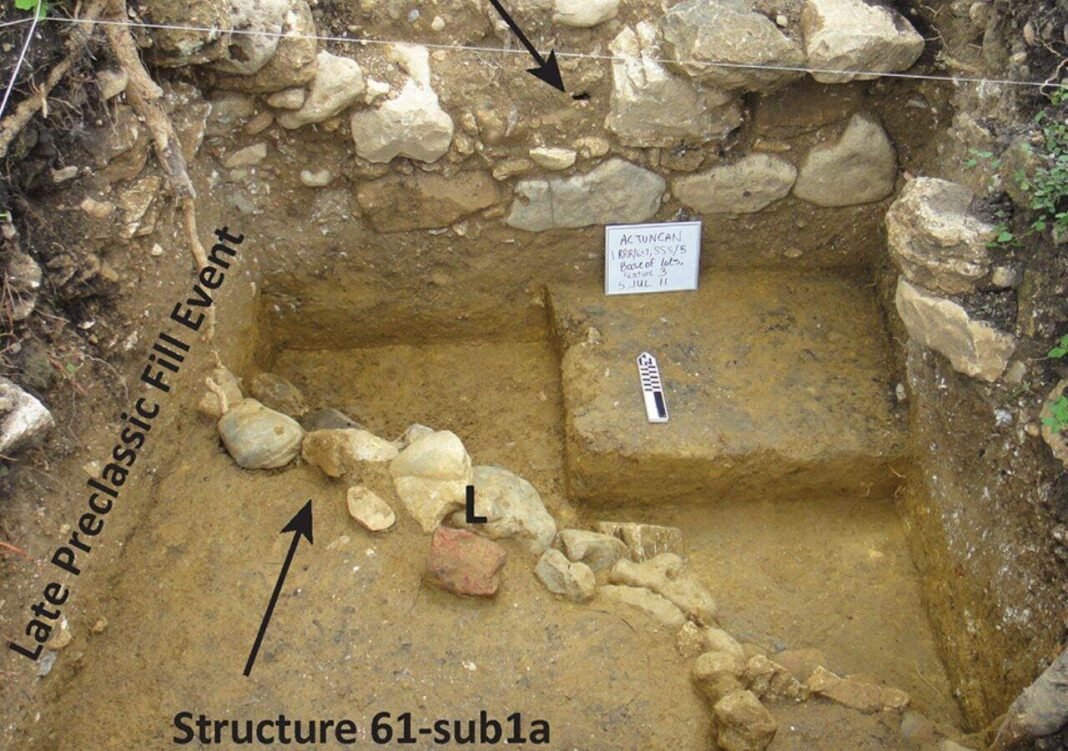
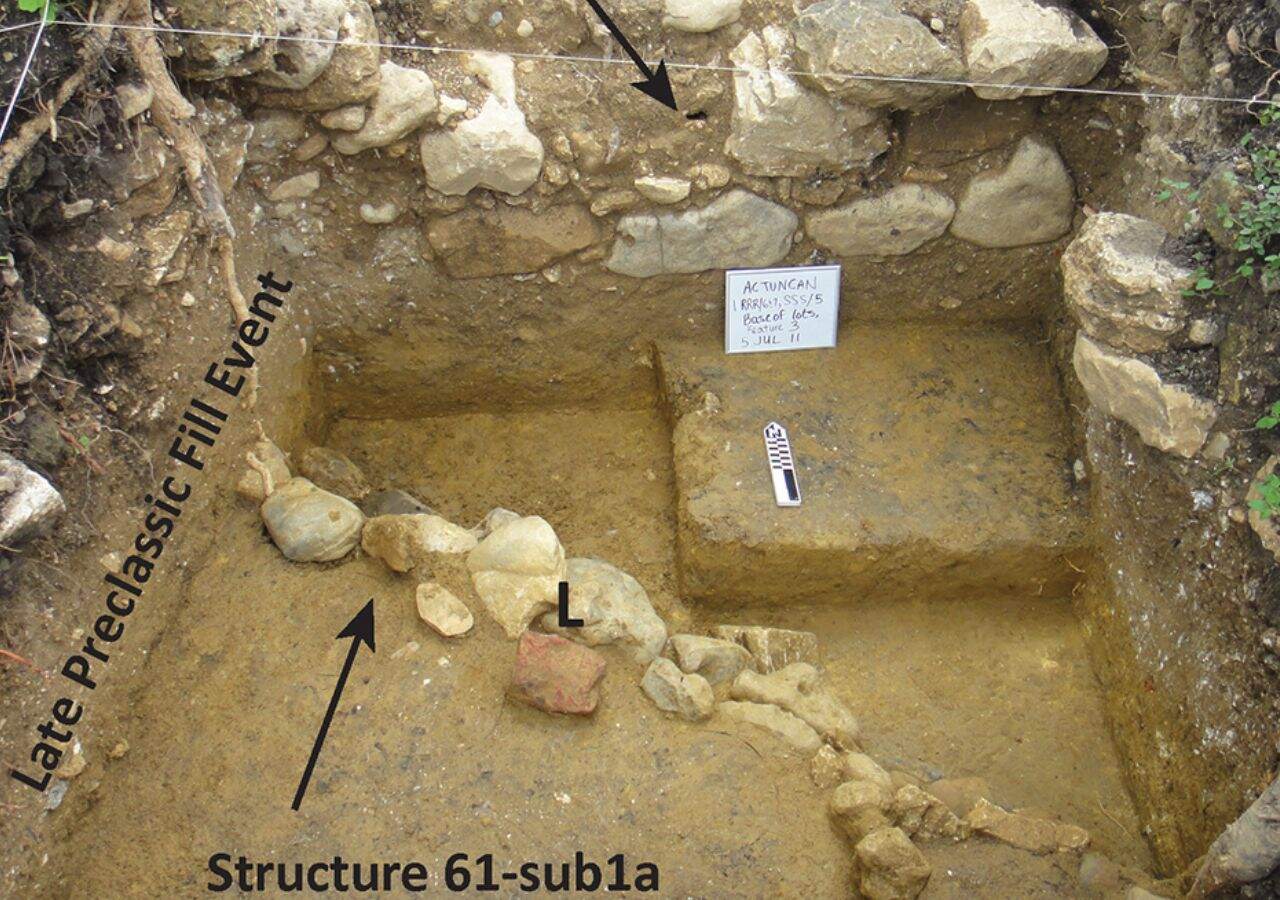
The study traces several key episodes at Actuncan. Around 300 BC, an entire early village was buried under a massive new platform during a rapid urban planning event.
Mixter links this to the concept of “root shock,” describing the psychological harm caused by displacement, and suggests that residents lost not just their homes but their entire community support networks.
During the Classic period, political rivals stripped resources from Actuncan. Elite residences were burned and demolished.
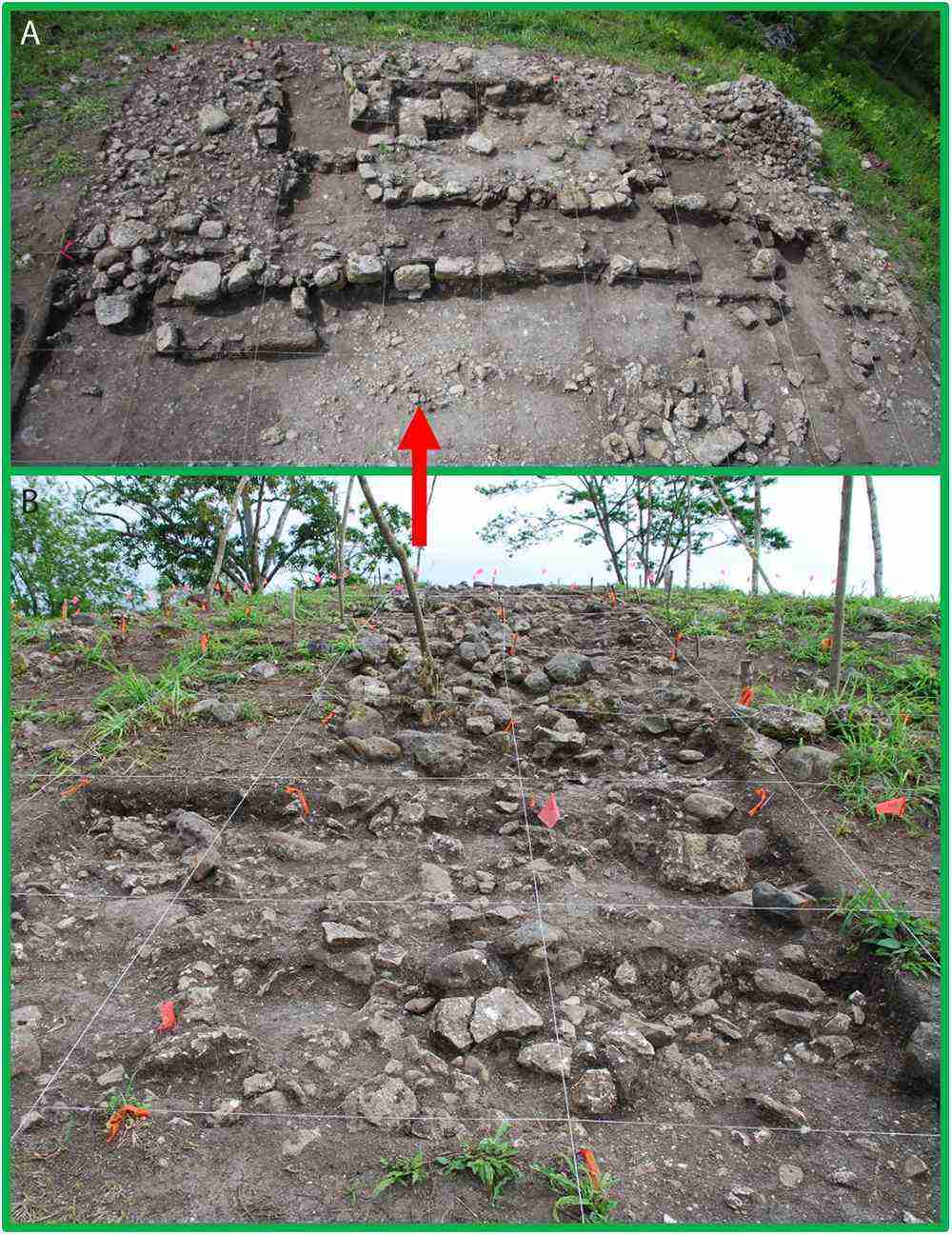
Fortifications were built that physically divided the site’s ceremonial E-Group, disrupting its solar alignment and its function as a community gathering place.
Limestone became scarce, and ordinary residents spent centuries living on dirt floors rather than the plastered surfaces typical of Maya households.
As the regional power Xunantunich rose, it claimed Actuncan’s ruins as ancestral heritage to legitimize its own authority.
Mixter argues this was an authorized heritage claim that froze Actuncan’s past into a static form for political gain, while the actual residents continued living in poverty within those ruins.
Ancient Maya communities lived among politically weaponized ruins
The most striking reversal came during the Terminal Classic period, roughly AD 780 to 900. As Xunantunich declined, Actuncan’s residents collapsed the roof of a foreign-installed ruler’s palace, filled its rooms with lime, and rebuilt their own ceremonial center. They reconstructed the site’s long-abandoned Triadic pyramid group.
Excavations revealed a large post hole at the summit containing obsidian blades, chert stones, and snail shells representing the Maya cosmos, evidence that the community had raised a World Tree and symbolically restored their world.
Mixter concludes that viewing ruins through the lens of modern heritage theory allows researchers to see past communities as politically aware people who actively negotiated their own history.