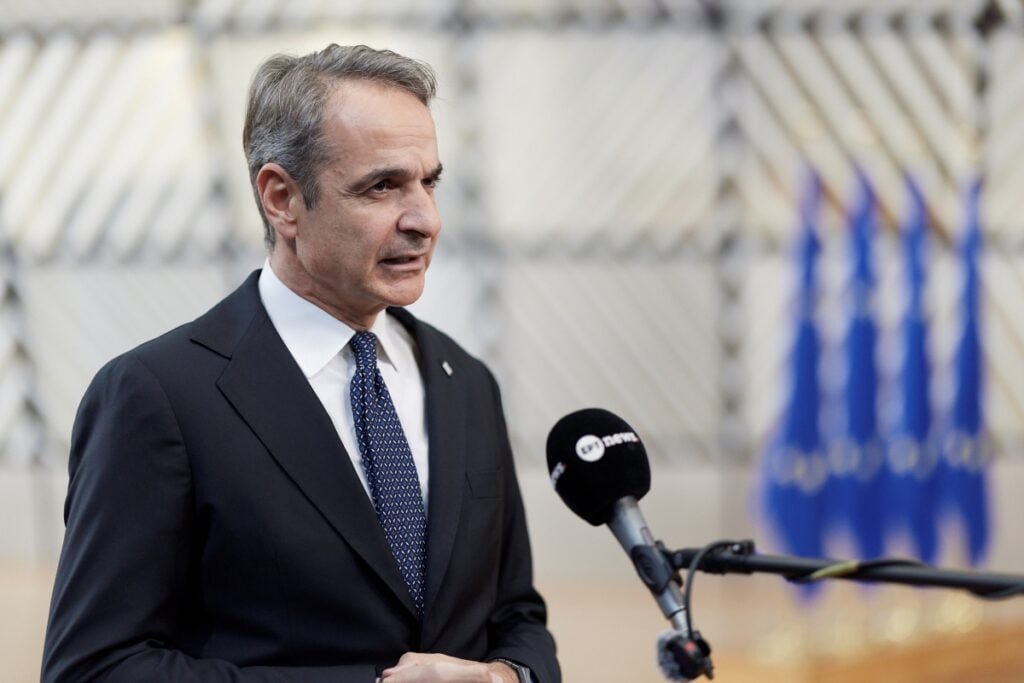
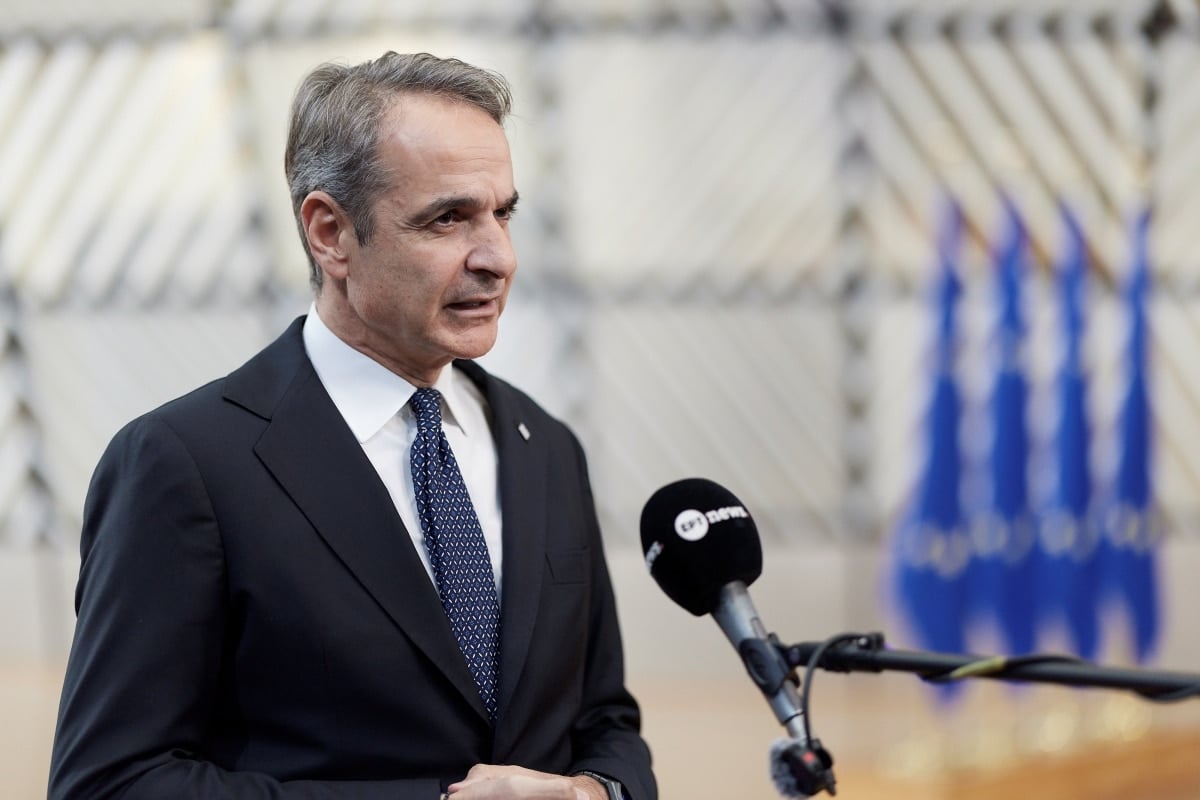
Greece is resisting cuts to European Union funding for regional development as leaders gather in Brussels for a two-day summit on the bloc’s 2028–2034 budget. Prime Minister Kyriakos Mitsotakis arrived with Athens prepared to seek a compromise, but Greek government sources said any agreement must preserve the EU’s ability to invest and support regions that lag behind wealthier parts of the bloc.
The talks come as governments weigh how much to spend on defense, security and industrial competitiveness while continuing to fund agriculture and regional development. European Council President António Costa circulated a revised proposal ahead of the summit and urged leaders to consider it in a “spirit of compromise.” The meeting is intended to narrow differences before leaders reconvene on December 17 and 18.
Athens defends funding for regional investment
Cohesion policy helps finance infrastructure and other investments intended to narrow economic gaps across the EU. Greece’s position puts it alongside governments defending that spending as pressure grows to direct more of the budget toward security and competitiveness. France and Italy are leading a group of countries pressing to protect funding for farmers and infrastructure in less prosperous regions. Farmers’ protests in Brussels added to the pressure on leaders as they opened talks.
Costa’s latest proposal totals nearly €1.6 trillion, including about €140 billion to repay pandemic-era borrowing, according to Reuters. Around €740 billion would go toward agricultural support and helping poorer regions catch up with wealthier ones. Those commitments are central to the dispute between governments seeking to limit their national contributions and those arguing that the EU needs enough funding to sustain existing programs while taking on new priorities.
Costa has proposed raising more revenue at EU level to ease the pressure on national budgets. The options include revenue linked to digital services, non-recycled electronic waste and the bloc’s emissions trading system. The seven-year spending plan requires unanimous approval from all 27 member states, giving each government a say over both the size of the budget and how the money is allocated.
Ukraine financing adds pressure ahead of December
Leaders are also discussing how to cover Ukraine’s financing needs in 2027. The European Commission has proposed up to €45 billion in additional support, building on the EU’s €90 billion loan for 2026 and 2027. The additional financing would draw on borrowing backed by the current EU budget, which runs through the end of 2027.
The two discussions have become linked. Slovakia, the Czech Republic, Hungary and Bulgaria oppose taking part in the proposed loan, while Germany and several other countries have made participation a condition of a broader budget deal.