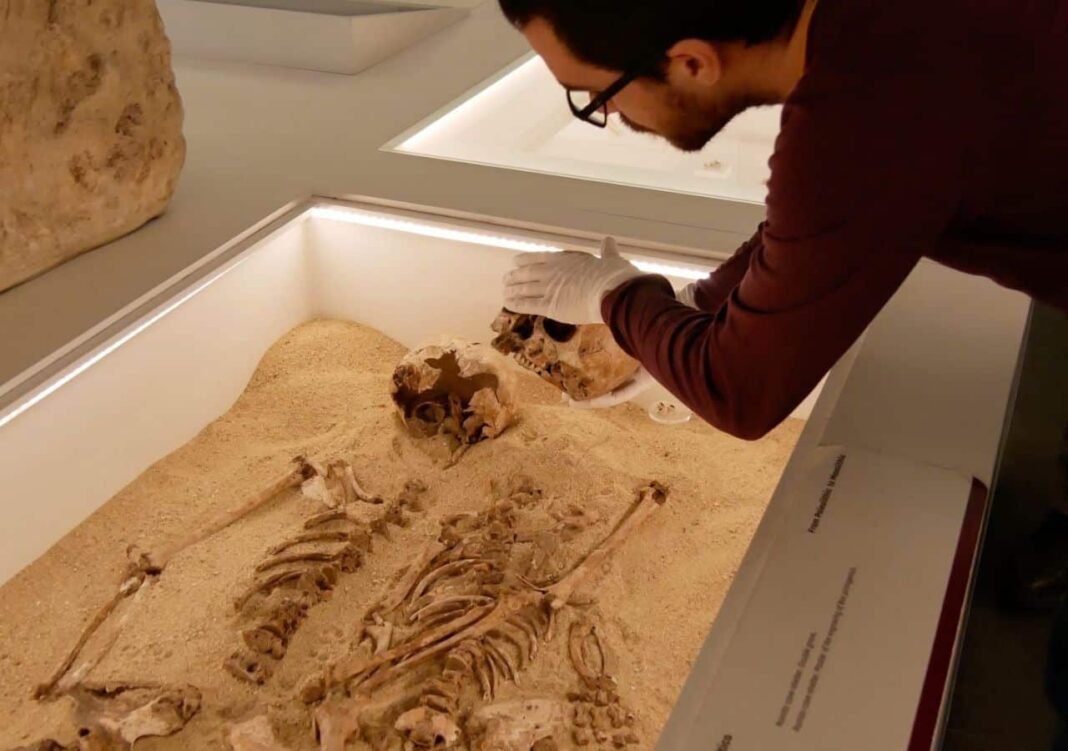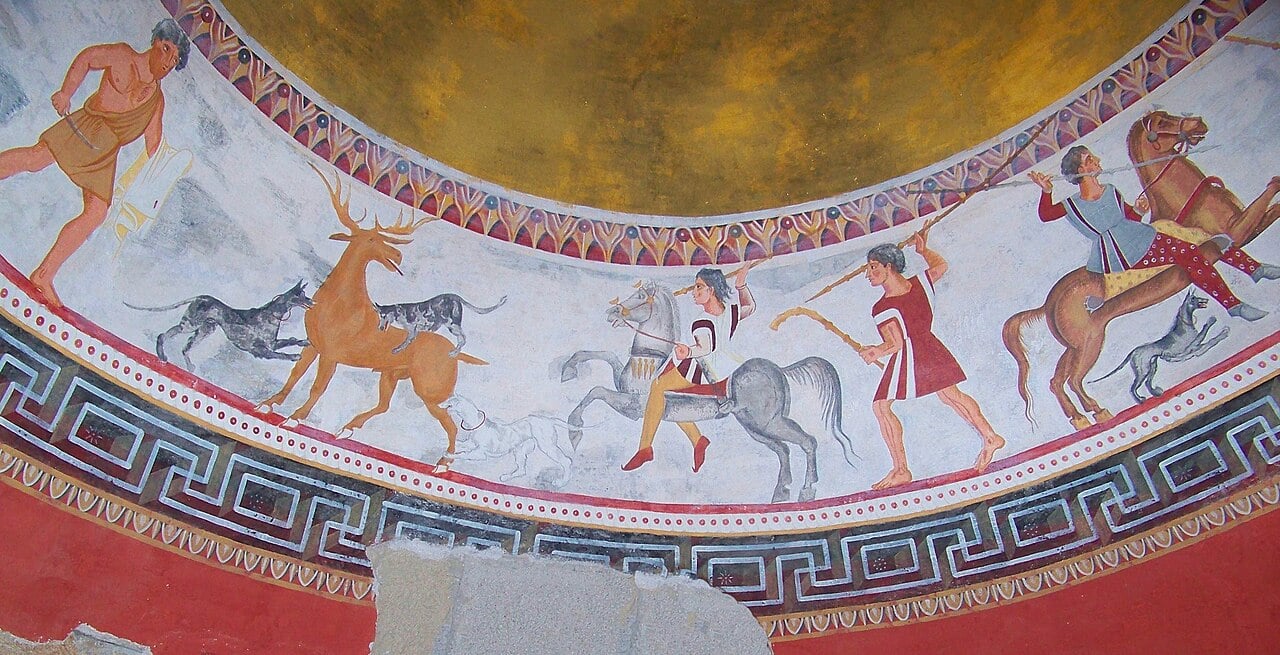
Researchers say ancient Thracians consumed dog meat about 2,500 years ago, not out of hunger, but as part of organized communal feasts that carried social and ritual meaning.
The practice dates to the Iron Age, roughly between the 5th and 1st century B.C., according to a new archaeological study. Evidence from multiple sites shows that dogs were deliberately butchered and prepared for food during shared gatherings. Archaeologists say these meals helped reinforce social bonds within Thracian communities.
Thracian customs differed sharply from modern views
In modern Europe, eating dog meat would provoke strong public opposition. Dogs are widely regarded as companions rather than livestock. Archaeological evidence, however, shows that attitudes were very different in antiquity among the Thracians, an ancient people who lived across what is now Bulgaria and northern Greece.
The study documents clear signs of dog consumption at five Thracian settlements. Cut marks, bone breakage, and burning patterns match food preparation rather than burial or waste disposal. Researchers say the consistency of these traces points to an established cultural practice.
Evidence found across multiple settlements
“The data show that this practice is not confined to a single Thracian state or tribe,” said archaeologist Stella Nikolova, the study’s lead author.
Across the sites examined, dog bones accounted for between 2% and 10% of all identified animal remains. Researchers say this proportion indicates repeated and intentional consumption over several centuries, not isolated events.
The trading hub shows the strongest signs of consumption
The largest concentration of dog remains came from Emporion Pistiros, one of Thrace’s major trading centers.
The settlement linked local Thracians with merchants from ancient Greece and served as a focal point for trade and large social gatherings. Excavations uncovered around 80,000 animal bones, hundreds of which belonged to dogs.
New research shows ancient Thracians consumed dog meat 2,500 years ago as part of ritual feasts. Cut marks, burning and bone patterns rule out famine as the cause. pic.twitter.com/PDkxE8JngE
— Tom Marvolo Riddle (@tom_riddle2025) January 29, 2026
Many of the dog bones showed standardized butchery marks, indicating systematic portioning of meat. Researchers say the scale and pattern suggest organized food preparation rather than sporadic consumption.
Not driven by hunger or poverty
The findings also rule out food scarcity as an explanation. The same sites contained abundant remains of cattle, sheep, and other livestock, which were the primary protein sources.
“Dog meat was not a necessity eaten out of poverty, as these sites are rich in livestock,” Nikolova said in comments to LiveScience. Dog bones with cut marks were found mixed with a wide range of food debris, which excludes famine or crisis as a cause.
Dogs likely served practical roles before consumption
Most of the dogs consumed were adults and roughly the size of modern German Shepherds. This contrasts with livestock remains, which often include younger animals.
Researchers say the age pattern suggests dogs were not raised for meat. Nikolova believes the animals were primarily kept as guard dogs to protect herds and settlements before being eaten later in life. “I don’t believe they were viewed as pets in the modern sense,” she said.
Some of the dog bones also showed signs of burning, which researchers interpret as evidence of cooking rather than disposal.
Practice may have extended beyond Thrace
A broader review of archaeological literature suggests dog consumption occurred more widely across the ancient Mediterranean. Nikolova believes similar practices may have existed beyond Thrace, including parts of ancient Greece and modern-day Romania, though more research is needed.
Changing attitudes toward dogs over time
Over time, European attitudes toward dogs shifted. Burial of dogs became more common, pointing to a growing symbolic or emotional value placed on the animals. When this transition occurred remains unclear and likely varied by region. The Thracian evidence captures a period before this shift became widespread.