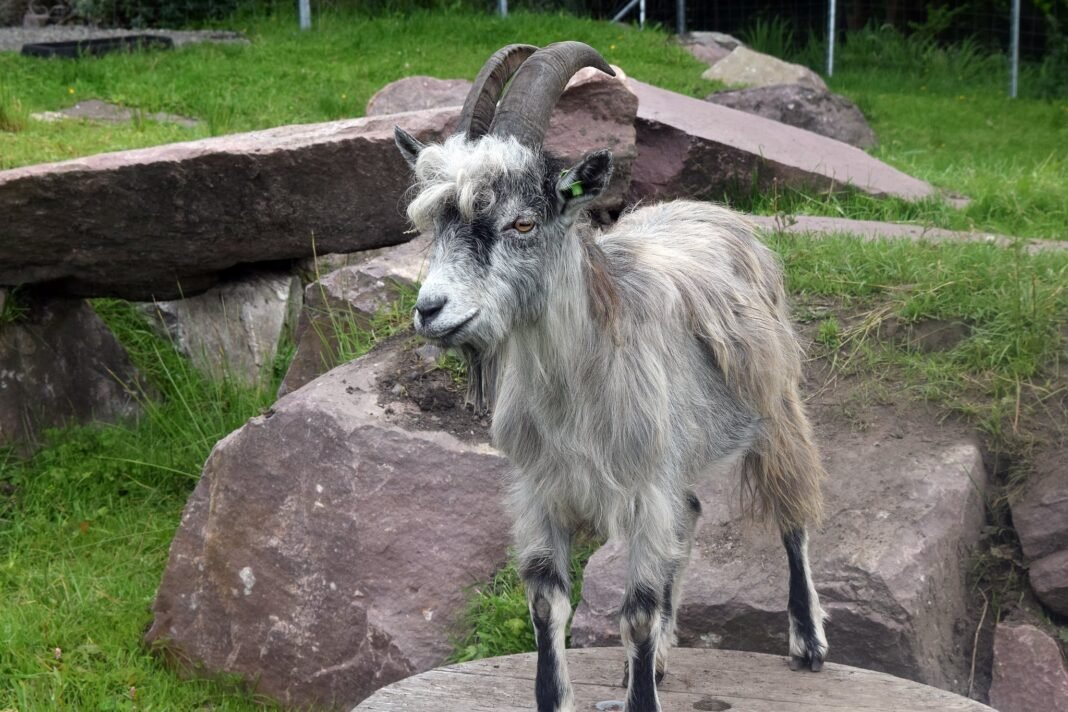
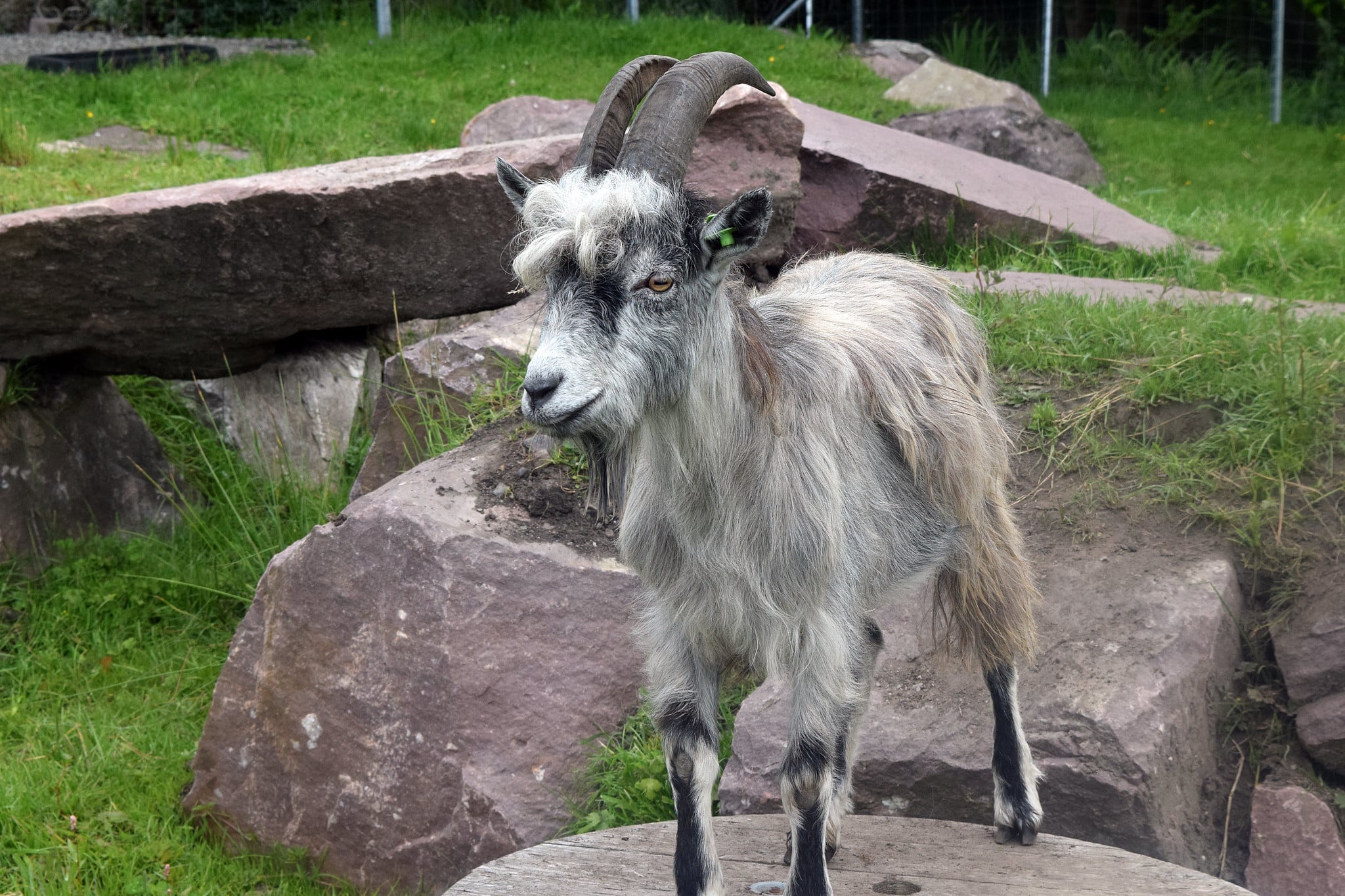
Scientists studying ancient animal bones in Northern Ireland say they have traced an old Irish goat breed back more than 3,000 years, linking today’s rare “Irish goat” to goats kept during the Late Bronze Age.
The research, led by Judith Findlater of Queen’s University Belfast, analyzed goat remains from Haughey’s Fort in County Armagh and the medieval port town of Carrickfergus in County Antrim.
The team combined traditional bone analysis with protein testing and ancient DNA to confirm the animals were goats, not sheep. That mix matters because goat and sheep bones often look so similar that archaeologists have struggled for decades to tell them apart.
The oldest key sample came from Haughey’s Fort, a large hill fort site dated to about 1100 to 900 B.C. Radiocarbon dating placed one goat bone between 1112 and 947 B.C. The researchers say that makes it the oldest confirmed goat remains identified in Ireland so far.
Bronze Age Evidence Connects to the Old Irish Goat Breed
Genetic data from that Bronze Age goat showed a long-running link to goats living in Ireland today. When the team compared ancient genomes with a large dataset of modern goat breeds, the ancient Irish goat shared its strongest genetic ties with the modern Old Irish Goat.
The study says this points to “substantial population continuity,” meaning Irish goat herds likely persisted through major changes in society over millennia.
The medieval goats added a second layer to the story. Bones from Carrickfergus dated from the late medieval period into the early modern era. One specimen was dated between 1477 and 1635 A.D. Genetic testing suggested that those goats also clustered closely with the modern Old Irish Goat and with a Bronze Age goat previously sampled in Britain.
The team also used genetic signals to determine the animals’ sex. All Carrickfergus goats tested were female, while the Haughey’s Fort goats were male. Researchers said that split may reflect different ways people used goats at different places and times, though the study did not claim a single explanation.
Medieval herds show signs of mixed use and breeding
Ancient DNA also revealed contrasts within the Carrickfergus group. One medieval goat showed signs of recent inbreeding, while another did not. The researchers said the difference could mean animals came from different herds, or that breeding practices varied over time in a busy port town.
Findlater and colleagues cautioned that the sample size remains small. Still, they said the results show how combining archaeology with biomolecular tools can correct old uncertainties and bring new detail to everyday life in the past.
The study was published in the Journal of Archaeological Science.