A new study suggests that Greece’s Antikythera wreck site may hold the remains of at least two ancient ships rather than one. Researchers identified separate concentrations of ship parts and cargo dating to the first century B.C. The findings provide new evidence about what happened off the Greek island more than 2,000 years ago.
The research, led by Isaac Ogloblin Ramirez and published in the International Journal of Nautical Archaeology, combines underwater excavations, historical records, and laboratory analysis. It examines how ancient vessels sank and how natural forces changed their remains over centuries.
Evidence points to more than one ancient ship
Researchers examined two areas along Antikythera’s northeastern coast. Area A, where most earlier discoveries were made, covers about 740 square meters (approx. 7,970 square feet). Area B lies approximately 200 meters southeast and covers around 770 square meters (approx. 8,288 square feet).
Both locations contain similar ancient pottery, including transport jars known as amphorae. Archaeologists also found wooden fragments, bronze nails, and anchor parts in Area B. The separate concentrations suggest that another vessel may have sunk nearby during the same period. Earlier excavations had already raised the possibility of a second shipwreck.
Could Greece’s famous Antikythera shipwreck actually be two ancient ships?
A new study reveals separate concentrations of ship remains and cargo, raising questions about a maritime disaster more than 2,000 years ago. pic.twitter.com/cZuMx6KIDT— Tom Marvolo Riddle (@tom_riddle2025) November 23, 2026
Researchers also examined wooden planks recovered during different excavations in Area A. Planks collected in 1976 measured up to 11 centimeters (4.3 inches) thick, while those discovered in 2024 measured no more than 5.72 centimeters (2.25 inches). The remains showed differences in how the planks were joined. However, researchers noted that plank thickness can vary within a single vessel.
The study considers three explanations. Several merchant ships may have traveled together and sunk during the same event. Unrelated vessels carrying similar cargoes may also have wrecked around the same period. Another possibility is that one large ship broke apart, scattering its remains across the seabed. Researchers have not yet determined which explanation best fits the evidence.

Earthquakes and sediments shaped the wreck site
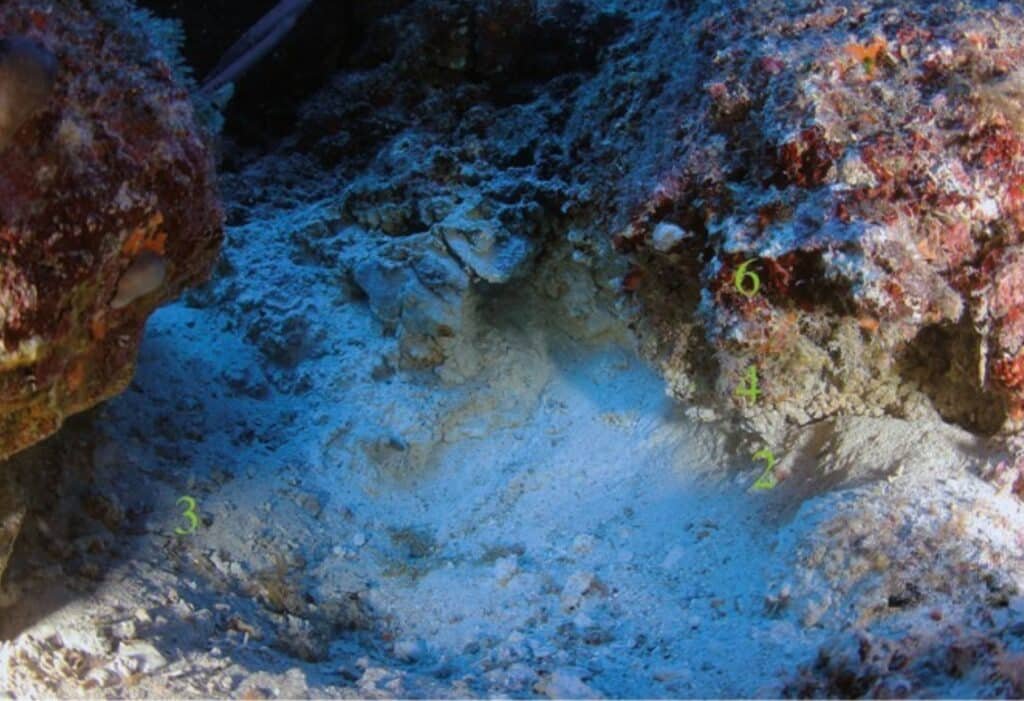
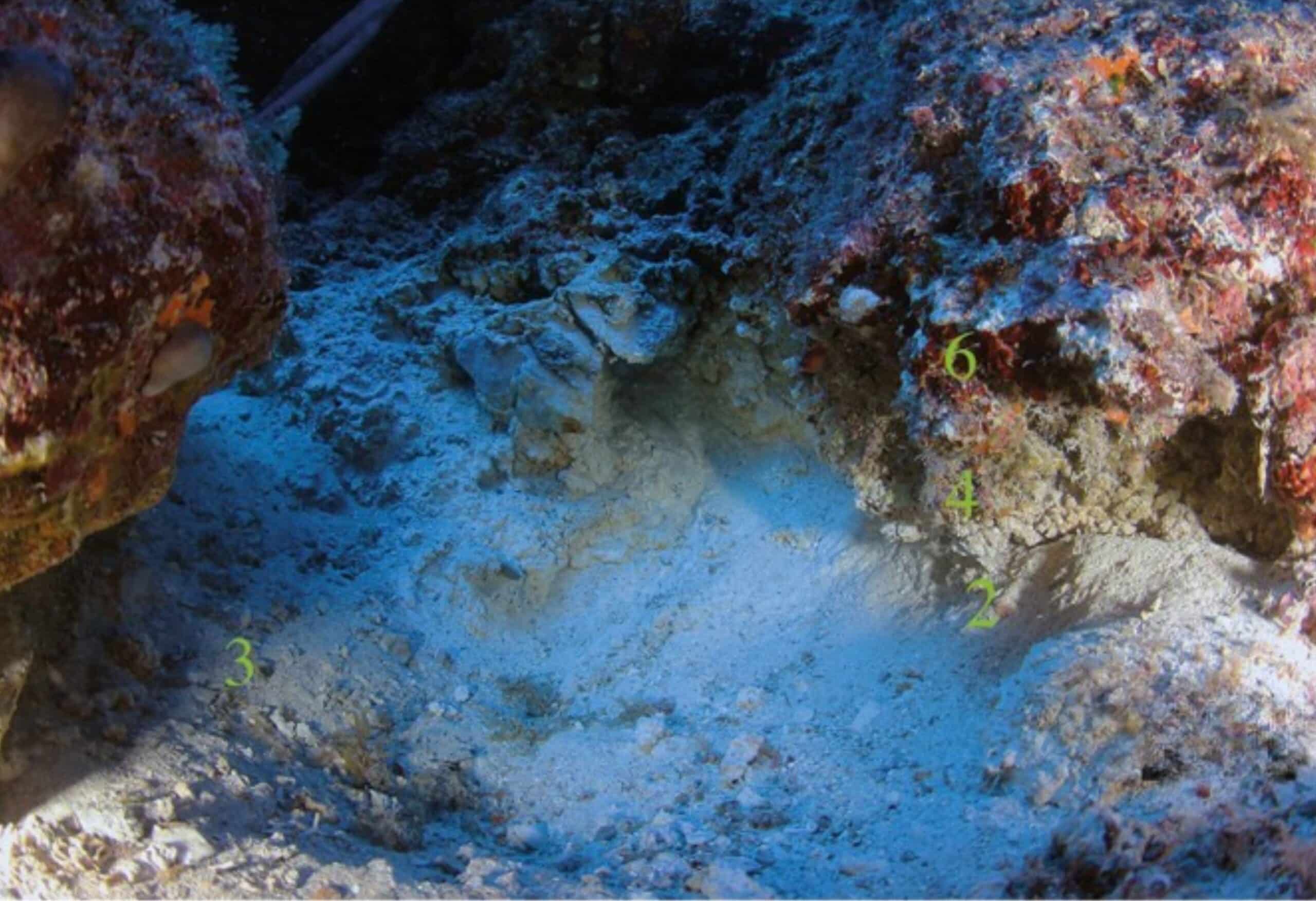
The study also examined how natural forces affected the remains after they reached the seabed. Researchers analyzed 81 sediment samples and identified seven distinct layers. Some contained ancient objects trapped inside hardened deposits. Laboratory tests showed evidence that aragonite, a mineral found in marine environments, had transformed into calcite. This change helped harden sediments around archaeological remains.
The hardened layers protected some wooden objects, human bones, and marble sculptures from damage. Researchers suggest that groundwater, earthquakes, and possibly bacterial activity contributed to the process. However, the exact causes remain under investigation.
Storms and earthquakes also caused rocks to fall from nearby slopes. Some boulders covered ancient objects, while marine organisms damaged exposed surfaces. These conditions help explain why certain sculptures survived in better condition than others. In 2022, archaeologists recovered a marble head believed to belong to a statue of Heracles.
Further excavations could reveal more remains

Greek sponge divers discovered the Antikythera wreck in 1900. Later expeditions, including Jacques Cousteau’s work in 1976, recovered sculptures, pottery and other valuable objects. The most famous discovery was the Antikythera Mechanism, an ancient device used to calculate astronomical movements. Recent underwater excavations have also recovered wooden ship parts, statue fragments and pottery.
The study suggests that additional archaeological material may remain buried beneath sediment layers reaching about one meter thick in some locations. Only a small portion of the site has undergone detailed geological investigation. Further analysis of wooden remains and buried deposits could help establish whether the evidence represents separate ships or one vessel that broke apart. The findings could also reveal more about ancient Mediterranean trade and the movement of valuable goods across the region.