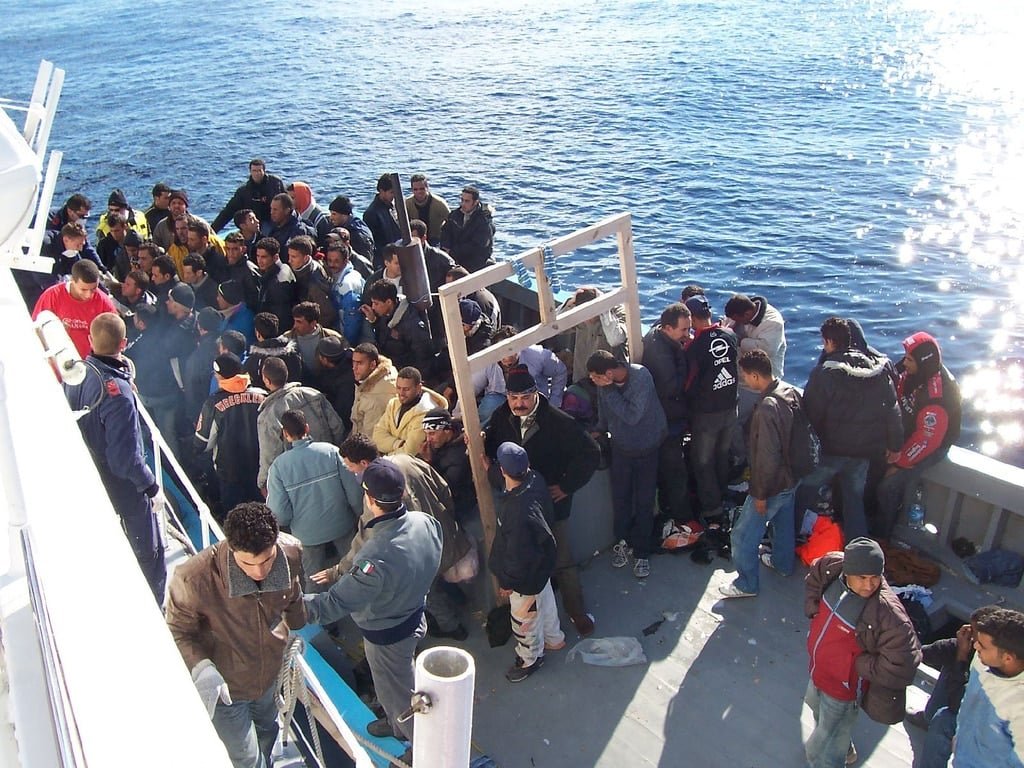
At least 22 people were found dead over the past three days along a major migration route while attempting to reach Greece from North Africa, with the Greek coast guard recovering 13 bodies from a boat south of Crete on Monday, November 9, 2026.
Authorities found eight more bodies in a separate vessel over the weekend. These fatalities mark the latest casualties along the increasingly busy maritime transit route from Libya to southern Greece.
Furthermore, emergency crews rescued more than 180 other people on Monday morning from three separate vessels crossing the Mediterranean. The European Union’s border agency Frontex originally spotted those vessels before launching the rescue operations.
Recovering casualties South of the Cretan coast
The International Organization for Migration (IOM) warns that rising arrivals on this specific route heighten major humanitarian concerns.
In Monday’s incident, a passing Moroccan-flagged cargo ship picked up 18 survivors from a distressed boat. Crew members discovered 13 bodies—consisting of 12 men and one woman—aboard that same vessel.
One rescued individual later died at a local health center on Crete. Medical teams transported three other survivors, including a minor, to an island hospital. Officials possess no immediate information regarding the identities, nationalities, or specific causes of death for those on board.
Battling severe maritime weather conditions
The coast guard recorded another fatal incident on Saturday night involving a vessel carrying 28 Sudanese nationals. Bad weather caused the boat to experience severe operational trouble six nautical miles south of Crete. Rescuers recovered eight bodies from the water, while two people remain missing.
Greece remains a primary entry point into the European Union for individuals fleeing regional conflicts and economic poverty. Thousands of people choose the long sea crossing from Libya directly to Crete. Conversely, others choose the shorter route from the Turkish coast to nearby eastern Aegean islands.
Shifting volumes along Eastern Mediterranean corridors
Frontex confirmed that the eastern Mediterranean represents the busiest overall route for irregular entries into the European Union. However, total irregular border crossings into the trading bloc fell by one-third during the current year. Authorities recorded approximately 31,800 crossings during the first three quarters of 2026.
This figure represents a 15 percent decline compared to the exact same period last year. The maritime corridor from Libya to Crete remains the single busiest section on this migration route. This southern crossing now sees more traffic than the eastern Aegean islands or the Turkish land border.