Three meta-Byzantine churches in Evros, Thrace, northeastern Greece, have been restored by the Greek Ministry of Culture, through a project funded by the Recovery and Resilience Fund and executed by the Ephorate of Antiquities of Evros and the Directorate for the Conservation of Ancient and Modern Monuments.
Upon the works completion, the Churches of Saint Panteleimon of Paliouri, Saint Athanasios of Metaxades and Saint Athanasios of Alepochori, were recently delivered to their local communities by the Minister of Culture, Lina Mendoni.
The Minister visited two additional monuments of the meta-Byzantine era – one church and one mosque – which are also currently under restoration in the Evros region.
Acknowledging that the country’s greatest and most iconic monuments often enjoy the biggest effort from cultural services, Lina Mendoni said it is equally important that the state cares “for smaller monuments, which are inextricably linked to the historical path and collective memory of local societies.”
One million euro to restore three meta-Byzantine churches
The three churches date back to the late 17th and early 18th centuries and are located in the northwestern part of the Evros Regional Unit, near the borders of Greece and Bulgaria, in the wider area of Erythropotamos.
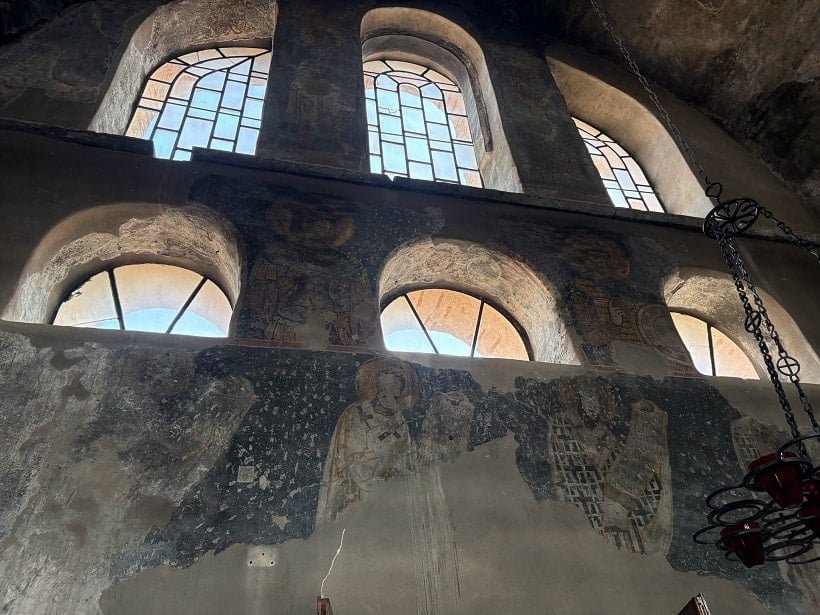
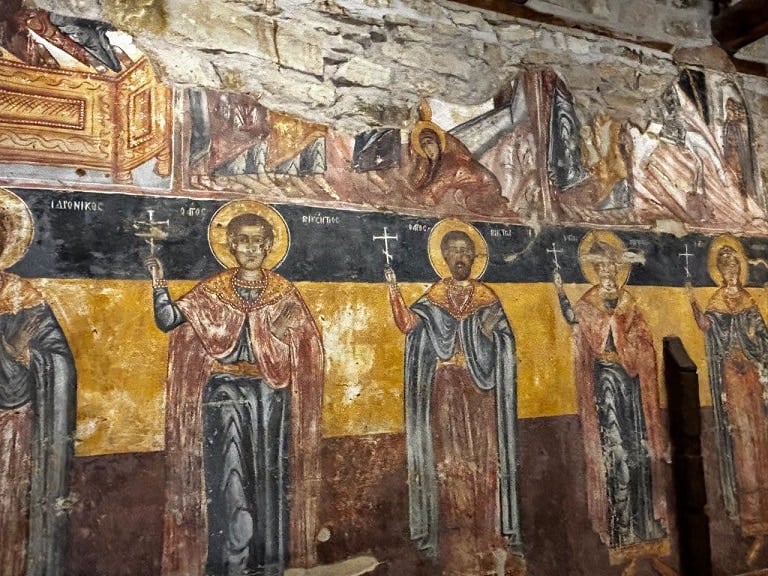
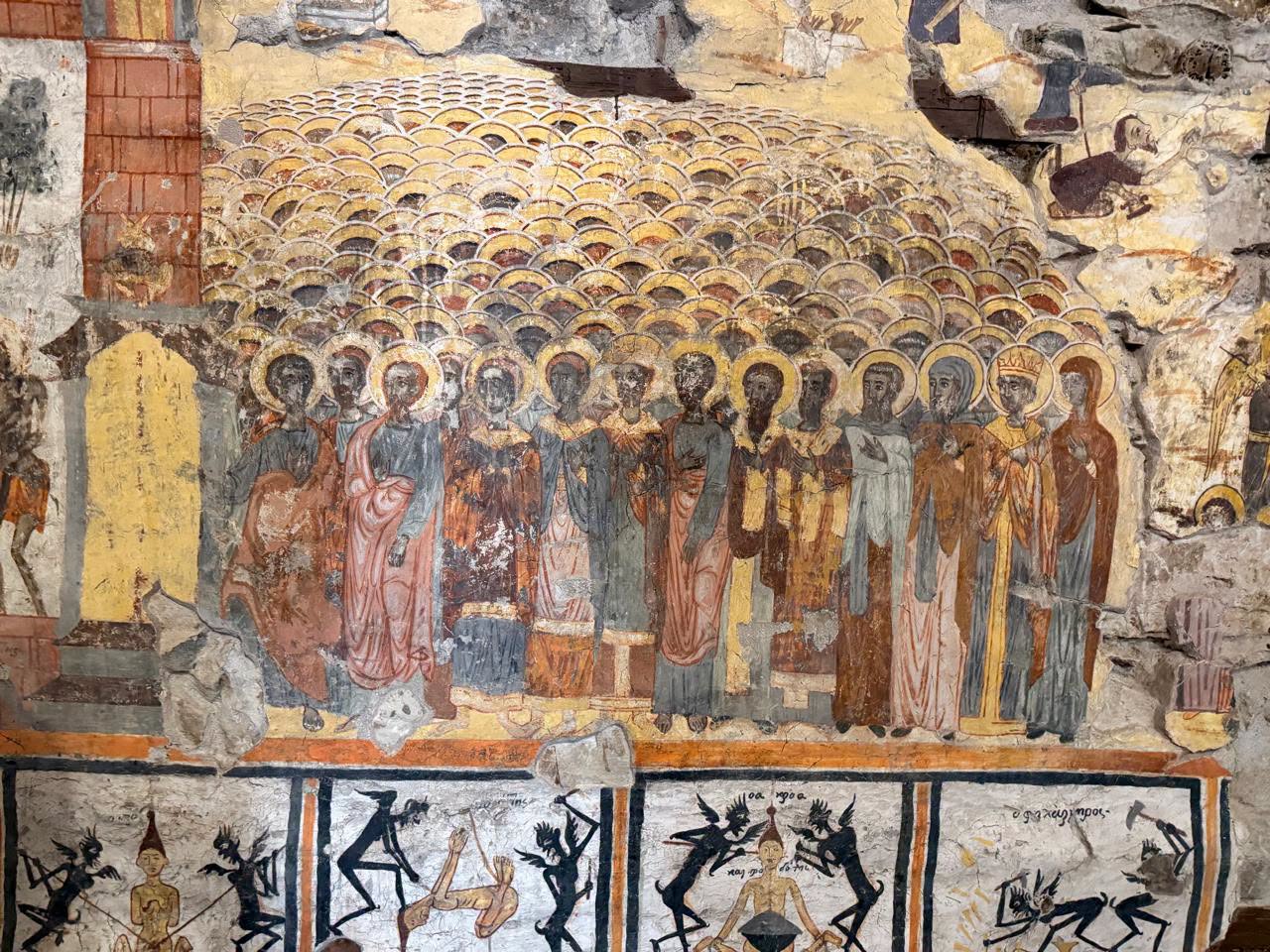
They are characteristic examples of a single-aisled, wooden-roofed basilica, with simple external architecture and remarkable internal fresco decoration.
Beyond their architectural and artistic value, the monuments bear important testimony to the historical presence and religious life of the Christian populations in the region. Their importance is complemented by the characteristic epitaphs of the 17th, 18th and 19th centuries, preserved in the cemeteries of Metaxades and Alepochori.
The restoration project cost one million euro for the three churches.
The works included the fixing and maintenance of the walls, the construction of drainage pipes, the repair of the roofs and the replacement of tiles and door leaves. New electrical networks and lighting, a water supply system and an automatic fire protection system were then installed, connected to the Municipality’s network.
Particular care was taken to maintain and highlight the important fresco decorations and the wooden iconostases.
Restoration underway for two more Evros monuments
One more church of the meta-Byzantine era is currently under restoration in Evros.
The Panayia Cosmosoteira in Feres is one of the most important Byzantine monuments of Thrace, founded in 1151 by Isaac Komnenos.
The monument protection project will start from structural and geotechnical studies, a geophysical survey of the surrounding area, to be followed by the architectural study of the restoration of the monument and the study of the configuration of the surrounding area, as well as the necessary supporting studies for the electromechanical installations and the conservation of the fresco decoration.
On the other hand, restoration works are advancing at the Bayezid Mosque in Didymoteicho, one of the most important monuments built on the European territories of the Ottoman Empire.
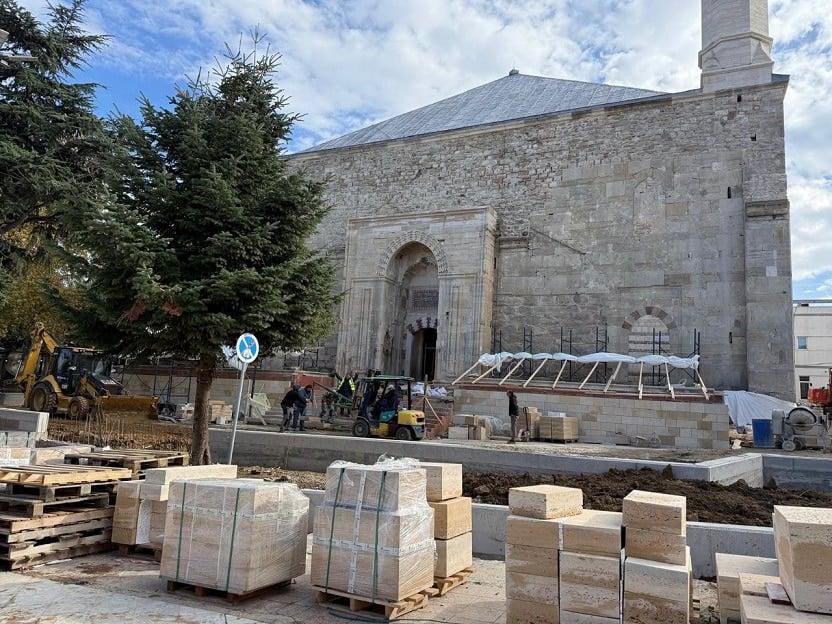
The construction of the wood-carved ceiling of the central dome, which consists of 7,000 individual wooden elements and reproduces its original form, is in the final phase as the monument is expected to reopen to the public by the end of 2026.
The project, with a total budget of 15,000,000 euros, is financed by the Recovery and Resilience Fund, the National Development Program and the Regular Budget of the Ministry of Culture.