Researchers have identified some of the earliest known domestic dogs in central Turkey, dating back about 15,800 years. These findings in Anatolia and England show that the dogs were buried in ways similar to those of humans, pointing to a close, early bond between the two species.
The study was led by the University of Liverpool and the British Institute at Ankara and published in Nature.
Early dogs buried alongside humans
The evidence comes from the site of Pınarbaşı in central Anatolia. Researchers found that a mobile human group used the rockshelter repeatedly and buried their dead there. Among the burials were puppies. Ancient DNA confirmed these animals were domestic dogs, making them the earliest dogs directly identified through nuclear DNA.
Professor Douglas Baird said the findings show that dogs were not just present but closely connected to human life. Isotope analysis revealed that the dogs ate fish, a key part of the human diet at the time.
The burial practices provide further insight. Dogs were placed in the same area as humans and treated similarly. Researchers said this suggests the animals held social and symbolic importance within these early communities.
DNA traces early spread across regions
The study also sheds light on how dogs spread across regions. Ancient DNA analysis by teams from the Natural History Museum, the University of Oxford, and LMU Munich shows that dogs from Pınarbaşı date to around 15,800 years ago. By about 14,000 years ago, dogs were already found across Europe and Anatolia.
Researchers examined remains from Gough’s Cave and found strong genetic similarities with dogs from Pınarbaşı. This suggests that a single lineage spread quickly across large distances.
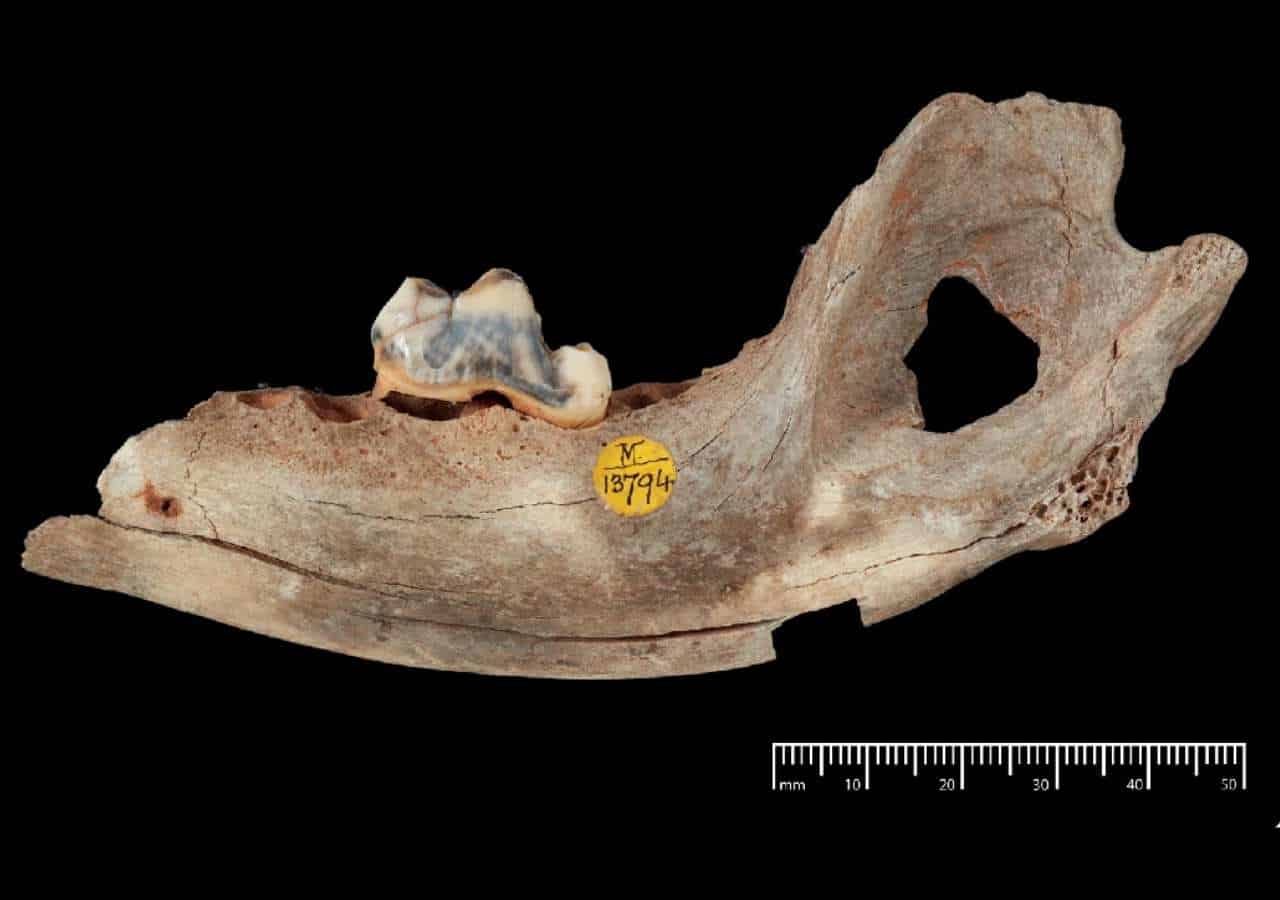
Dr. William Marsh of the Natural History Museum said the genetic evidence allowed researchers to identify related dogs at sites in Germany, Italy, and Switzerland. The findings confirm that dogs were already widespread much earlier than previously understood.
Farming communities deepened the bond
A second study led by the Francis Crick Institute identified domestic dogs at Boncuklu, a nearby site dated to about 9000 BC. By this time, people had begun to live in permanent settlements and adopt early farming.
At Boncuklu, some dogs were buried directly with humans. Researchers said this reflects an even deeper relationship. These animals likely helped with hunting and guarding, and may also have played a role in early sheep herding.
The study shows that early farmers later carried Anatolian dogs into Europe as they migrated west. These dogs mixed with local populations, highlighting their importance across different cultures. Researchers said the findings show that dogs were not only companions but also key partners in human life and movement.