December 1st is designated by the World Health Organization (WHO) as World AIDS Day, providing an annual opportunity to raise public awareness and provide information about HIV, its transmission, prevention, diagnosis, and treatment.
The HIV/AIDS situation in Greece (2025 Data)
In Greece, several hundred citizens are still newly infected with HIV each year. Despite its reduced lethality—as it is now largely treated as a chronic disease with effective therapy—it remains a public health threat.
According to data from the National Public Health Organization (EODY), while new HIV diagnoses remain at levels similar to the previous year, more than half of the people diagnosed in 2025 entered the healthcare system late. This highlights the critical need for continuous information, early testing, and seamless access to treatment.
Key Epidemiological Data (as of October 31, 2025):
- Total Cases: 21,815 HIV infections have been diagnosed and recorded in Greece.
- AIDS Cases: Of these, 4,795 have progressed to AIDS.
- Deaths: 3,721 people have died.
- Treatment: 11,549 people with HIV infection received antiretroviral therapy (ART) in 2025.
- New Diagnoses (2025): New HIV diagnoses were similar to the previous year (526 cases, corresponding to 5.1 per 100,000 population).
Major reforms and national strategy in Greece
In collaboration with all relevant bodies and scientific authorities, the Ministry of Health has implemented a series of initiatives and actions in 2025 aimed at early diagnosis and uninterrupted access to HIV treatment across the country.
National HIV Action Plan: The “National Action Plan for HIV” (2025) was completed, following a programmatic agreement signed in March 2024 between the Ministry of Health and the scientific leadership (including the National Reference Centre for Retroviruses at the National and Kapodistrian University of Athens).
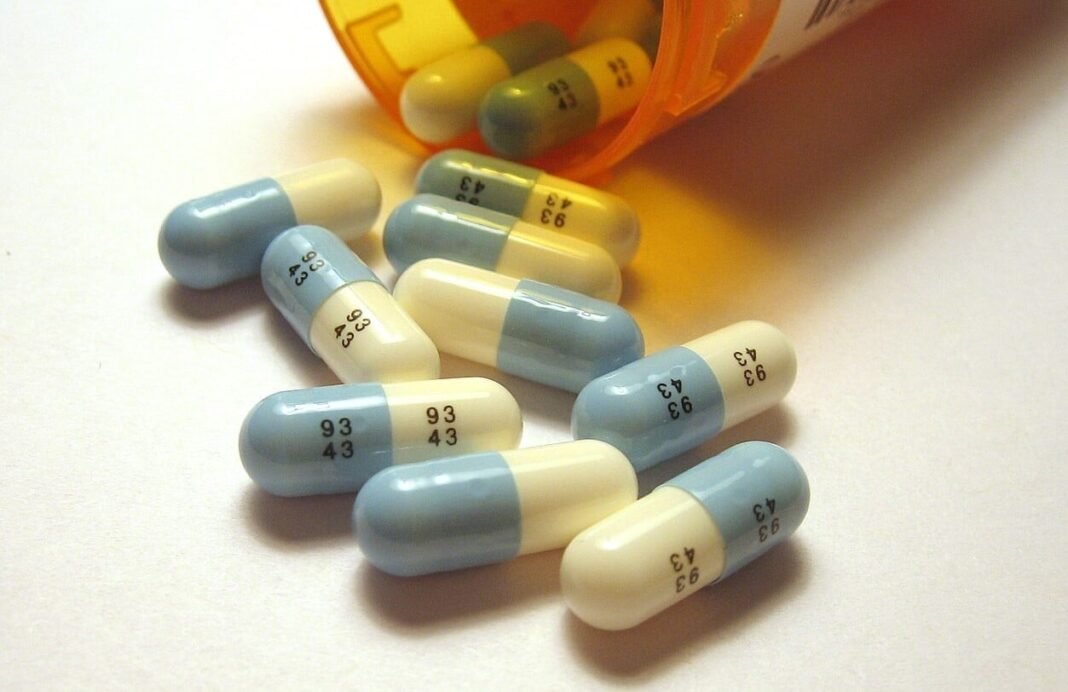
Launch of PrEP (Pre-Exposure Prophylaxis): PrEP implementation began in Greece in May 2025, an initiative of the Ministry of Health. It is prescribed for HIV-negative individuals belonging to high-risk groups. It is dispensed with a prescription through specific hospital pharmacies.
Establishment of AIDS Reference Centers: Specialized AIDS Reference Centers were institutionalized, and a Network of Reference Centers was established with stable funding. This ensures consistent monitoring of patients and the epidemic.
EODY Community Actions: The National Public Health Organization (EODY) continuously implements community-based actions focused on information, prevention, and the distribution of educational materials.
Gkikas Magiorkinis, Associate Professor of Hygiene and Epidemiology (EKPA) and Scientific Director of the National Reference Centre for Retroviruses, highlighted the scale of the reforms:
“The year 2025 saw the most significant reforms that have occurred in Greece in the last 15 years in addressing the AIDS pandemic. Firstly, access to PrEP… was institutionalized… Secondly, the laboratory surveillance of the virus was upgraded with the establishment of high-standard AIDS Reference Centers, and a stable funding framework was secured… to achieve the goals set by the World Health Organization for epidemic control by 2030.”
Related: AI Tools to Create Smart Entry to Greece’s National Health System