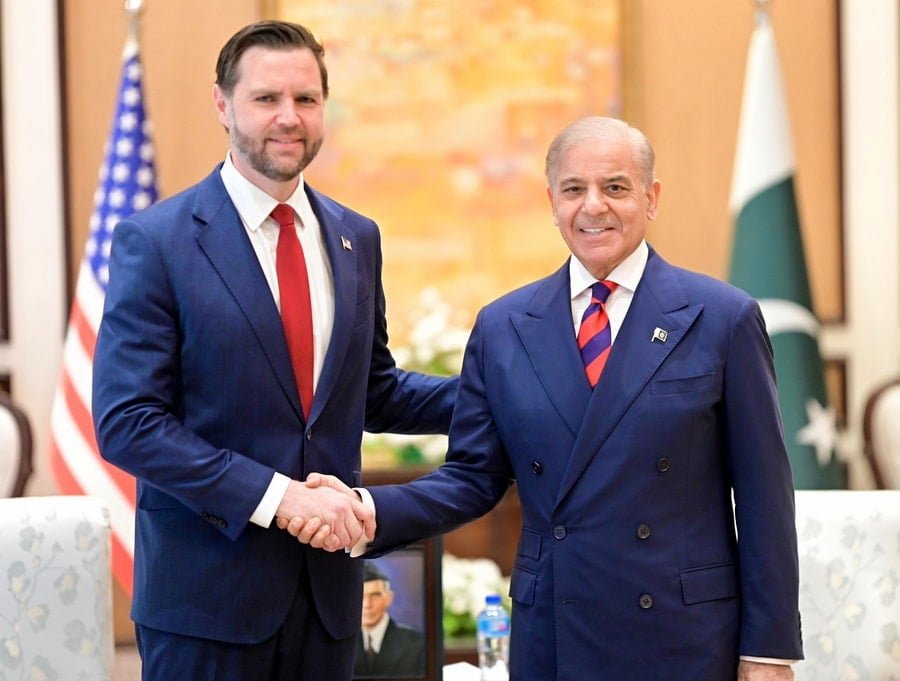
Diplomatic delegations from the United States and Iran are convening in the Pakistani capital Islamabad on Saturday to initiate high-level peace negotiations aimed at ending the ongoing conflict in the Persian Gulf.
The talks, which began on Orthodox Holy Saturday, April 11, have placed Islamabad under a massive security grip, with local reports describing the city as nearly deserted due to the stringent safety protocols in place.
The American delegation is led by US Vice President JD Vance, while the Iranian side is represented by the Speaker of the Iranian Parliament, Mohammad Bagher Ghalibaf, and Foreign Minister Abbas Araghchi. The meeting is a critical attempt to de-escalate a regional war that has severely impacted international maritime security and global energy markets.
Escalation in the Strait of Hormuz amid US-Iran talks
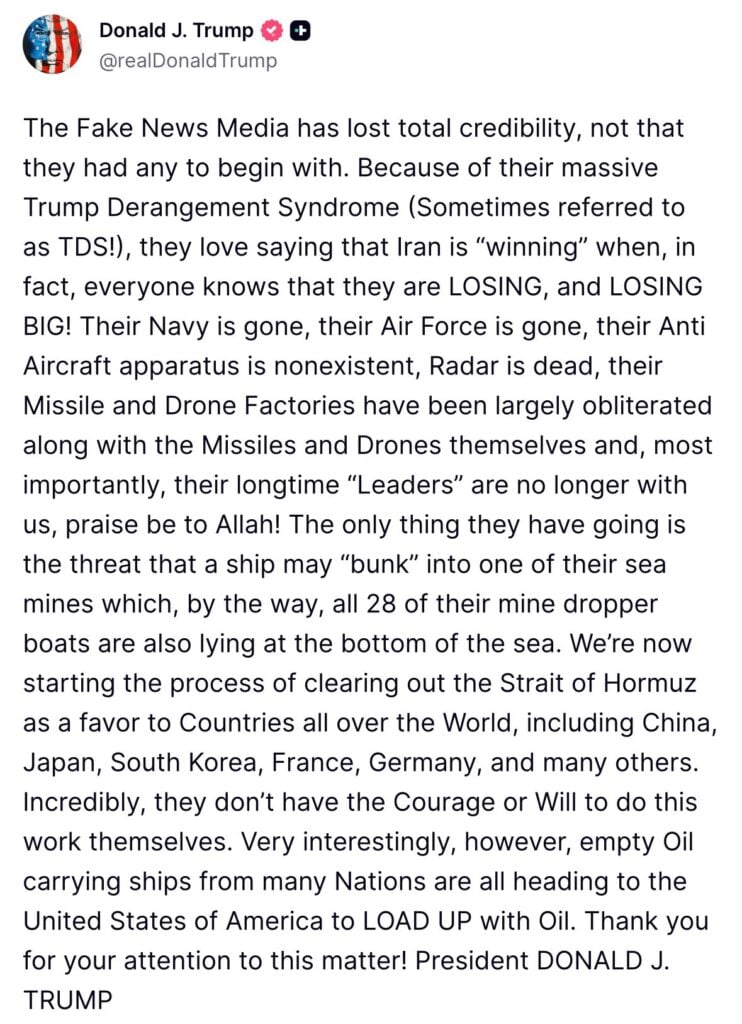
Despite the commencement of diplomatic dialogue, military tensions remain at a breaking point. US President Donald Trump announced via social media that American forces have initiated a “clearing” operation in the Strait of Hormuz. According to the President, the US military has successfully sunk Iranian mine-laying vessels to ensure the waterway remains open.
“We are opening the Gulf—or the Strait, as they call it—with them or without them,” President Trump stated, referring to the Iranian leadership.
Adding to the delicate situation, US officials confirmed that several Navy vessels crossed the Strait of Hormuz on Saturday without any prior coordination with Tehran. This maneuver represents the first time such a crossing has occurred without communication since the outbreak of hostilities in the Middle East.
The international community is watching the developments in Pakistan with a mix of hope and caution. French President Emmanuel Macron revealed he is in close contact with Saudi Crown Prince Mohammed bin Salman regarding the situation. Following a recent discussion, both leaders emphasized the urgent need to restore safe navigation in the Gulf.
“I reiterated my support for a ceasefire, which must be fully respected and extended without delay to Lebanon,” Macron shared on social media. He added that France and Saudi Arabia would maintain a direct line of communication to contribute to the de-escalation process and ensure a lasting peace agreement.
The negotiations in Islamabad are structured as a trilateral process involving Pakistani officials, though it remains unclear if the US and Iranian representatives are meeting in the same room. Sources indicate that Pakistani Prime Minister Shehbaz Sharif is playing a central role in facilitating the exchange, as deep-seated distrust between Washington and Tehran persists.
While the Islamabad talks focus on the Persian Gulf, a separate diplomatic track is scheduled for Tuesday in Washington, where officials will meet to discuss the conflict between Israel and Lebanon.