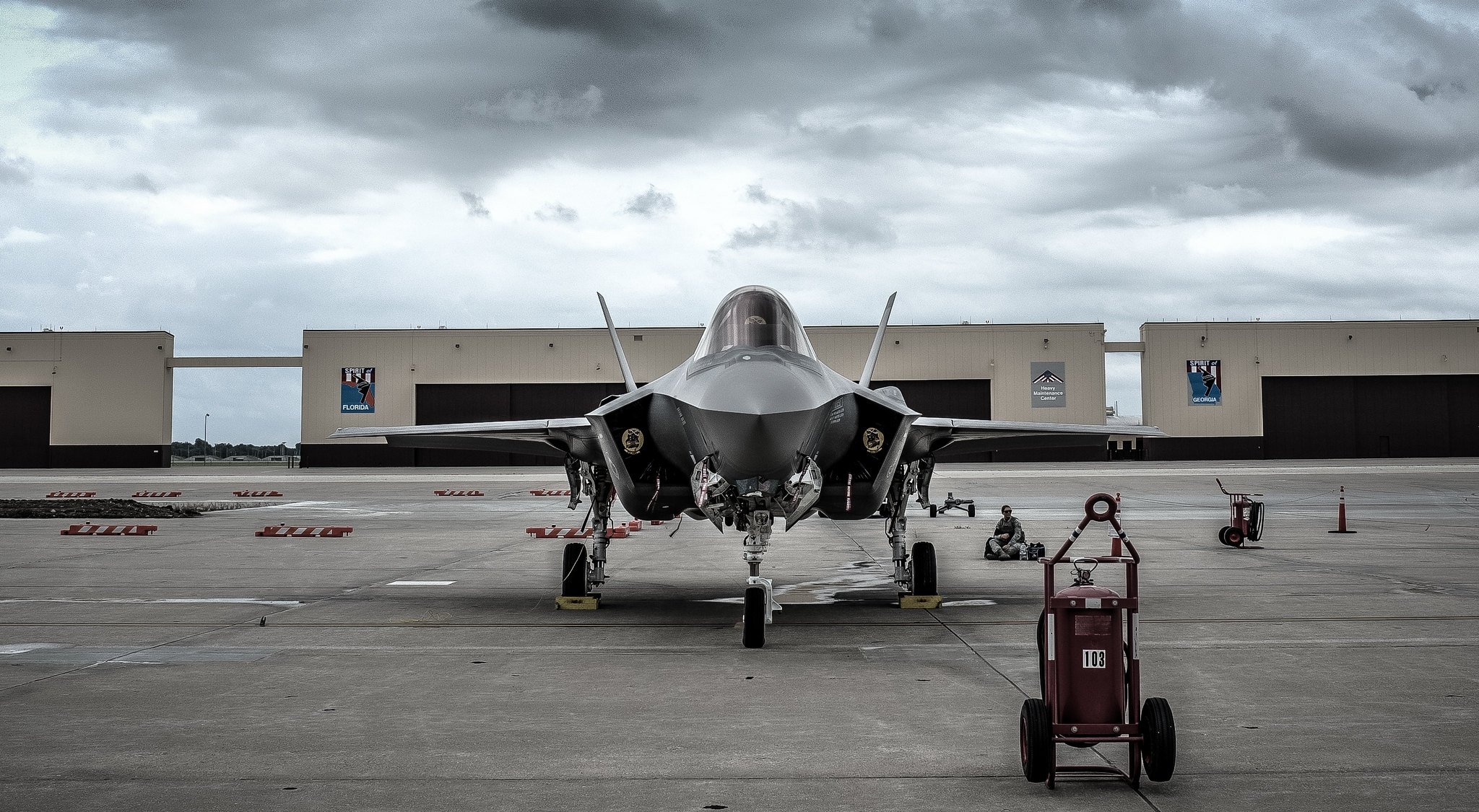
Turkey appears to be making progress toward resolving its long-running clash with Washington and other NATO partners over the Russian made S-400 missile defense system an issue that has barred Ankara from acquiring and co-developing F-35 stealth jets.
Tom Barrack, the US ambassador to Turkey and a close ally of President Donald Trump, said the country may be preparing to remove the system within the next four to six months.
Even though the S-400s have never been activated, Turkey still holds the missiles, radar arrays, and supporting technology that came with the purchase. Their mere presence has strained ties with allies and disqualified Turkey from participating in the F-35 program.
How the S-400 purchase reshaped Turkey’s path to the F-35
Turkey’s decision nearly a decade ago to buy the S-400 from Russia defied persistent warnings from NATO. Washington argued that integrating Russian hardware into the alliance’s defense network and especially operating it near the F-35 risked exposing sensitive military information to Moscow.
The move led to Ankara’s removal from the multinational F-35 development effort. It also triggered CAATSA sanctions on Turkish defense firms, restricting their ability to procure key American technologies and systems.
Turkey’s F-35 future in focus as S-400 talks advance
During a meeting at the White House in September, Trump and Turkish President Recep Tayyip Erdogan revisited the S-400 dispute.
Trump suggested that if Turkey takes tangible steps to address US security concerns, its path back into the F-35 program could reopen. The F-35, often described as the “quarterback” of modern air combat, can surpass $100 million per aircraft in the most advanced configuration.
Trump also hinted at expectations that Turkey would further reduce its reliance on Russian energy supplies a shift Barrack says is already underway.
He characterized the relationship between the two leaders as a “bromance” that has contributed to warmer bilateral ties since Trump’s return to office in January.
Turkey’s possible role in Gaza stabilization
As cooperation improves, Washington is also exploring Turkey’s involvement in an international stabilization force envisioned under Trump’s Gaza peace plan. Given Ankara’s longstanding relationship with Hamas, US officials believe Turkey could help push the group toward disarmament.
Still, Barrack expressed skepticism that Israeli Prime Minister Benjamin Netanyahu would support Turkish participation, citing the deep mistrust and strained relations between the two nations since the outbreak of the Gaza war in 2023.
“If I were advising Netanyahu, I’d say it’s an excellent strategic option,” Barrack said. “But will it happen? No. It ultimately comes down to trust and that trust simply isn’t there.”