Former Prime Minister Alexis Tsipras’s memoir, “Ithaca,” offers an intensely personal account of the devastating events in July 2015, detailing the negotiation that followed a critical political gamble: the Greek Referendum.
The mandate and the collapse
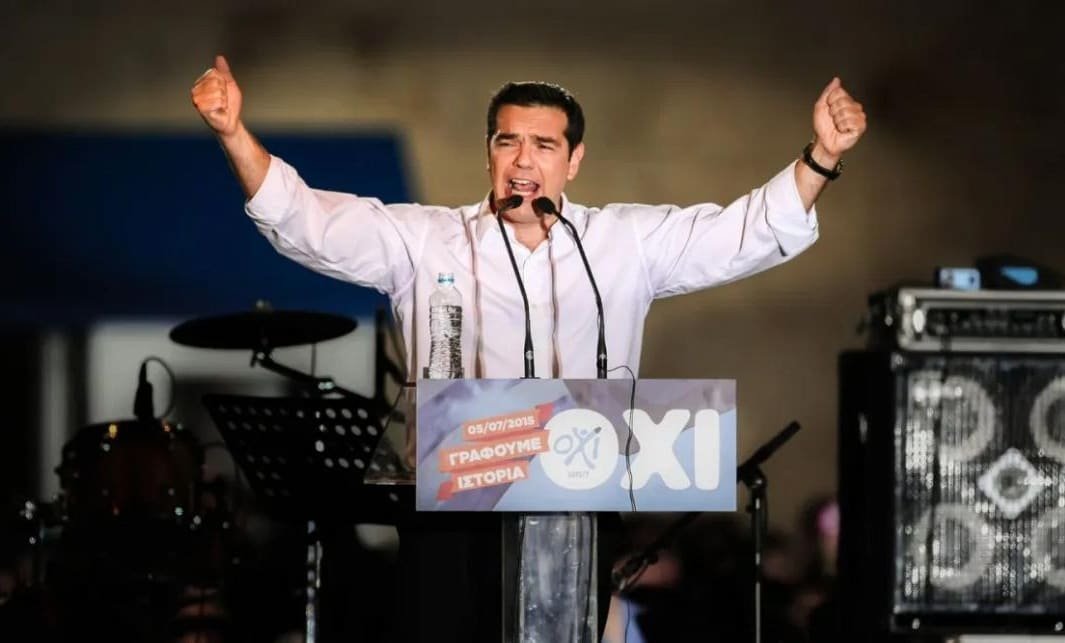
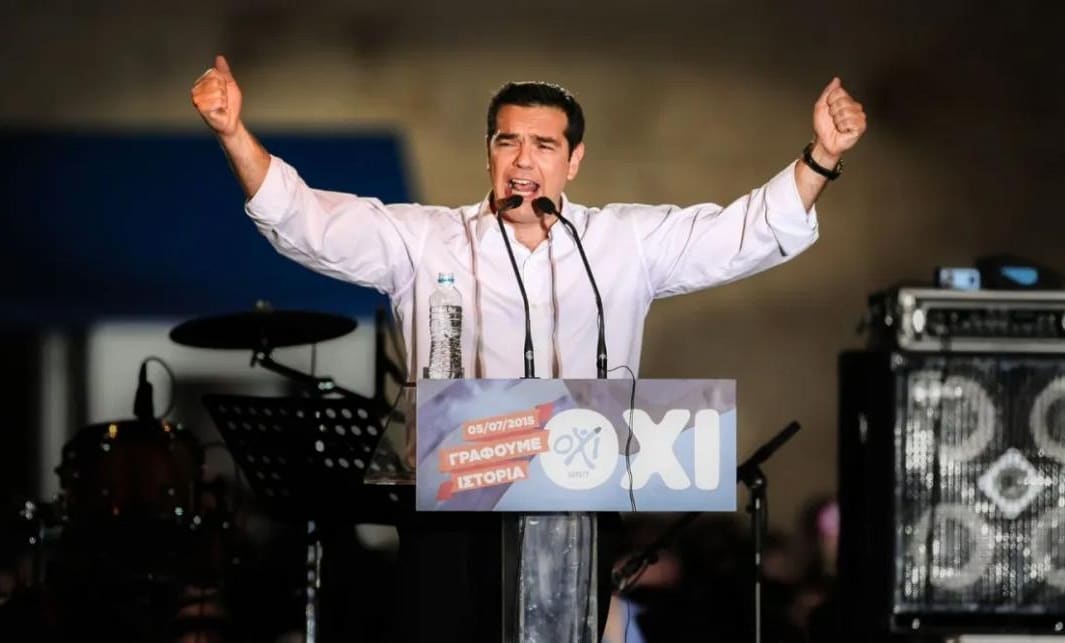
The crisis reached its peak when Tsipras called a snap referendum, urging the Greek people to vote “No” (Oxi) to the creditors’ terms. On July 5, 2015, the public delivered a massive political victory with 61.3% voting “No,” empowering Tsipras to demand a better deal.
However, the political triumph was met with immediate financial retaliation. The European Central Bank (ECB) froze vital liquidity, forcing the government to implement capital controls and close banks for three weeks. This pushed the country to the verge of financial collapse and potential exit from the Eurozone (Grexit).
Despite the popular mandate, the threat of Grexit forced Tsipras to return to the table, submitting a new proposal. The subsequent 17-hour negotiation at the Euro Summit became a defining trauma, characterized by extreme pressure and hostility.
In his memoir, Tsipras reserves harsh criticism for former German Finance Minister Wolfgang Schäuble, accusing him of deliberately cultivating a tough image to avoid confronting the systemic flaws of the Eurozone:
“Instead of self-criticism, he chose moralizing. Instead of a solution, he chose punishment.”
The walkout and the moment of truth
The relentless demands pushed Tsipras to a dramatic confrontation. Feeling the terms demanded were designed for outright humiliation, he recalled his defiant stand:
“I stood opposite them and told them, with a raised voice… ‘This is humiliation.’ And we are not a country defeated in war, we are a country negotiating with dignity.”
Overwhelmed, Tsipras dramatically left the room, believing the break was final. He recalls the sinking realization with his staff: “We are in the drachma right now, guys. Everything is over.”
Tsipras: the bitter U-turn
The process was pulled back from the brink only after key leaders intervened. Tsipras recounts being chased down the hall by the French delegation, where President François Hollande urged him: “No, Alexis, we mustn’t do this. We must stay and overturn this decision.”
Under this immense political pressure and facing the catastrophic fallout of Grexit, Tsipras capitulated. He signed the agreement on July 13, 2015, which led to the Third Memorandum (Bailout)—a deal that was ultimately harsher and more stringent than the one the Greek people had rejected just days earlier.
The immense strain on all parties was captured by Chancellor Angela Merkel’s exhausted confession to Tsipras after the deal was closed:
“Alexi, I have done thousands of hours of negotiations in my life… but I have never experienced this.”
The sequence—a democratic “No” followed by a forced U-turn and the acceptance of a tougher bailout—is the central, painful paradox that defines the 2015 crisis and Tsipras’s memoir.
The key events of July 2015
June 27, 2015: Tsipras announces the Referendum on the creditors’ then-current proposals.
July 5, 2015: The Referendum is held, resulting in a decisive “No” (Oxi) vote (61.3%). Yanis Varoufakis resigns.
July 12-13, 2015: The 17-hour Euro Summit negotiation takes place. This marathon meeting was not over the referendum proposals, but over a new, much more stringent ultimatum issued after the “No” vote.
July 13, 2015: Tsipras capitulates and the agreement leading to the Third Memorandum is reached.
Related:“Ithaca”: Alexis Tsipras on Yanis Varoufakis