

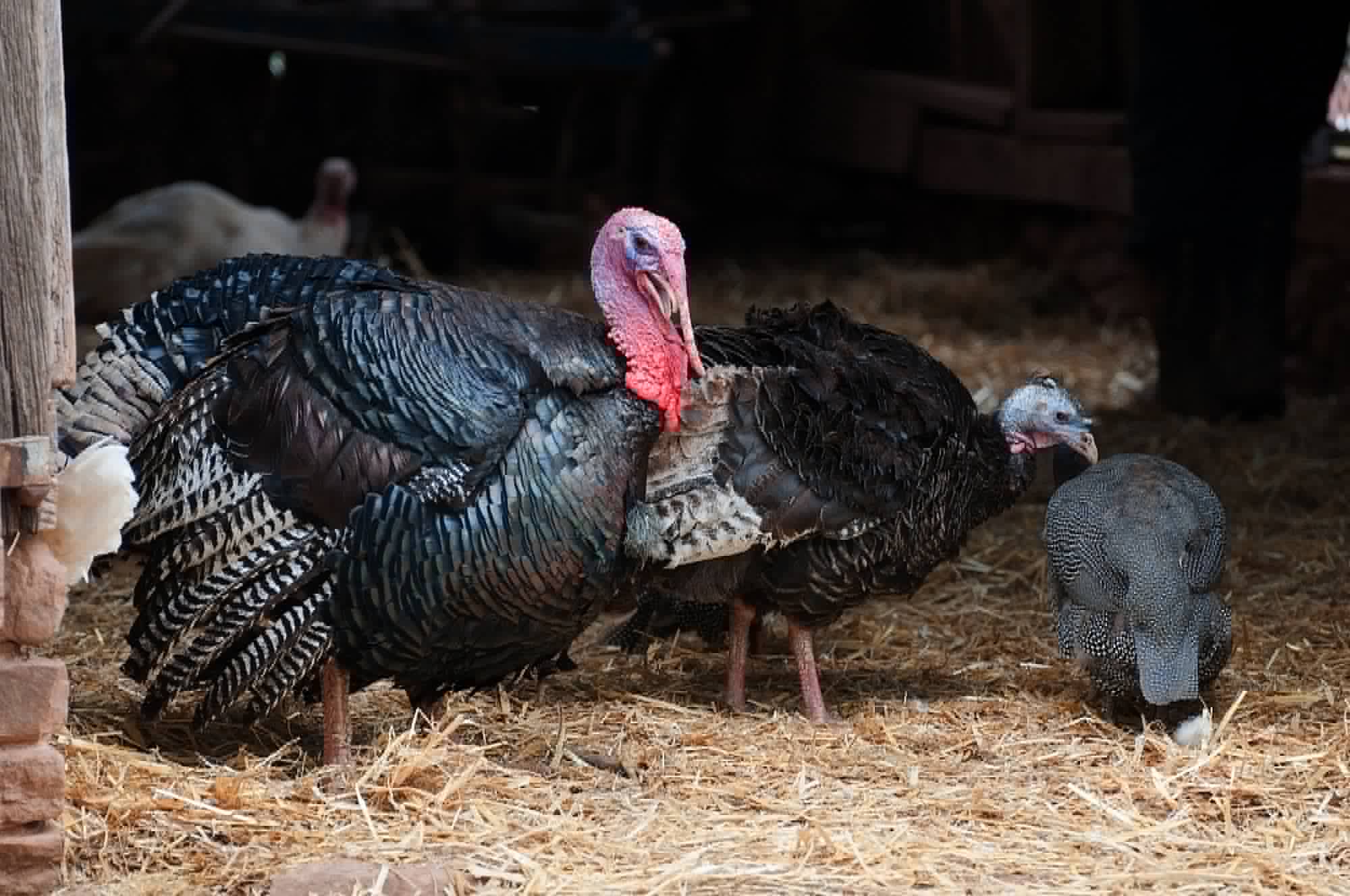
For centuries, the word Turkey has sparked a strange linguistic and cultural confusion: is it the large bird found on dinner tables at Thanksgiving—or a nation bridging Europe and Asia with thousands of years of history? The mix-up became so widespread that it eventually played a role in reshaping a country’s modern identity. Today, the Republic of Türkiye (the official name since 2022) seeks to distinguish itself from the poultry that unintentionally stole its global name. But how did this peculiar confusion begin—and why did it matter enough to inspire a formal international rebrand?
Turkey: A Bird With a Misleading Passport
The story starts long before modern borders and diplomatic etiquette. The turkey bird—native not to Türkiye, but to the Americas—arrived in Europe in the 1500s, courtesy of global trade networks. At the time, exotic goods traveling through Ottoman-controlled trade routes were commonly labeled “Turkish” to imply foreignness, luxury, and exotic origin. Much like Turkish coffee, Turkish delight, and Turkish pepper, the newly arrived bird became known in English as a “Turkey bird” or “Turkey cock.” The name stuck, even though scientifically, culturally, and historically, the bird had nothing to do with the Ottoman Empire.
The confusion isn’t limited to English. Many languages linked the bird to India, the Middle East, or South America rather than America. In Turkish, the bird is called hindi, meaning “from India.” In French, it became dinde, short for poulet d’Inde, or “chicken of India.” In Arabic, the term translates to “Indian rooster,” while in Hebrew it means “rooster of India.” In Portuguese, the bird is called peru, named after the South American country. Greek uses the word galopoula, meaning “French bird.” In other words, almost every culture assumed the turkey bird came from somewhere else entirely—India, Peru, France, or the Ottoman trade network. The animal became a global passport mistake.
Regarding the country, the modern term “Turkey” grew from “Türkiye,” a word used for a millennium meaning “land of the Turks.” Yet in the global arena, the English word increasingly carried unintended connotations. In English slang, “turkey” can also mean failure or foolishness. Search engines often displayed images of roasted poultry before anything related to the nation. Tourism marketing sometimes struggled with the awkward overlap. For a country projecting itself as a major cultural, political, and economic force, the coincidence was no longer amusing; it was limiting.
Turkey: From Thanksgiving Tables to the UN — A Linguistic Oddity
In December 2021, President Recep Tayyip Erdoğan announced that the country would adopt “Türkiye” as its official international name. The decision was part cultural protection and part strategic branding, ensuring that the nation’s identity reflected dignity rather than accidental poultry associations. In June 2022, the United Nations formally recognized the change. The government launched a campaign globally under the slogan “Hello Türkiye,” emphasizing heritage, unity, and modernity.

Türkiye’s decision is part of a broader historical trend. Many nations have reclaimed local spellings, cultural authenticity, or precolonial names: Persia became Iran, Bombay became Mumbai, and the Czech Republic repositioned itself as Czechia. Yet Türkiye’s case stands out because it was not just history, geography, or sovereignty that influenced the decision—it was also a lingering and accidental association with a Thanksgiving bird.
Today, the confusion often continues in everyday conversation and pop culture. The story remains a unique example of how language—and occasionally, a bird—can help reshape international branding, cultural perception, and national identity. In the end, both the nation and the bird kept their names, but only one received formal recognition from the United Nations.


