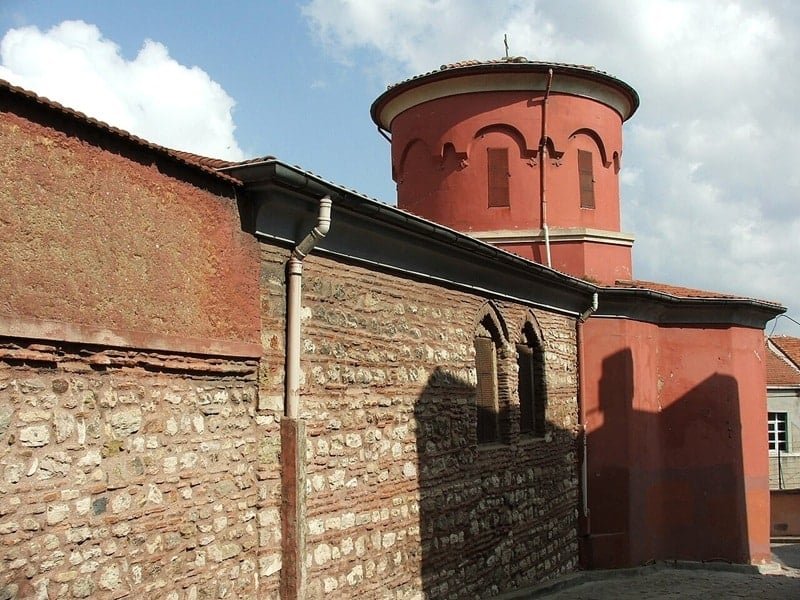
While the great cathedrals of Byzantium in Constantinople, today’s Istanbul—including Hagia Sophia—were converted into mosques, Panagia Mouchliotissa, remained untouched.
To this day, the small, crimson-walled church in the Phanar district continues to celebrate the Divine Liturgy, protected by a 15th-century imperial decree.
The “Lady of the Mongols”: Maria Palaiologina
The church’s survival is inextricably linked to its founder, Maria Palaiologina, the illegitimate daughter of Emperor Michael VIII Palaiologos. Her life was a masterclass in Byzantine “marriage diplomacy”.
In 1265, Maria was sent to Persia to marry Hulagu Khan, the founder of the Ilkhanate. However, Hulagu died before she arrived, and she instead married his son and successor, Abaqa Khan.
For 15 years, Maria lived among the Mongols. Known as Despina Khatun, she became a powerful Christian influence at the Mongol court, securing protection for the Church within the vast Mongol Empire.
Following Abaqa’s assassination, Maria returned to Constantinople. Refusing further political marriages, she dedicated her life to the faith, renovating and expanding the monastery that now bears her name: the “Virgin of the Mongols.”
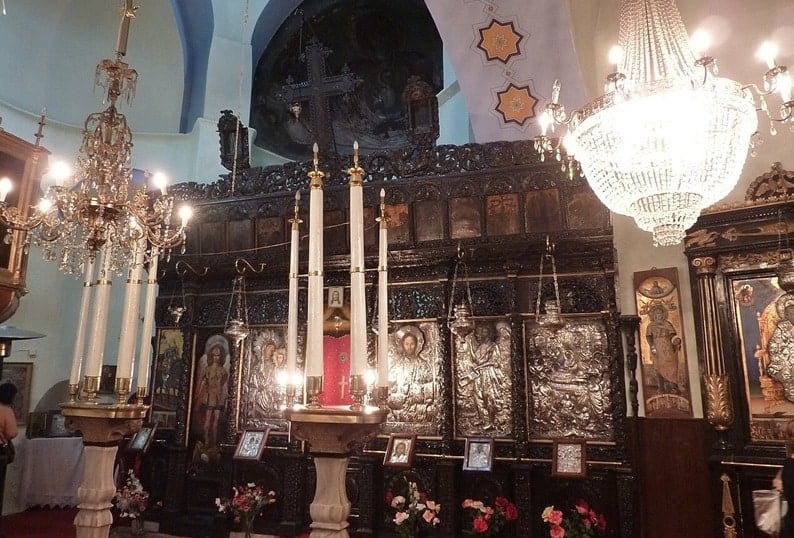
Why was the church of Panagia Mouchliotissa spared?
The church’s survival was not an accident of history, but a reward. It was granted to Christodoulos, the Greek architect of the Fatih Mosque, by Sultan Mehmed the Conqueror. The Sultan issued a formal firman (decree) protecting the church from conversion—a document that is still preserved by the parish today.
Maria Palaiologina was more than a princess; she was a bridge between the dying Byzantine Empire and the rising Mongol East. Her monastery remains a living monument to her resilience and the enduring spirit of the Greek community in Constantinople.
Related: Constantinople Greeks: The Cosmopolitans of Byzantium’s Capital