

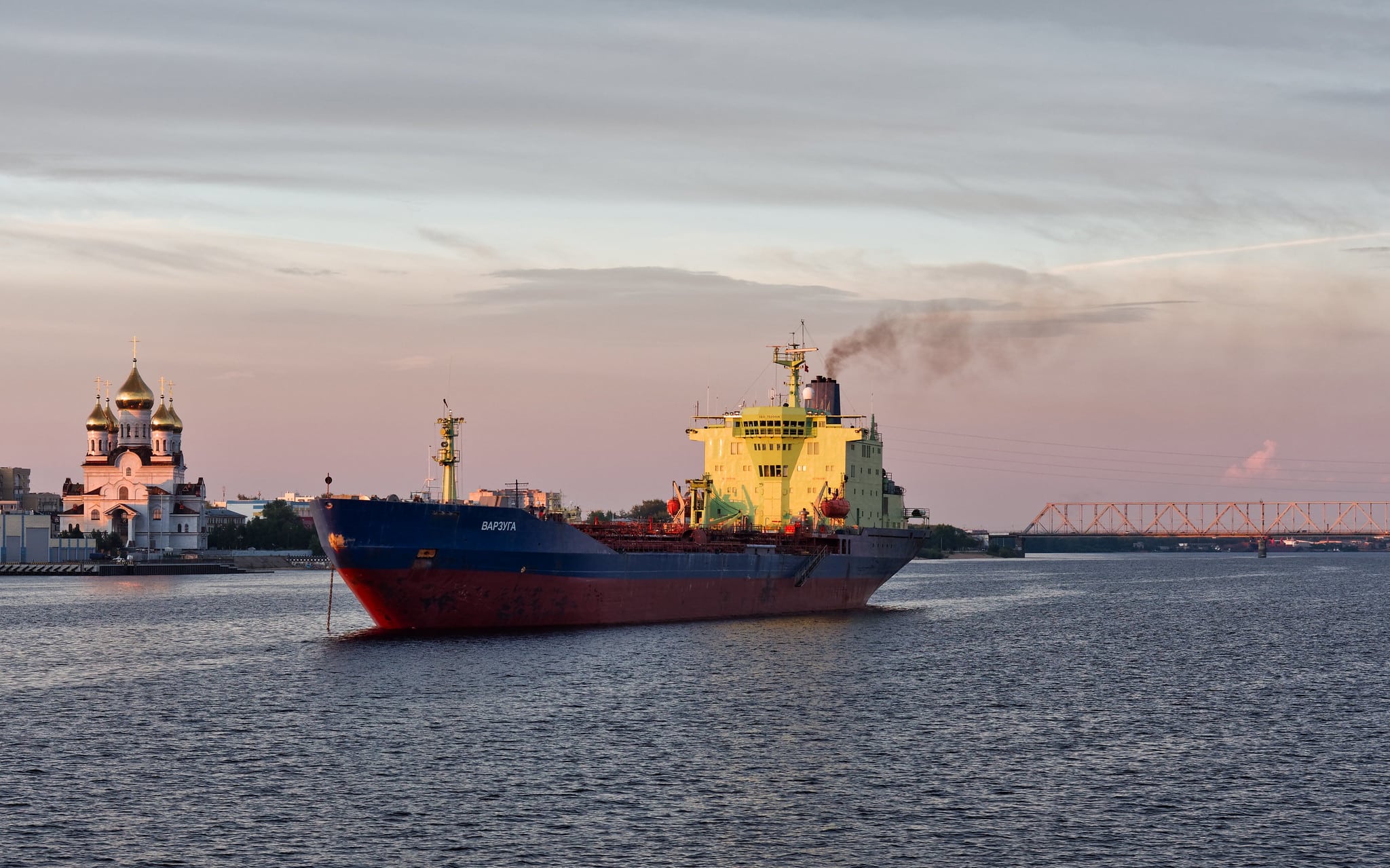
A Russian-owned oil tanker carrying about 730,000 barrels of crude has arrived at Cuba’s port of Matanzas, east of Havana, offering relief to an island struggling with severe fuel shortages.
The vessel, Anatoly Kolodkin, marks the first crude shipment to reach Cuba since early January. Its arrival follows months of tight U.S. pressure on fuel supplies, which sharply reduced imports and deepened the country’s energy crisis.
U.S. allows shipment but maintains blockade
U.S. President Donald Trump signaled a more flexible stance over the weekend. He said he did not object to other nations sending oil to Cuba, adding that Cubans “have to survive.”
The White House later said the tanker was allowed to dock on humanitarian grounds. Officials stressed that such decisions would be made on a case-by-case basis. They also confirmed that the broader oil blockade remains in place.
Supply disruption deepens crisis
Cuba’s fuel shortages began earlier this year after disruptions to supplies from its main regional ally, Venezuela. U.S. actions targeting Venezuelan leadership and warnings of tariffs on countries exporting oil to Cuba led several suppliers to halt shipments.
🇷🇺 🇨🇺 🇺🇸 A Russian oil tanker has reached #Cuba, bringing a much-needed shipment to the oil-starved nation.
This comes after #US President Donald #Trump signalled a softening of the blockade against the island nation.
FRANCE 24’s Philip Turle tells us more ⤵️ pic.twitter.com/8tIzj0BhYE
— FRANCE 24 English (@France24_en) March 30, 2026
The result was a sharp drop in available fuel across the island, exposing the country’s heavy reliance on imported energy.
Blackouts disrupt daily life
The impact has been widespread. Cuba has faced repeated nationwide blackouts, affecting homes, businesses, and public services. Hospitals have struggled to operate at full capacity due to unreliable electricity.
Schools and some government offices have closed in response to power outages. The tourism sector, a key source of income, has also been affected as disruptions continue.
Fuel rationing adds pressure
Fuel access remains tightly restricted. Drivers can purchase a maximum of 20 litres at petrol stations. They must register through a state-run mobile app and often wait weeks for their turn. Payments must be made in U.S. dollars, adding further strain for many residents.
Refining delays limit immediate relief
Despite the tanker’s arrival, the crude oil cannot be used immediately. It must first be processed at an ageing refinery in Havana. This step could take more than a week. Analysts say the shipment may only provide short-term support to the country’s energy system.
Experts say diesel remains an urgent need
Jorge Piñón said the more urgent need is diesel rather than crude oil. Diesel can be used directly in backup generators and transportation systems, both of which are under heavy pressure.
Experts say the delivery highlights both shifting geopolitical signals and the fragility of Cuba’s energy system. For now, the shipment offers only temporary relief to a country facing ongoing economic and power challenges.


