Construction work for a new school in Frankfurt, Germany, has exposed a Roman sanctuary — part of the ancient town of Nida that once occupied today’s northwestern suburbs of the city — offering rare insight into religious life on the northern edge of the Roman Empire.
Archaeologists from the city’s Monument Office excavated more than 4,500 square meters (48,000 square feet) at the heart of the ancient Roman city of Nida, exposing a large, walled cult district.
Researchers say the scale and preservation of the site are exceptional for an urban excavation. Nearly the entire complex was excavated and documented using modern archaeological methods.
The remains survived largely intact, with only minimal disturbance after the Roman period, preserving a coherent archaeological context rarely seen at Roman sites in Germany.
An unusual sanctuary layout with elaborate buildings
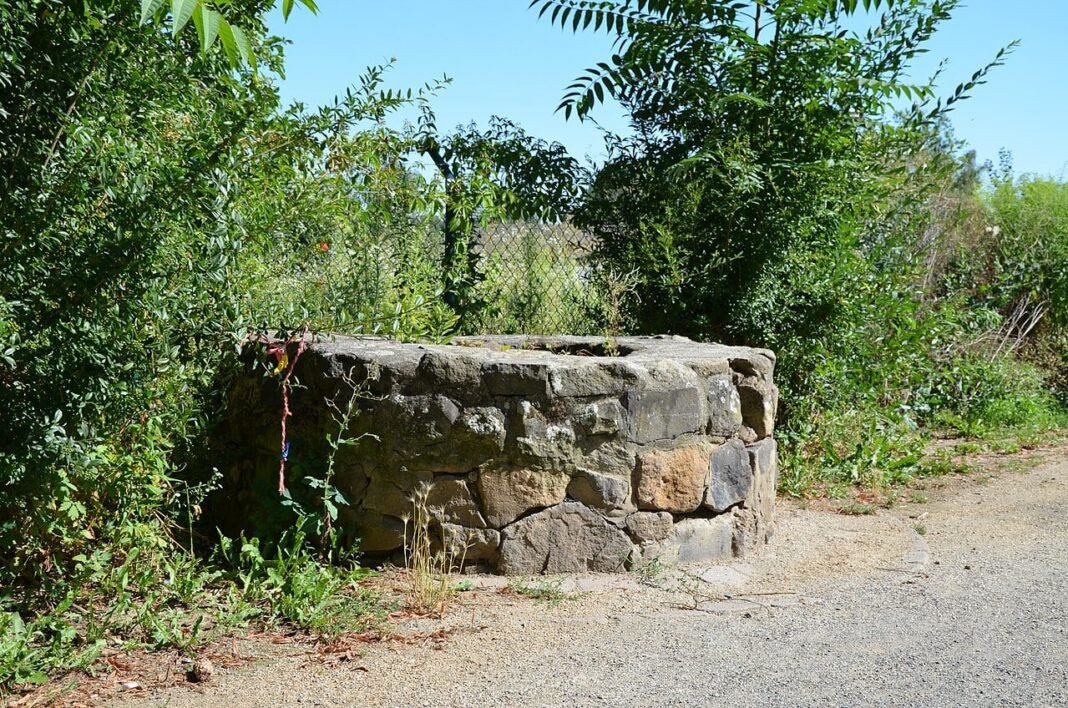
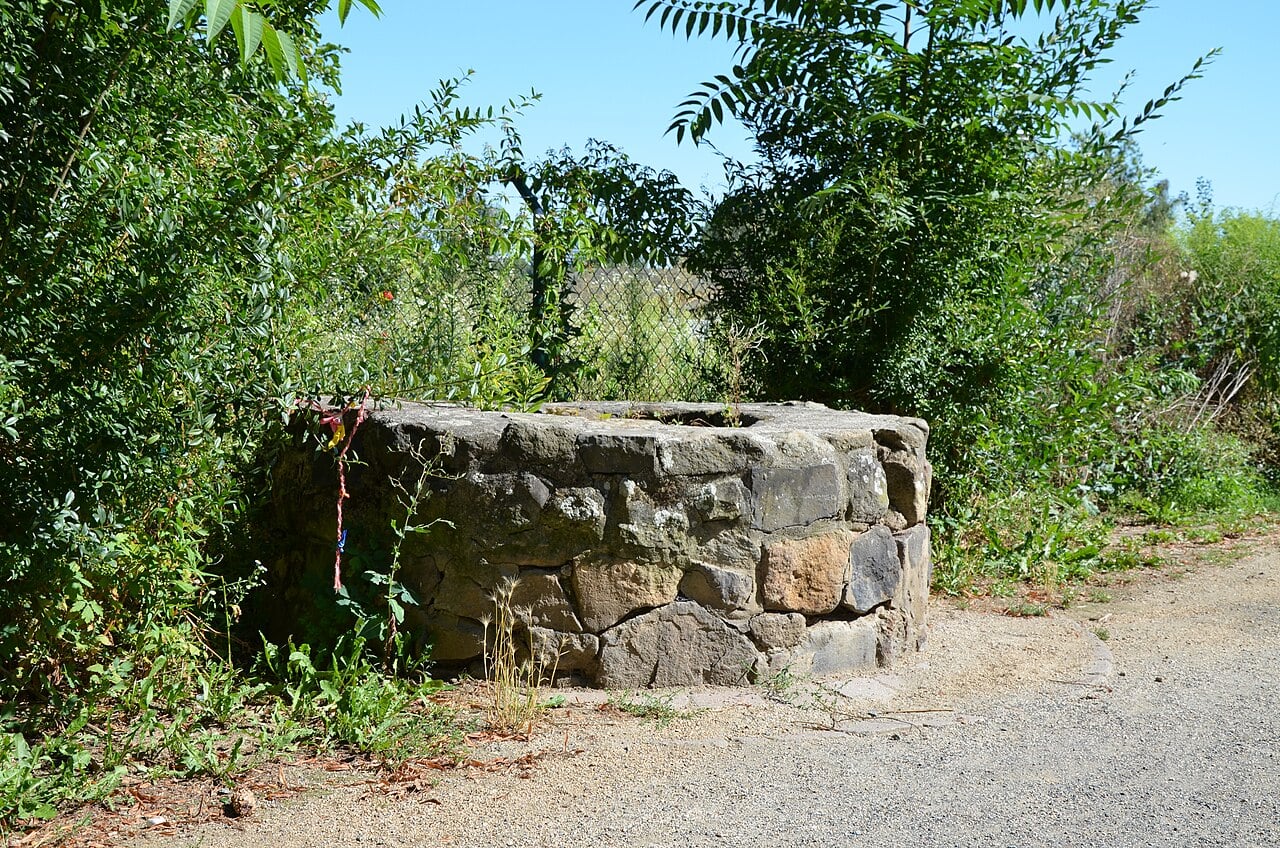
The cult district consisted of eleven stone buildings constructed over several phases. Archaeologists also identified around 70 shafts and ten pits used for ritual depositions. The layout of the buildings is highly unusual, with no known parallels in the Germanic or Gallic provinces of the Roman Empire.
Evidence suggests the existence of carefully designed and richly decorated structures. Excavations yielded more than 5,000 fragments of painted wall plaster, along with bronze fittings from doors and windows. Researchers say these materials indicate a high level of architectural investment, suggesting that the sanctuary played a prominent role in the city’s religious life.
Ritual deposits reveal repeated ceremonial activity
The shafts and pits provided some of the most revealing evidence. Archaeologists recovered large numbers of ceramic vessels, along with substantial quantities of animal and plant remains. These included bones of fish and birds, as well as botanical material preserved in the soil.
Researchers interpret these finds as the remains of ritual meals and offerings made to the gods. The repeated presence of such deposits suggests long-term ceremonial use rather than isolated acts of worship. To support detailed analysis, the team collected 150 samples for archaeobotanical and archaeozoological study.
Coins, offerings, and rare evidence of sacrifice
Small finds are central to reconstructing ritual practices at the site. Researchers are analyzing 254 Roman coins and more than 70 silver and bronze garment clasps, known as fibulae. Several were found fully preserved.
Across the Roman world, coins and fibulae are widely attested as votive offerings placed in sanctuaries. At Nida, their careful deposition suggests deliberate ritual acts carried out over generations.
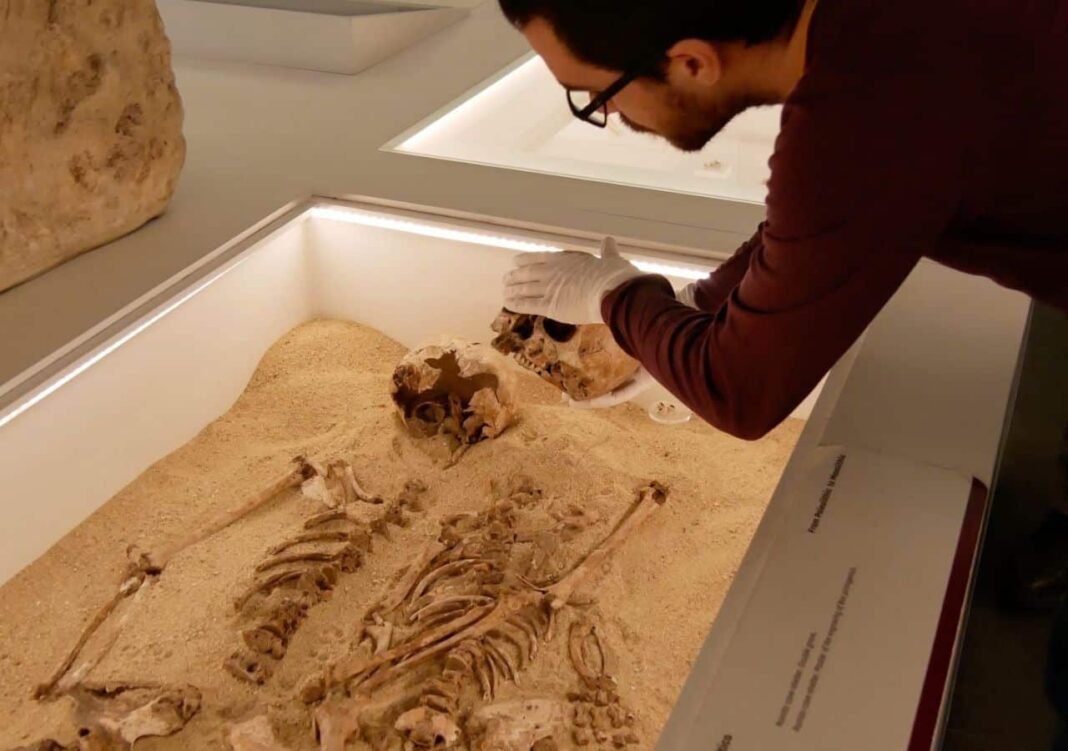
One aspect of the site stands out as exceptional. Archaeologists have identified evidence that may point to human sacrifice within the cult district. Researchers stress that such indications are extremely rare in Roman religious contexts and require cautious interpretation.
Multiple gods worshipped side by side
Despite the richness of the finds, identifying the specific deities worshipped at the sanctuary remains difficult. Inscriptions and iconographic evidence indicate the veneration of several gods, including Jupiter; Jupiter Dolichenus, popular among soldiers; Mercurius Alatheus, linked to trade; Diana; Apollo; and Epona.
Archaeologists in Frankfurt have uncovered a rare Roman sanctuary at the ancient city of Nida during construction of a new school.
The well-preserved site reveals ritual buildings, offerings, and evidence of long-term religious activity on the empire’s northern frontier. pic.twitter.com/2XhgtTTBHG
— Tom Marvolo Riddle (@tom_riddle2025) January 29, 2026
This mix suggests the site functioned as a regional sanctuary rather than a shrine devoted to a single cult. Researchers say it likely served a diverse population drawn from the wider Limes region.
Archaeological evidence indicates the cult district was established in the early 2nd century CE. A dedicatory inscription dated Sept. 9, 246 CE, confirms the sanctuary remained in use into the mid-3rd century CE.
A key site in Roman Germania
Founded as a military base in the late 1st century CE, Nida later developed into the economic and cultural center of the Limes region. The city remained one of the most important urban centers in Roman Germania until its abandonment around 275 to 280 CE.
Researchers say the exceptional preservation and richness of the sanctuary make Nida one of the most significant Roman cult sites discovered north of the Alps. Ongoing analysis is expected to reshape understanding of religious practices in the northern provinces of the Roman world.