
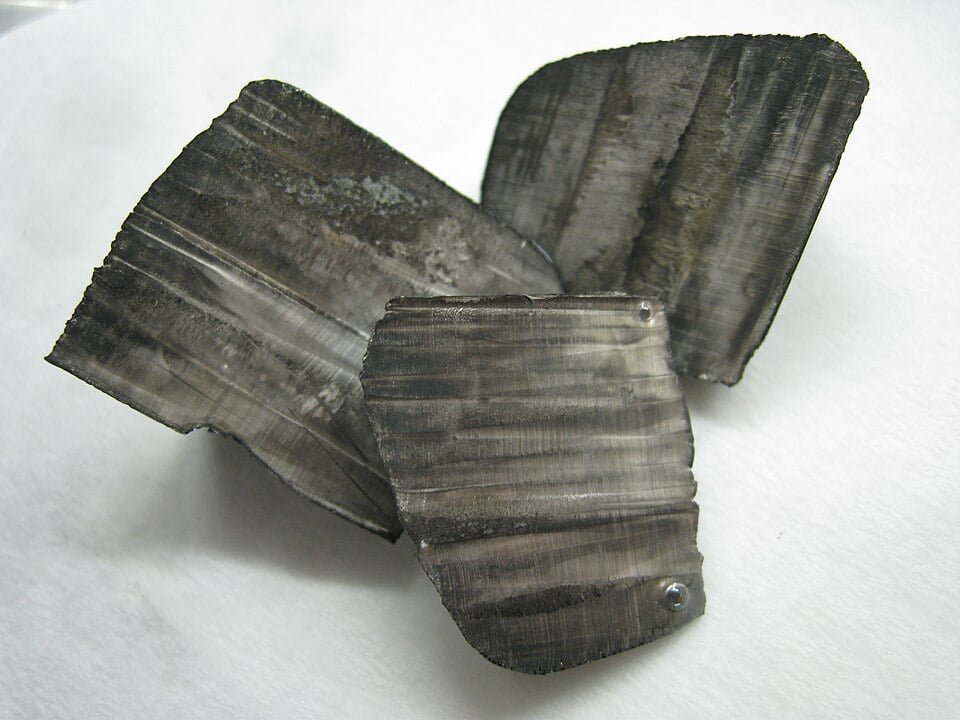
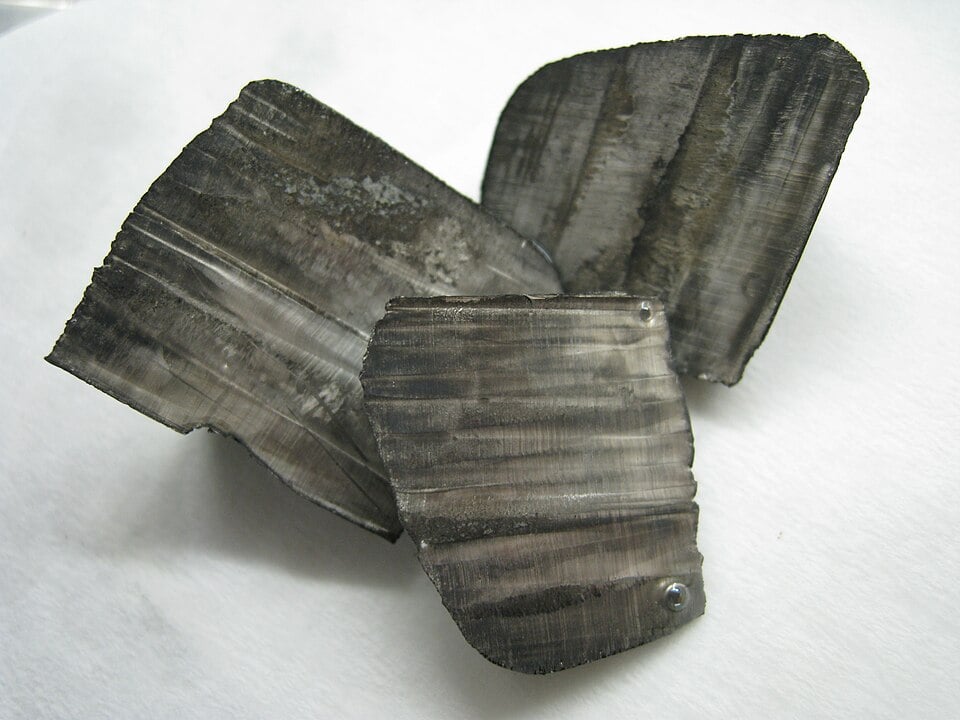
Researchers say the United States Geological Survey has identified a major lithium resource in the Appalachian region of the eastern United States, suggesting that the US could significantly reduce its reliance on imports as demand for battery materials continues to grow.
The study estimates that the region holds about 2.3 million metric tons of undiscovered but economically recoverable lithium. That amount could replace roughly 328 years of U.S. lithium imports based on last year’s consumption levels. The deposits are spread across states, including Maine, New Hampshire, and the Carolinas.
Deposits concentrated in northern and southern regions
The research, published in Natural Resources Research, provides a detailed breakdown of the resource. The southern Appalachians contain an estimated 1.43 million metric tons of lithium oxide, largely concentrated in the Carolinas. The northern Appalachians hold about 900,000 metric tons, mainly in Maine and New Hampshire.
Scientists found that lithium occurs in pegmatites, large-grained rocks that form during the final stages of magma cooling. These formations are known to contain high concentrations of rare minerals, including lithium-bearing compounds.
Potential impact on energy and technology
Officials say the scale of the resource could support a wide range of technologies. The estimated amount of lithium could produce batteries for about 130 million electric vehicles.
It could also support roughly 1.6 million grid-scale energy storage systems, which help stabilize electricity networks. Researchers added that the resource could supply hundreds of billions of consumer devices, including laptops and mobile phones.
U.S. reliance on imports raises concerns
The findings come as the United States seeks to strengthen supply chains for critical minerals. Lithium is widely used in rechargeable batteries for electronics, vehicles, and energy storage. It also has applications in military equipment and aerospace materials.
A new USGS assessment estimates that the Appalachian region of the eastern U.S. contains 2.3 million metric tons of undiscovered, economically recoverable lithium. That’s enough lithium to replace 328 years of imports!
Lithium is essential for batteries that power EVs, energy… pic.twitter.com/BHXKf0CJuj
— USGS (@USGS) April 28, 2026
The country currently depends heavily on imports. The United States had only one active lithium producer last year and relied on foreign sources for more than half of its supply. This reliance contributed to lithium being listed as a critical mineral by the USGS.
Globally, production is concentrated in a few countries. Australia is the largest producer of lithium, while China ranks second and dominates refining and consumption. This concentration has raised concerns about long-term supply security.
Estimates reflect scientific uncertainty
The USGS said the estimates reflect scientific uncertainty. The figures are presented at a 50 percent confidence level, meaning actual resources could be higher or lower. In the northern Appalachians, researchers estimate a median of about 1.4 million metric tons, with a wide range of possible outcomes.
The agency used geologic mapping, sampling, and computer modeling based on global data to estimate undiscovered deposits. Researchers say the approach improves understanding of potential resources, though further exploration is needed to confirm their economic viability.
Long history of lithium exploration in the region
The Appalachian region has a long history of lithium exploration. North Carolina’s Kings Mountain area was once home to the first large-scale lithium mining operation in the United States. The new assessment builds on that legacy with more advanced methods.
Researchers say the findings highlight the potential for the United States to expand its domestic lithium supply and support long-term energy and technology needs.


