New research shows that the Bronze Age Caucasus diet was far more varied than previously documented, with communities consuming dairy, fruit-based foods, and grape beverages roughly 4,500 years ago.
The study, published in the Proceedings of the National Academy of Sciences, examined ancient pottery from a settlement in present-day Azerbaijan to reconstruct the food habits of the Kura-Araxes culture.
Maxime Rageot of the Bonn Center for ArchaeoSciences at the University of Bonn led the research team. Researchers analyzed 52 ceramic vessels from Qaraçinar, a settlement on the eastern slopes of the Lesser Caucasus occupied between approximately 2900 and 2600 BC. Organic residues survived in 38 of those vessels, an unusually high preservation rate that allowed detailed analysis.
Azerbaijan pottery yields first direct grape evidence in Kura-Araxes
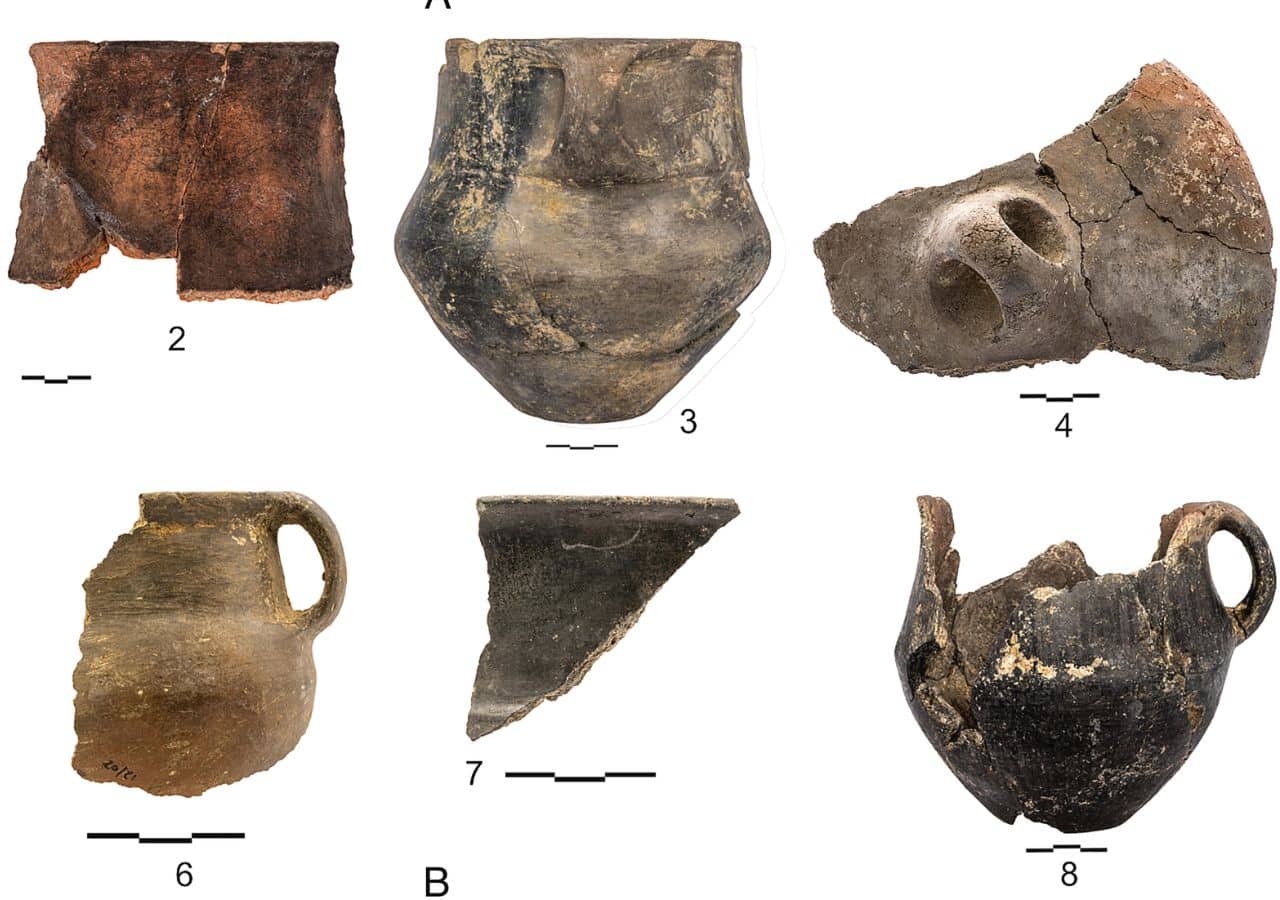
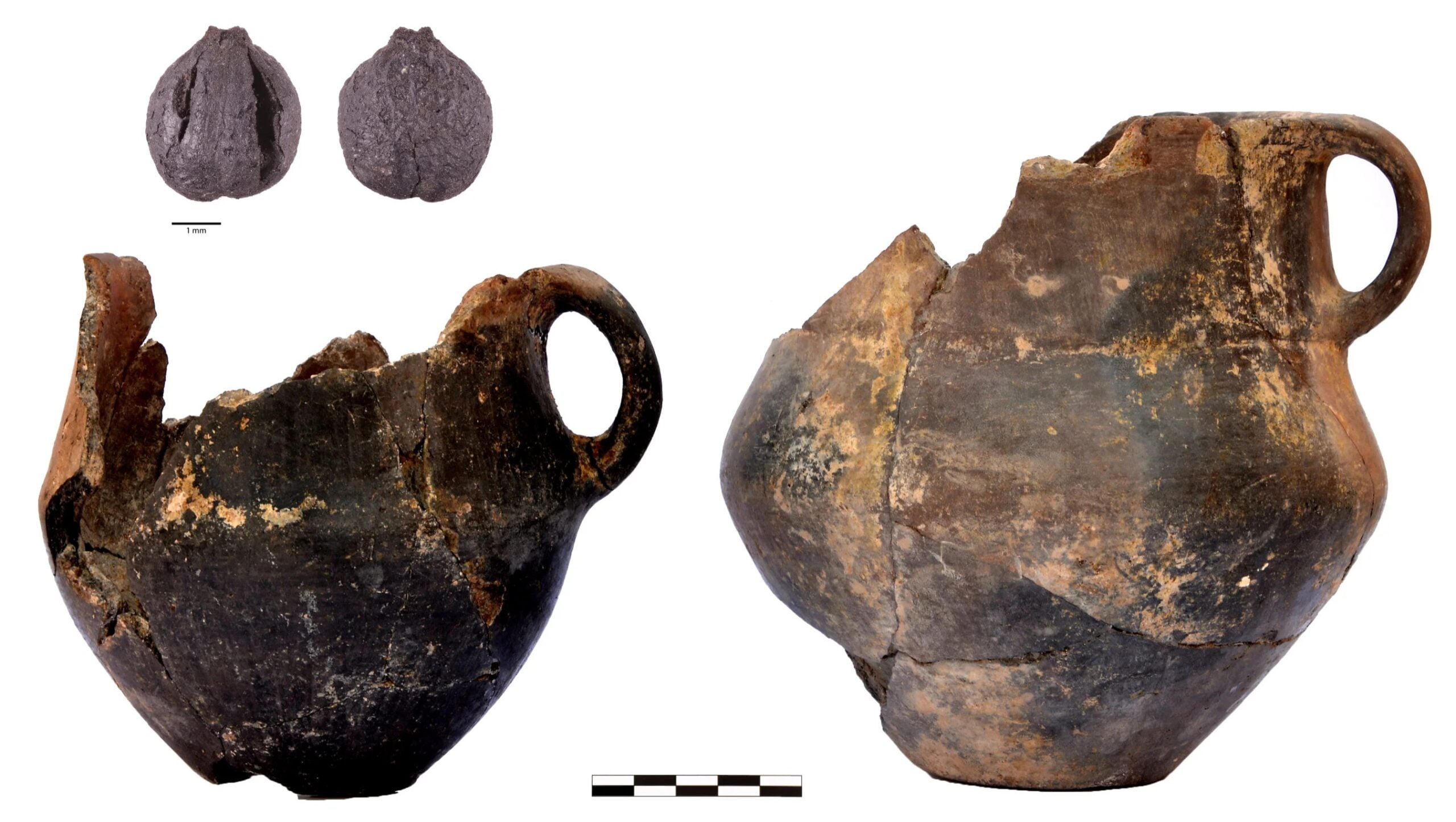
Grape-derived products featured clearly in the findings. Markers pointing to ripe grape products, which could include wine, vinegar, or syrup, appeared in six vessels. Three of those were Red-Black Burnished Ware jars, a decorative pottery type long considered a defining symbol of Kura-Araxes identity.
Rageot and colleagues described this as direct biomolecular evidence of grape consumption within a Kura-Araxes community, the first of its kind. Grape pips recovered from the site further suggest that grapevines grew near the settlement.
Dairy products were the most consistently detected substance across the assemblage, appearing in at least 17 vessels. Ruminant carcass fat showed up in six more. The animal remains from the site aligned closely with these results. Sheep, goats, and cattle made up 90% of the identified mammal bones.
Bronze Age Caucasus diet centered on cattle, sheep, and dairy
When measured by bone weight, cattle alone accounted for roughly 60% of the animal products consumed at the site. Kill-off patterns for sheep pointed to a deliberate emphasis on dairy production alongside meat.
Researchers also detected traces of malic acid-rich fruits, including cherries, raspberries, and blackberries, across multiple vessels. Signs of conifer resin, likely pine-derived, appeared in 10 containers.
Since neither pine nor spruce appeared in the local wood charcoal record, researchers concluded the resin was imported through regional supply networks. It may have served as a preservative, a sealant, or a flavoring agent in food and drink.
A clear functional divide between two pottery types emerged from the data. Monochrome Ware, the most common type at the site, served as a general-purpose cooking vessel used directly over fire to prepare meat, dairy, and plant ingredients. Red-Black Burnished Ware showed almost no fire exposure and was consistently linked to grape products and unheated dairy.
Unexpected millet find points to possible early trade networks
Rageot and the team argued that this reflects codified cultural behaviors around food and drink that were directly expressed through pottery. One unexpected result was a trace of millet in a single Red-Black Burnished jar.
Millet had not previously appeared in Early Bronze Age records from this region, making its presence a notable and still unconfirmed finding that researchers say warrants further investigation.