Archaeologists have traced the origins of Mohenjo-daro, a major ancient city in the Indus Valley, back to around 3300 BC, pushing its documented history several centuries further than earlier estimates. The results challenge the widely held view that the city appeared suddenly around 2600 BC and instead point to a slow, gradual process of urban development.
The conclusions stem from carbon dating carried out during 2025 and 2026 fieldwork at the site, which sits in Pakistan’s Sindh province near the Larkana district along the Indus River.
At its peak, the city is believed to have housed as many as 40,000 residents, ranking it among the most populated urban centers of the Bronze Age alongside comparable cities in ancient Egypt and Mesopotamia.
Mohenjo-daro excavation challenges long-held Indus Valley timeline
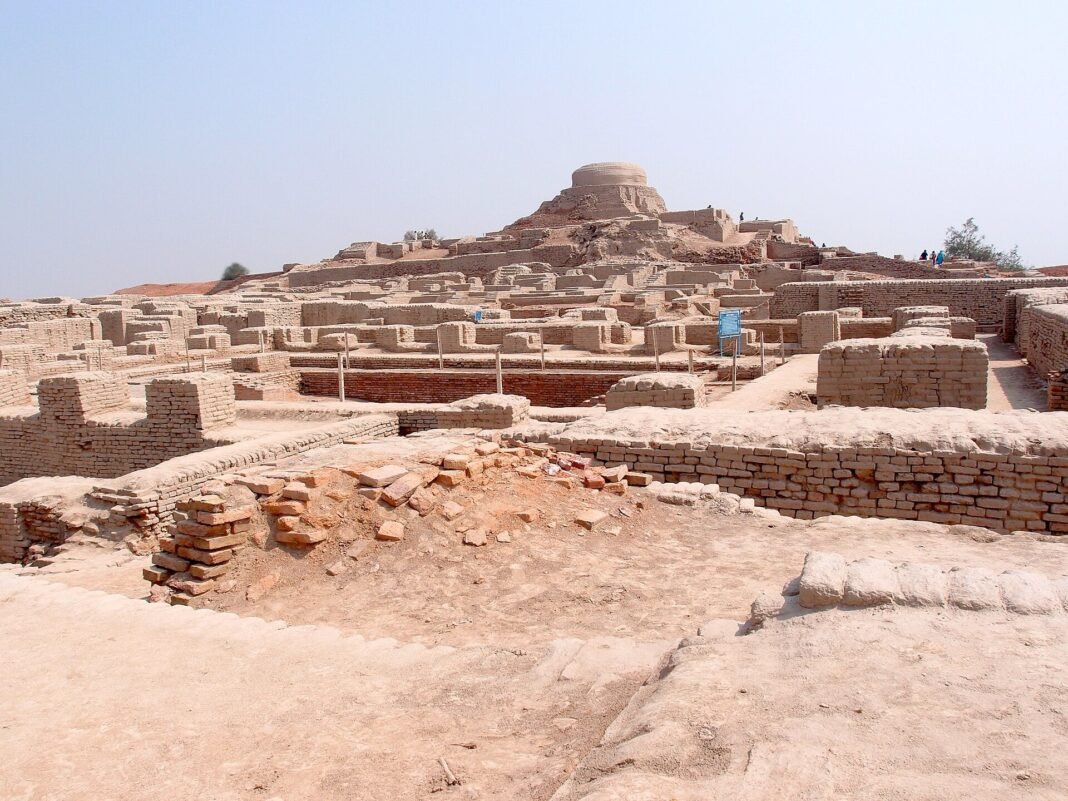
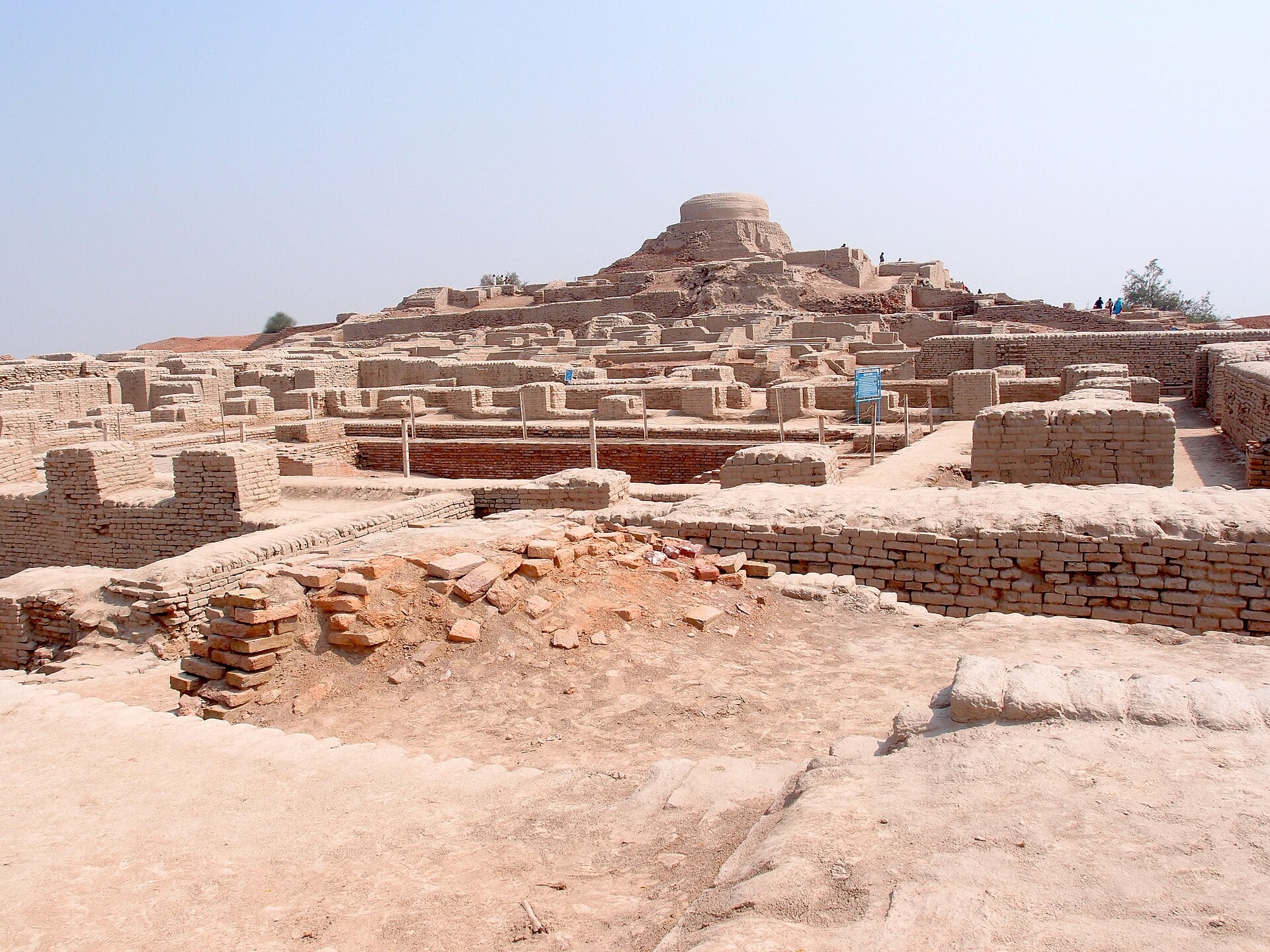
A research team headed by Dr. Asma Ibrahim, Ali Lashari, and Dr. Jonathan Mark Kenoyer examined a large mudbrick structure on the western side of the Stupa Mound. The structure had been excavated decades earlier by Sir Mortimer Wheeler, who reported in 1950 that it was built as a flood barrier.
Five new carbon samples and a stratigraphic review led the current team to a different conclusion, identifying the structure as a city wall built in stages and reinforced over time.
Material from the deepest sections dates its first construction phase to between 2700 and 2600 BC, toward the close of the Early Harappan period, also known as the Kot Diji phase.
US archaelogist Dr Jonathan Mark Kenoyer along side other experts at the Mohenjo Daro excavation site. pic.twitter.com/g5eRpbaO7Q
— Tom Marvolo Riddle (@tom_riddle2025) April 3, 2026
Soil cores taken from below the wall contained Kot Diji-style pottery, indicating that people were already living at the location before the wall was raised. The team concluded that Mohenjo-daro evolved from a pre-existing settlement rather than being founded during the Mature Harappan phase.
Soil cores beneath the wall confirm pre-existing settlement
Similar evidence has emerged at Harappa, another significant city in the Indus Valley, where comparable early settlement layers and defensive structures have been documented.
The wall’s upper sections belong to the Mature Harappan period after 2600 BC, when the city expanded most broadly. Records show the structure was actively maintained through 2200 BC at a minimum, reflecting sustained urban planning over generations.
Researchers plan to map the wall’s complete path and search for gateways that could clarify how residents managed movement, commerce, and protection inside the city.
Kushan coins and earlier finds round out the site’s record
The site has also yielded finds from later centuries. In 2023, workers near the Stupa uncovered several hundred coins from the Kushan period, spanning roughly the 2nd to 5th centuries AD.
The coins, totaling about 5.5 kilograms (about 12 pounds), had bonded together after long burial. Prior excavations in the 1920s and 1930s brought up thousands of coins and objects now distributed among various museum holdings.