New DNA evidence from ancient burials in Kazakhstan may offer fresh clues in the long search for the tomb of Genghis Khan. Researchers say genetic analysis of skeletal remains from burial sites in the Ulytau region suggests a possible connection to the family of the Mongol Empire’s founder.
For centuries, historians and archaeologists have tried to locate the grave of Genghis Khan, whose empire stretched across much of Eurasia in the 13th century. Despite extensive searches and numerous theories, the burial place of the powerful ruler has never been confirmed. Scientists say the new findings could help narrow the search for one of history’s most elusive tombs.
Archaeologists investigate a historic Mongol burial region
The discoveries come from the Ulytau region of central Kazakhstan, an area rich in historical legend and long associated with the Mongol Empire. Medieval sources link the region to Jochi, the eldest son of Genghis Khan and the first ruler of the Golden Horde.
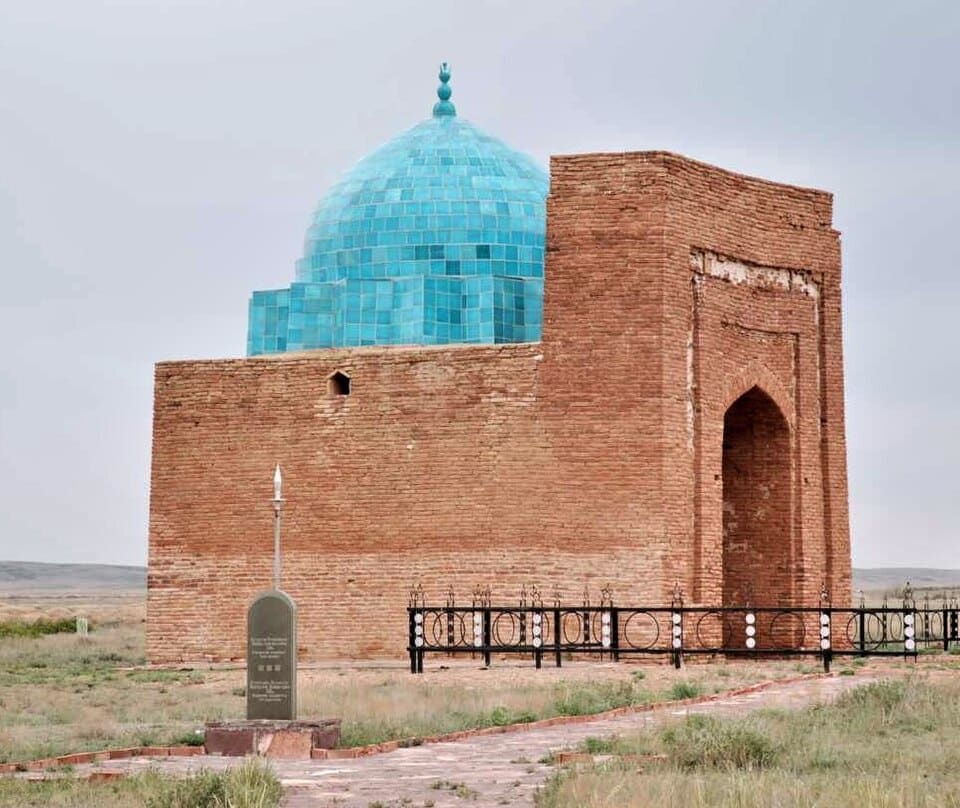
Historical chronicles written by the Turkic scholar Jamal al-Karshi describe how Jochi reportedly died during a hunting expedition in the mountains of Ulytau. According to the account, he was chasing deer when he fell from his horse, broke his neck, and died. Local traditions say he was secretly buried in the same region, following the burial customs of Mongol elites.
For many years, scholars treated these accounts as legend. A joint archaeological expedition involving researchers from the United States, Japan, and Kazakhstan set out to examine whether the historical story might contain real evidence.
DNA analysis reveals genetic link to Mongol lineage
During excavations in the Ulytau region, archaeologists identified several burial sites that match historical descriptions of elite graves. The tombs appear to date from the second half of the 13th century, slightly later than Jochi’s reported death in 1227.
Scientists conducted genetic testing on skeletal remains recovered from the graves. The research focused on markers found on the Y chromosome, which is passed through the male line.
The analysis showed that several individuals carried a genetic signature known as the C3 cluster. Researchers have documented this marker widely across Central Asia and other parts of Eurasia. Many studies associate it with populations that expanded during the rise of the Mongol Empire.
New DNA evidence from ancient burials in Kazakhstan may offer clues to the long-lost tomb of Genghis Khan.
Researchers studying graves in the Ulytau region found Y-chromosome markers linked to the Mongol ruling lineage. pic.twitter.com/PS2xVNDirK
— Tom Marvolo Riddle (@tom_riddle2025) March 6, 2026
Members of the research team said the genetic analysis functions much like a forensic investigation. Genome testing showed that the Y chromosomes of several individuals belonged to a branch of the C3 cluster, suggesting a possible connection to the ruling lineage of the Mongol Empire.
The findings still require additional confirmation. However, researchers say the DNA evidence strengthens the possibility that the Ulytau burials are linked to the family of Genghis Khan.
Discovery could narrow the search for the conqueror’s grave
Identifying the burial place of Jochi could help historians narrow the search for the tomb of his father. Historical sources suggest that the deaths of Jochi and Genghis Khan occurred around the same period in the early 13th century.
According to the 14th-century Persian historian Rashid al-Din, the burial of Genghis Khan was carried out in strict secrecy. He wrote that the ruler’s body was placed in a wooden coffin decorated with gold and silver. Anyone who encountered the funeral procession was reportedly killed to prevent the location of the grave from becoming known.
Legends surrounding the burial add to the mystery. Some accounts claim that thousands of horses were driven across the burial site to erase any trace of the grave.
Historians debate possible locations of the tomb
Over the centuries, historians have proposed several possible locations for the tomb of Genghis Khan.
The Venetian traveler Marco Polo wrote that the Mongol ruler was buried near the “Great Mountains” in the northern part of the empire. Some scholars interpret this description as referring to the Greater Khingan range in northeastern China.
Other historical sources point to Mongolia’s Khentii mountain range near the sacred mountain of Burkhan Khaldun, a region closely associated with the early life of Genghis Khan.

Archaeologists have conducted major expeditions in the Khentii region since the late 1990s. Researchers have uncovered Bronze Age burial sites, ritual complexes, and large ceremonial structures linked to ancient funerary traditions. Even so, the tomb of Genghis Khan has never been identified.
A discovery that could reshape Mongol history
If the burial site of Genghis Khan is eventually discovered, experts believe it could contain extraordinary historical treasures.
Ethnographers studying ancient steppe cultures say Mongol elites may have followed burial customs similar to those of the Xiongnu nomadic tribes that lived in the region more than 2,000 years ago. High-status graves from that culture were often extremely deep and filled with valuable items such as gold, silver, weapons, and ceremonial artifacts.
Archaeologists excavating a Xiongnu burial mound in 2001 uncovered objects, including a Chinese chariot and rare antique glass, suggesting that powerful rulers were buried alongside symbols of their wealth and authority.
If similar traditions were used in the burial of Genghis Khan, his tomb could contain valuable artifacts from the height of the Mongol Empire.
Despite centuries of searching, the final resting place of the Mongol conqueror remains unknown. But the new DNA evidence discovered in Kazakhstan may bring researchers one step closer to solving one of history’s greatest archaeological mysteries.