

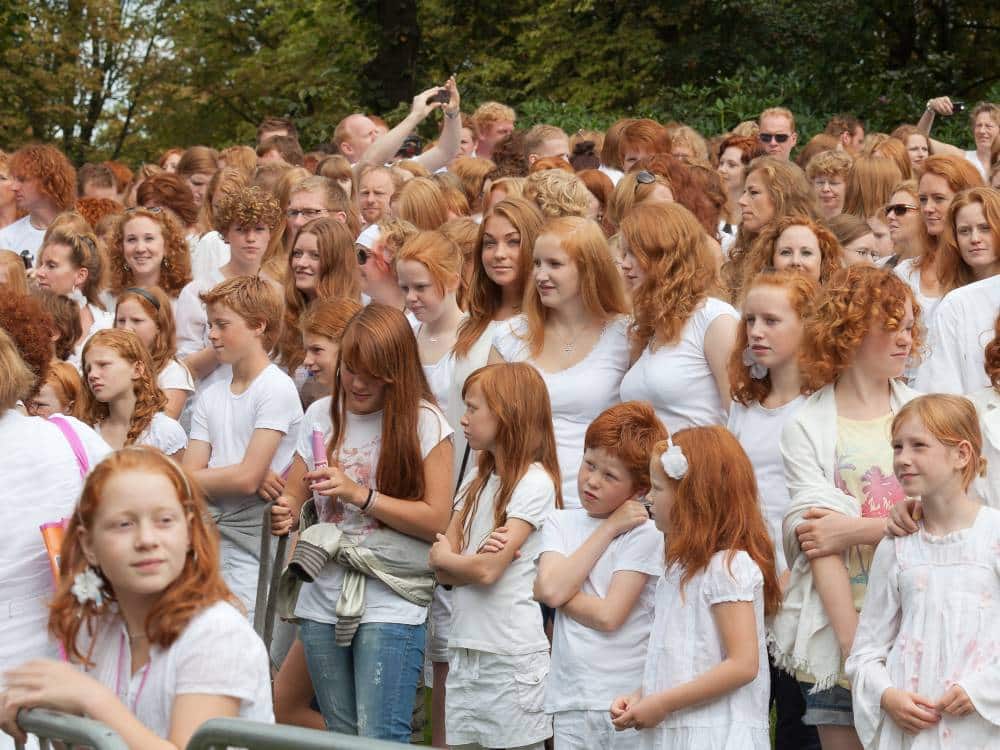
A new genetic study shows that human evolution has remained active over the past 10,000 years, with a noticeable increase in traits such as redheads among populations in West Eurasia.
Researchers analyzed about 16,000 ancient and modern human genomes and identified nearly 500 gene variants shaped by natural selection. The findings challenge the long-standing belief that recent human evolution has been limited. Instead, they show that genetic changes continued gradually over time, even in relatively recent history.
New method reveals long-term genetic changes
The study, published in Nature, used a statistical method called AGES (Ancient Genome Selection) to track genetic changes over roughly 18,000 years. This approach allowed scientists to separate the effects of natural selection from other evolutionary processes and detect subtle but consistent shifts in gene frequency.
Ali Akbari, the study’s lead author, said the method enables researchers to observe how natural selection shapes human biology over time, rather than relying only on patterns found in present-day DNA.
Red hair and key traits become more common
Among the 479 gene variants identified, about 60% are linked to traits seen in people today. Some of the most strongly selected genes are associated with lighter skin tone, red hair, resistance to HIV and Hansen’s disease, and the B blood group.
The rise in lighter skin pigmentation is likely linked to improved vitamin D production in regions with limited sunlight. However, the increase in red hair remains less clear. Researchers suggest the trait itself may not have been directly beneficial. Instead, it may be linked to other genetic changes that offered an advantage.
Gingers have good genes.
Human evolution is moving apace faster than we thought and fiery redheads are winning the race, says scientists.
“Aristotle believed red hair to be a sign of courage, while writers of the Middle Ages viewed it as an indication of wild passions.” pic.twitter.com/ypwgnvtGbM
— American Screed (@american_screed) April 17, 2026
The study also found genetic shifts linked to a lower likelihood of male-pattern baldness and a reduced risk of rheumatoid arthritis.
Farming reshaped evolutionary pressures
Researchers found that many genetic changes accelerated after the transition from hunting and gathering to farming. The shift to agriculture introduced new diets, denser populations, and greater exposure to disease, which likely influenced which traits became more common.
Some patterns were unexpected. For example, genes linked to celiac disease increased after wheat farming became widespread, suggesting that not all evolutionary changes were directly beneficial in simple terms.
Selection patterns changed over time
The findings show that natural selection did not act in a constant direction. Some traits increased in frequency for a period and later declined as conditions changed.
Genes linked to susceptibility to tuberculosis rose for several thousand years before decreasing around 3,500 years ago. A similar trend appeared for genes associated with multiple sclerosis, which increased until about 2,000 years ago and then declined.
Researchers say these shifts likely reflect changes in environment, disease exposure, and lifestyle over time.
Findings point to global evolutionary patterns
The research involved collaboration with hundreds of archaeologists and anthropologists. The team has made its data and methods publicly available so other scientists can build on the work.
Early results from a related study in East Eurasia show similar patterns, suggesting that natural selection has remained active across different human populations. Researchers say expanding this work globally will help explain how local environments, diets, and climates shaped human biology over time.


