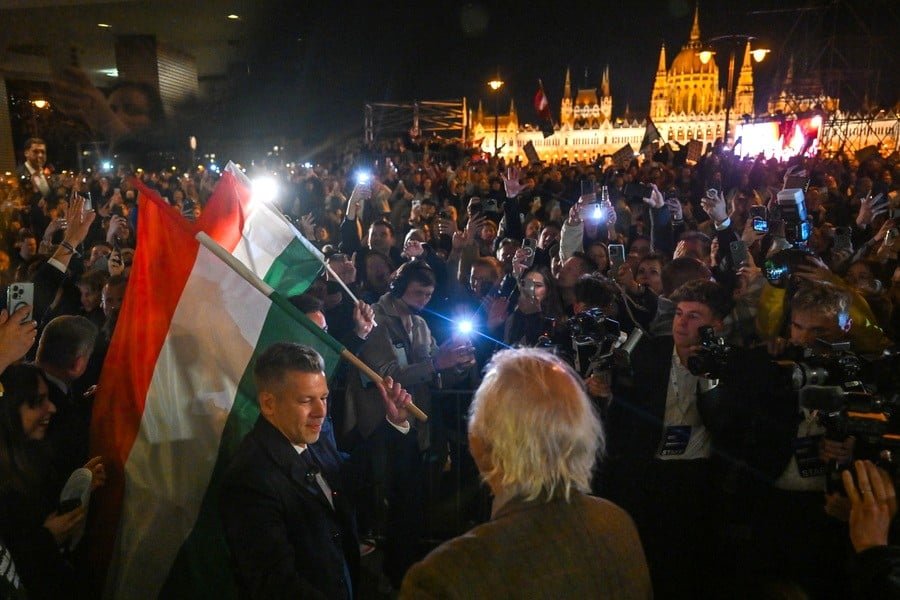
Hungary’s 2026 parliamentary election has marked a decisive turning point in the country’s political landscape, ending the long tenure of Prime Minister Viktor Orbán and bringing opposition leader Péter Magyar to power. Drawing on the information from the provided sources, the result reflects both domestic dissatisfaction and broader implications for Europe.
Background and Context
For more than a decade and a half, Orbán and his party, Fidesz, dominated Hungarian politics, shaping institutions and pursuing policies often described as nationalist and increasingly at odds with European Union norms. Over time, criticism grew both inside and outside Hungary regarding issues such as media freedom, judicial independence, and the concentration of political power.
In the lead-up to the election, economic concerns also played a key role. Rising inflation, stagnating living standards, and frustration with public services contributed to a sense of discontent among voters.
At the same time, Péter Magyar, a relatively new political figure and former insider, emerged as a central challenger. His movement, the Tisza party, positioned itself as a reform-oriented alternative, aiming to attract a broad coalition of voters from across the political spectrum.
Record Turnout and Election Outcome
The election saw exceptionally high participation, with turnout reaching levels not seen since the end of communism. This strong voter engagement was widely interpreted as a sign of the election’s importance and the public’s desire for change.
Preliminary results showed a clear victory for the opposition. The Tisza party secured a significant share of the vote, far ahead of Fidesz, and was projected to win a substantial majority in parliament.
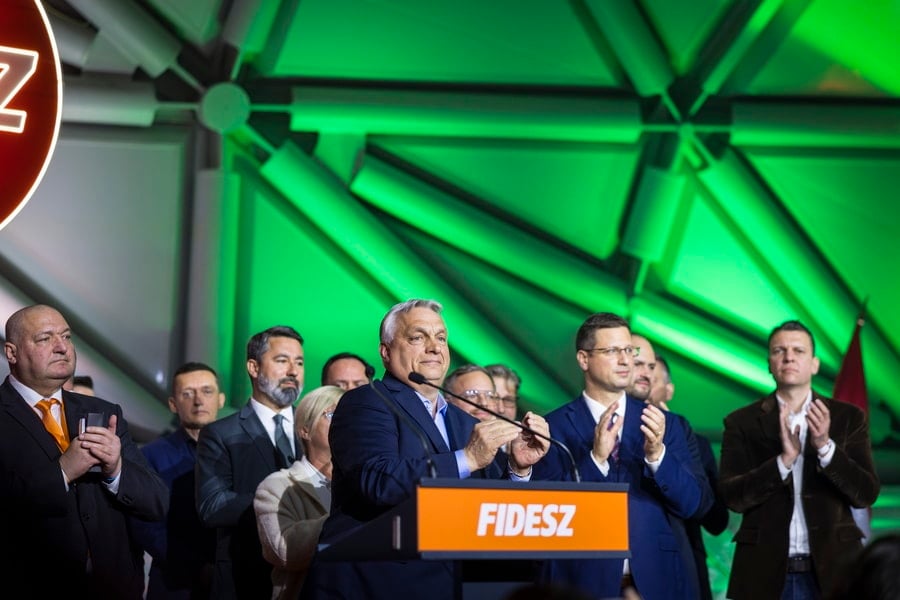
Orbán conceded defeat shortly after polls closed, acknowledging what he described as a “clear” and “painful” result.
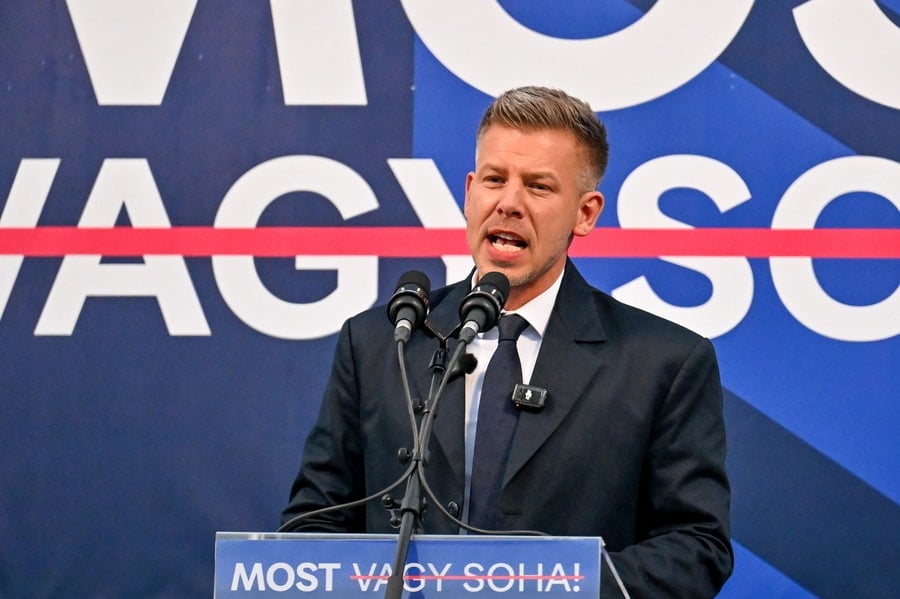
Magyar, addressing supporters, framed the outcome as a major political shift, emphasizing unity and change after years of entrenched governance.
International Reactions
Most beszéltem Magyar Péterrel, hogy gratuláljak neki a magyarországi győzelméhez!
Franciaország üdvözli a demokratikus részvétel győzelmét, a magyar nép ragaszkodását az Európai Unió értékeihez, valamint Magyarország európai elkötelezettségét.… pic.twitter.com/GXBxreTMSs
— Emmanuel Macron (@EmmanuelMacron) April 12, 2026
International reactions followed quickly after the results were announced. The President of the European Commission, Ursula von der Leyen, described the outcome as a sign that Hungary is returning to a more European path, while the French President, Emmanuel Macron, said the result showed the importance of democratic participation. Other European leaders also welcomed the result, expressing hope for closer cooperation and a renewed sense of unity within the European Union.
Hungary has chosen Europe.
Europe has always chosen Hungary.
A country reclaims its European path.
The Union grows stronger.
Magyarország Európát választotta.
Európa mindig Magyarországot választotta.
Egy ország visszatér az európai útjára.
Az Unió erősebbé válik.
— Ursula von der Leyen (@vonderleyen) April 12, 2026
Key Factors Behind the Result
Several factors appear to have contributed to the outcome. Economic dissatisfaction played a central role, with many voters prioritizing issues such as wages, healthcare, and cost of living.
In addition, concerns about governance and institutional integrity influenced public opinion. Critics of the previous government pointed to long-term changes in Hungary’s political system that they viewed as weakening democratic checks and balances.
Magyar’s campaign also succeeded in mobilizing younger voters and uniting previously fragmented opposition forces, which had struggled in earlier elections.
Domestic and International Implications
The election result is expected to have significant consequences both within Hungary and across Europe. Domestically, a strong parliamentary majority could allow the new government to pursue institutional reforms, potentially revisiting constitutional changes made during Orbán’s tenure.
At the European level, the shift may lead to a recalibration of Hungary’s relationship with the European Union. Under Orbán, Hungary often clashed with EU institutions and blocked key initiatives. A new leadership could adopt a more cooperative approach, particularly on issues such as financial support and regional security.
The result also has geopolitical implications. Hungary had been seen as one of Russia’s closest partners within the EU, and a change in leadership may alter that dynamic.
Orbán and Putin
Another key aspect of Hungary’s foreign policy under Viktor Orbán was his relatively close relationship with Vladimir Putin. Unlike most European Union leaders, Orbán maintained regular contact with Moscow and often took a more cautious stance on sanctions against Russia, particularly after the war in Ukraine. This approach frequently put Hungary at odds with other EU member states.
With Péter Magyar now set to lead the government, analysts expect a potential shift toward a more aligned EU position, although the extent of any policy change remains uncertain
Challenges Ahead
Despite the scale of the victory, the incoming government faces considerable challenges. Managing the economy, addressing public expectations, and navigating a political system shaped by years of centralized control will not be straightforward.
Furthermore, even with a strong mandate, implementing reforms may encounter institutional and political resistance, particularly if elements of the previous system remain influential.