

Using laser-scanning technology, archaeologists have identified hundreds of ancient structures hidden beneath the dense canopy of Ecuador’s Andean Chocó rainforest, revealing a sprawling pre-Hispanic landscape far larger than previously recorded.
The Metropolitan Institute of Heritage (IMP) announced that the use of LiDAR (Light Detection and Ranging) in the commune of San Francisco de Pachijal has transformed the understanding of the region’s history.
While initial ground surveys registered only 40 mounds and 10 terraces, the laser pulses, which penetrate thick vegetation to map the ground surface, uncovered more than 200 mounds and 100 terraces covering approximately 600 hectares.
Archaeologists have attributed the complex to the Yumbo culture, a society known to have occupied the northwestern Andes before the arrival of the Spanish.
Lasers uncovered the ancient structures in Ecuador’s rainforest
The discovery, which concluded its field phase in late December 2025, provides clear evidence of sophisticated environmental modification. Juan Jijón, a consultant archaeologist for the IMP, noted that the site features circular and rectangular structures interconnected by a network of ancient roads, known as calzadas.
“The structures suggest a carefully planned settlement pattern linked to productive, social, and ceremonial activities,” Jijón said.

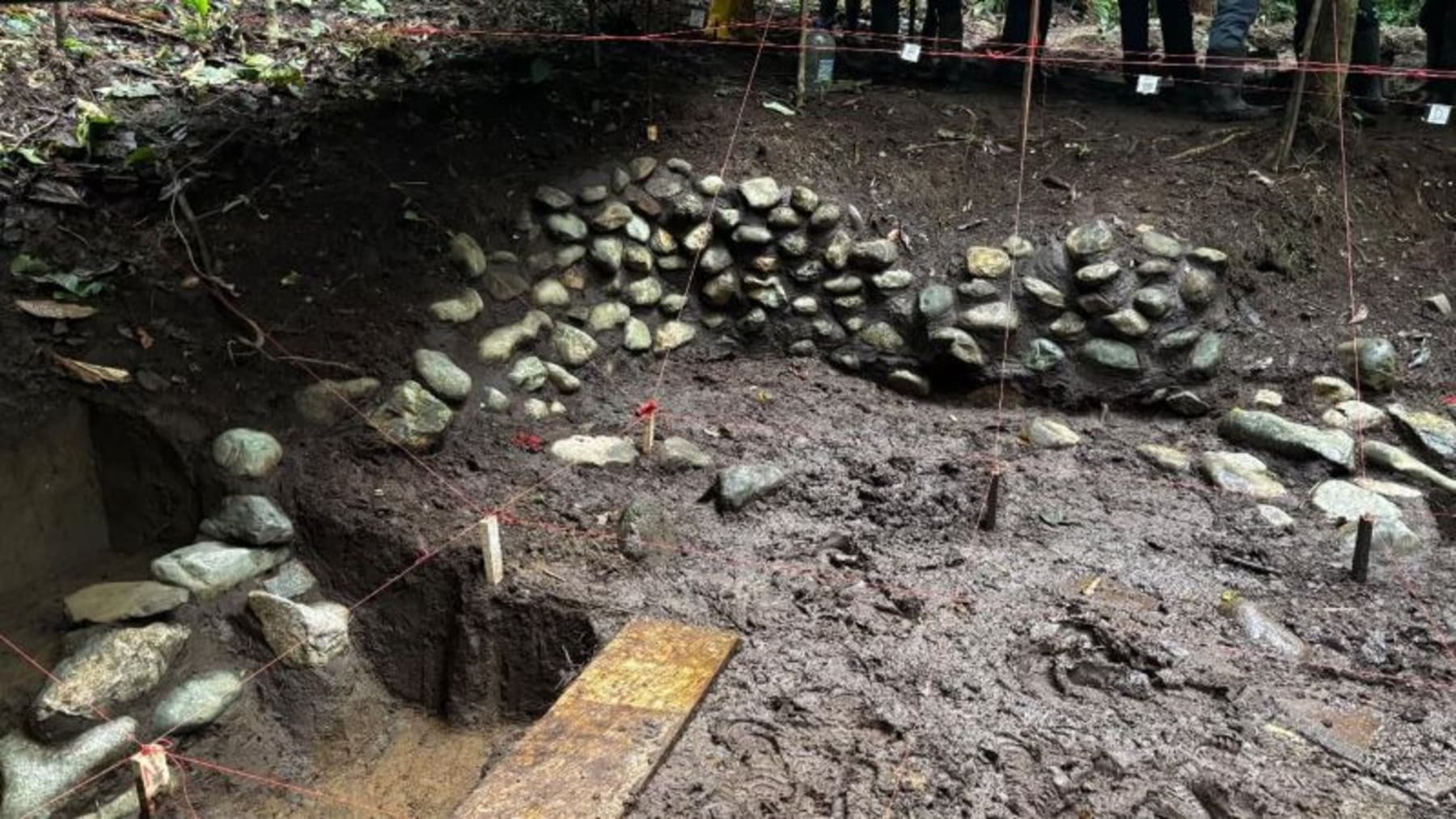
One of the most significant findings is a sunken rectangular structure located just meters from the San Francisco River. The feature includes stone walls, a possible entrance, and a sophisticated drainage channel for water evacuation, elements that point to advanced hydraulic knowledge.
These architectural traits are similar to those found at the Tulipe Archaeological Complex in the nearby parishes of Gualea and Nanegalito.
More structures may still be hiding in the area
The scale of the find is particularly notable because the 600 hectares surveyed represent only two percent of the 280,000-hectare Andean Chocó region. Researchers believe this suggests the existence of one of the most extensive pre-Hispanic landscapes in northwestern Ecuador.
For the local community, the discovery validates long-standing oral traditions. Ángel Miranda, a local landowner in San Francisco de Pachijal, said his parents and grandparents were aware of the vestiges.
“It is our history, that of the Yumbos, that of Quito,” Miranda said. “It fills us with pride and commits us to safeguarding the territory.”
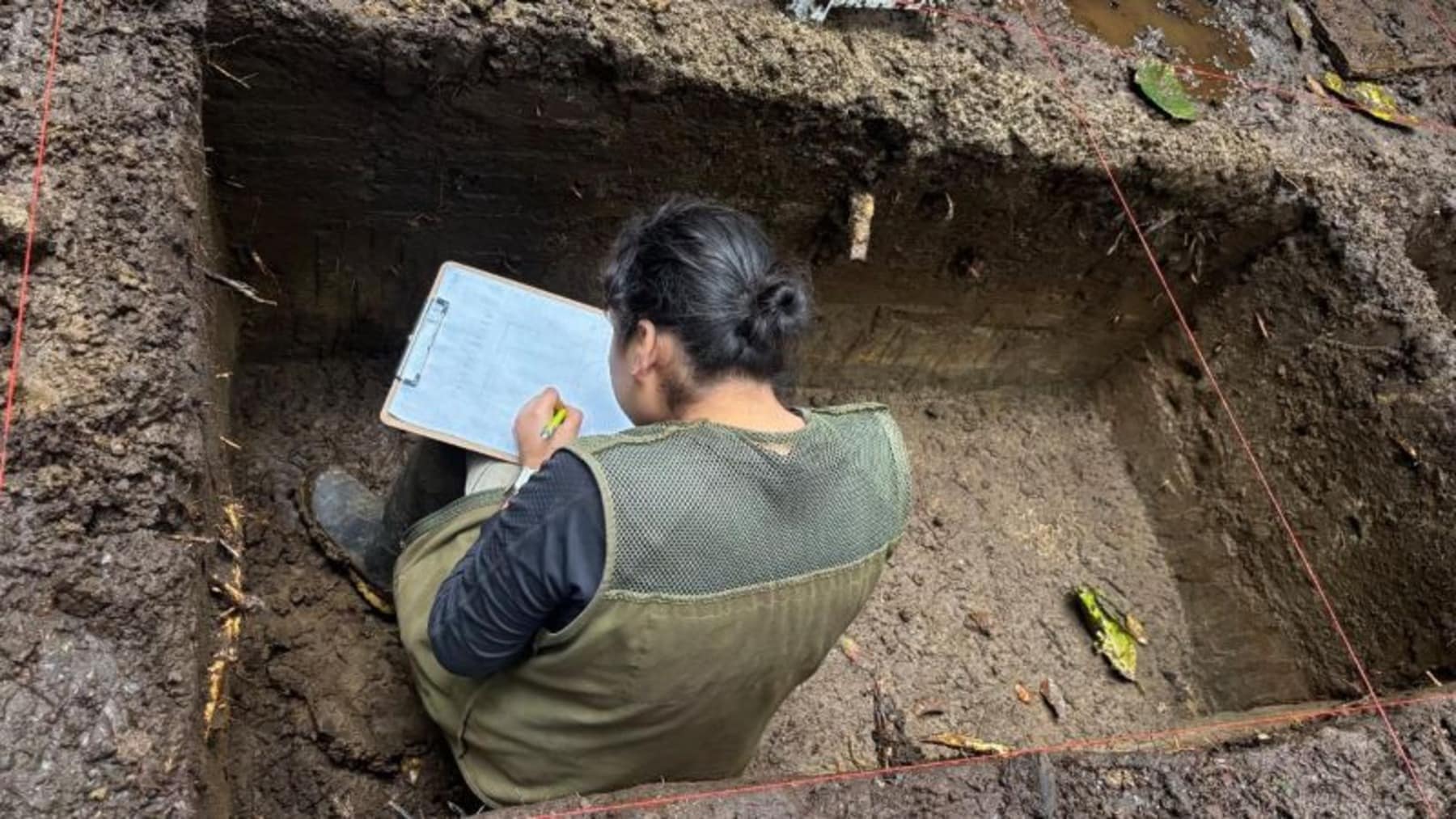
According to IMP archaeologist Dayuma Guayasamín, the project now moves into a laboratory phase to analyze materials and evidence recovered during excavation. The final technical report will be used to establish legal protections for the site and to integrate the findings into Quito’s broader cultural heritage.


