A new study from the University of Cambridge places humans between meerkats and beavers when it comes to monogamous mating behavior. The research, which compares full- and half-sibling rates across 11 socially monogamous mammal species, found that humans have a 66 percent rate of full siblings—higher than meerkats but slightly lower than beavers.
The study, published in Proceedings of the Royal Society B: Biological Sciences, uses genetic and ethnographic data to estimate reproductive patterns. Meerkats showed a 60 percent rate of full siblings, while beavers ranked at 73 percent.
These figures suggest that while humans may not top the list, they show a strong tendency toward long-term pair bonding, at levels closer to these animals than to many other primates.
Sibling ratios offer new clues about monogamous behavior
Dr. Mark Dyble, an evolutionary anthropologist from Cambridge’s Department of Archaeology, developed a computational model to calculate monogamy levels by analyzing sibling ratios.
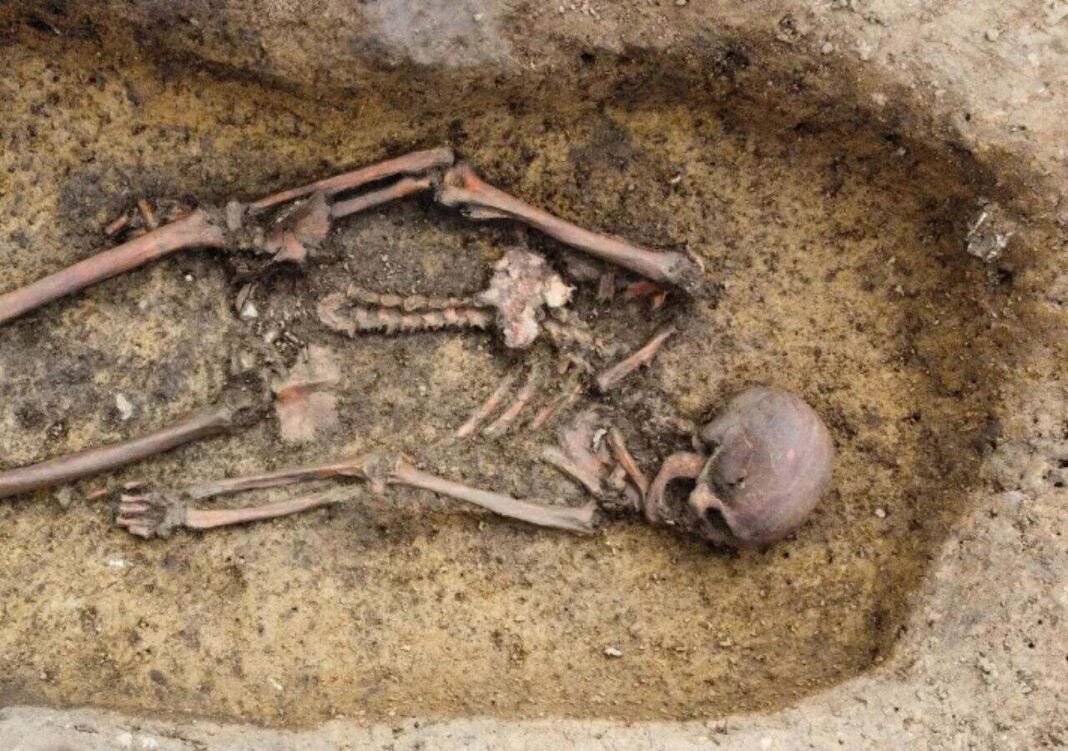
His method draws on genetic data from ancient burial sites, such as those in Bronze Age Europe and Neolithic Anatolia, alongside ethnographic records from 94 diverse human societies.
Dyble explained that species with higher rates of full siblings are typically more monogamous, while those with more half-siblings tend to follow polygamous or promiscuous mating systems.
In humans, the rate of full siblings overlaps with other mammals considered socially monogamous, strengthening the view that monogamy plays a central role in human mating patterns.
Where humans, meerkats, and beavers stand in the monogamy spectrum
He added that the evolutionary path to monogamy in humans is particularly rare. Unlike most mammals, which evolved monogamy within small family units or hierarchical groups, humans developed it from non-monogamous, group-living structures.
This kind of shift is also seen in species like wolves and foxes, which show moderate full-sibling rates due to their cooperative parenting behavior.
Among primates, the moustached tamarin ranked highest with a 78 percent full-sibling rate. The white-handed gibbon, with a rate of 63.5 percent, came closest to humans and was the only other monotocous species studied, producing one offspring per pregnancy. In contrast, chimpanzees and gorillas showed significantly lower rates at 4 and 6 percent, respectively.
Top and bottom performers in the monogamy table
At the top of the monogamy chart is the California deermouse, which forms lifelong pairs and scored a perfect 100 percent. At the bottom is Scotland’s Soay sheep, where mating is highly promiscuous and full siblings account for just 0.6 percent.
Dyble emphasized that his study focuses on reproductive monogamy rather than sexual behavior. In humans, cultural practices and birth control often separate mating from reproduction.
He noted that the diversity in human relationships, from serial monogamy to polygamy, still results in high levels of parental investment across different family structures.