Rome’s leaders did not just rule with armies and laws. A new study argues they also ruled by controlling food markets of the Roman Empire, using purpose-built market buildings to watch sales, protect money, and collect revenue.
The research, published in the Journal of Roman Archaeology, focuses on the “macellum,” a walled, inward-facing market that became a familiar feature of Roman towns. Scholars have long treated these buildings as upscale places where the wealthy bought delicacies. The study challenges that view. It says the macellum worked first as a control system in a growing, coin-driven economy.
Ancient historian Livy describes a fish market in Rome that burned in 210 B.C. He then says censors rebuilt it in 209 B.C. and calls it a macellum. The author of the new study reads that shift in language as more than a rename. It may point to a new kind of market, designed to be enclosed and supervised.
Built for oversight, not just shopping
The word macellum likely came from a Greek term: μάκελλον, linked to enclosure. That matters, the study says, because walls change what officials can do. An open commercial forum can turn chaotic. An enclosed market can limit entry points, secure goods and money, and make it easier to monitor buying and selling.
The timing also matches a major financial change. Rome introduced the denarius system in 212 B.C., including smaller denominations used for daily shopping. As coins spread, officials had stronger reasons to control where transactions happened and how payments flowed. The study argues that a permanent market near the city’s political center offered a practical solution.
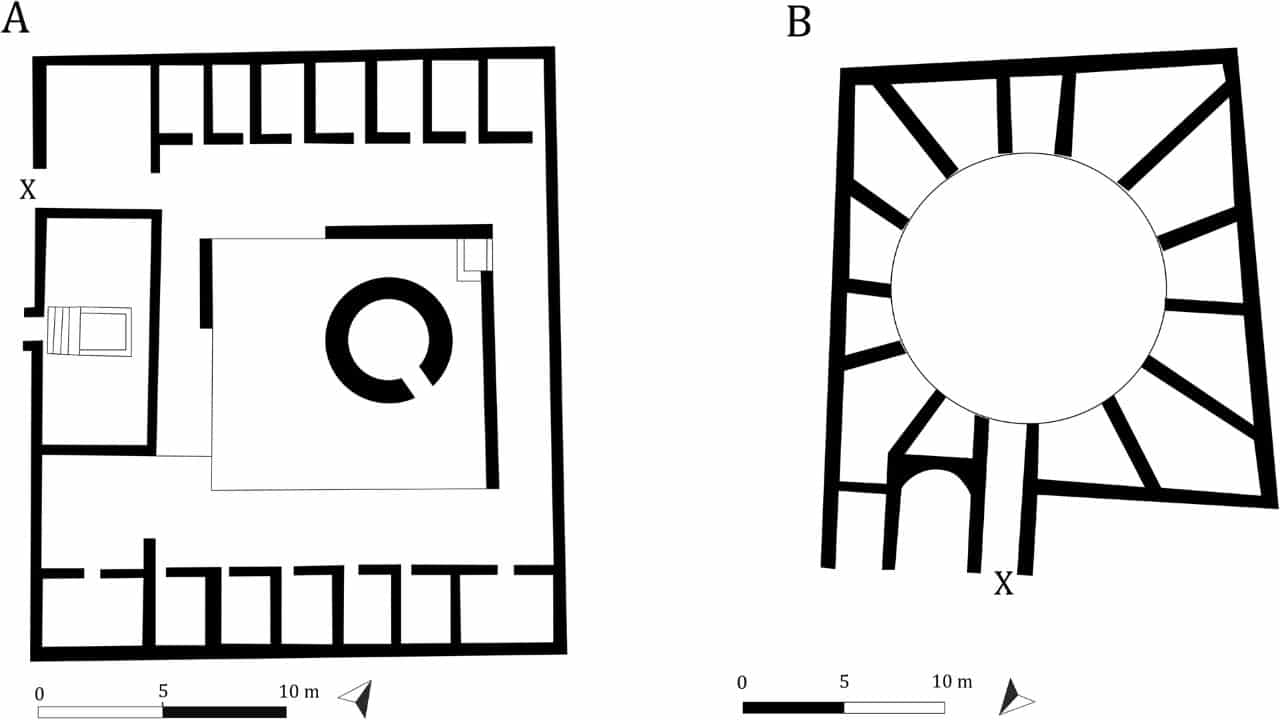
Archaeology supports the idea that many macella controlled movement. At Morgantina in Sicily, an early macellum had a single narrow entrance and evidence for a strong locking system, according to the study. Other sites show similar patterns, with corridors and gates that made access easy to supervise.
Some markets used stairs that kept carts out, which meant vendors carried goods in by hand. That design may have helped officials track what entered the building and reduced opportunities for theft or unrecorded sales.
Price stories from Rome may mislead
Older interpretations often leaned on Roman literary accounts of extreme prices, especially for prized fish like red mullet. Writers described elites paying huge sums, and emperors responding with price checks and restrictions.
The study says those stories likely highlight rare cases. It also notes that they come from the empire’s biggest city, where the richest consumers were concentrated. Using Rome alone to define all macella can distort what happened in smaller towns, the author argues.
Bones and fish remains tell a wider story
The study points to zooarchaeology — the study of animal remains — as a better way to test who these markets served. Excavations in several towns have produced butchery waste and bones linked to market activity.
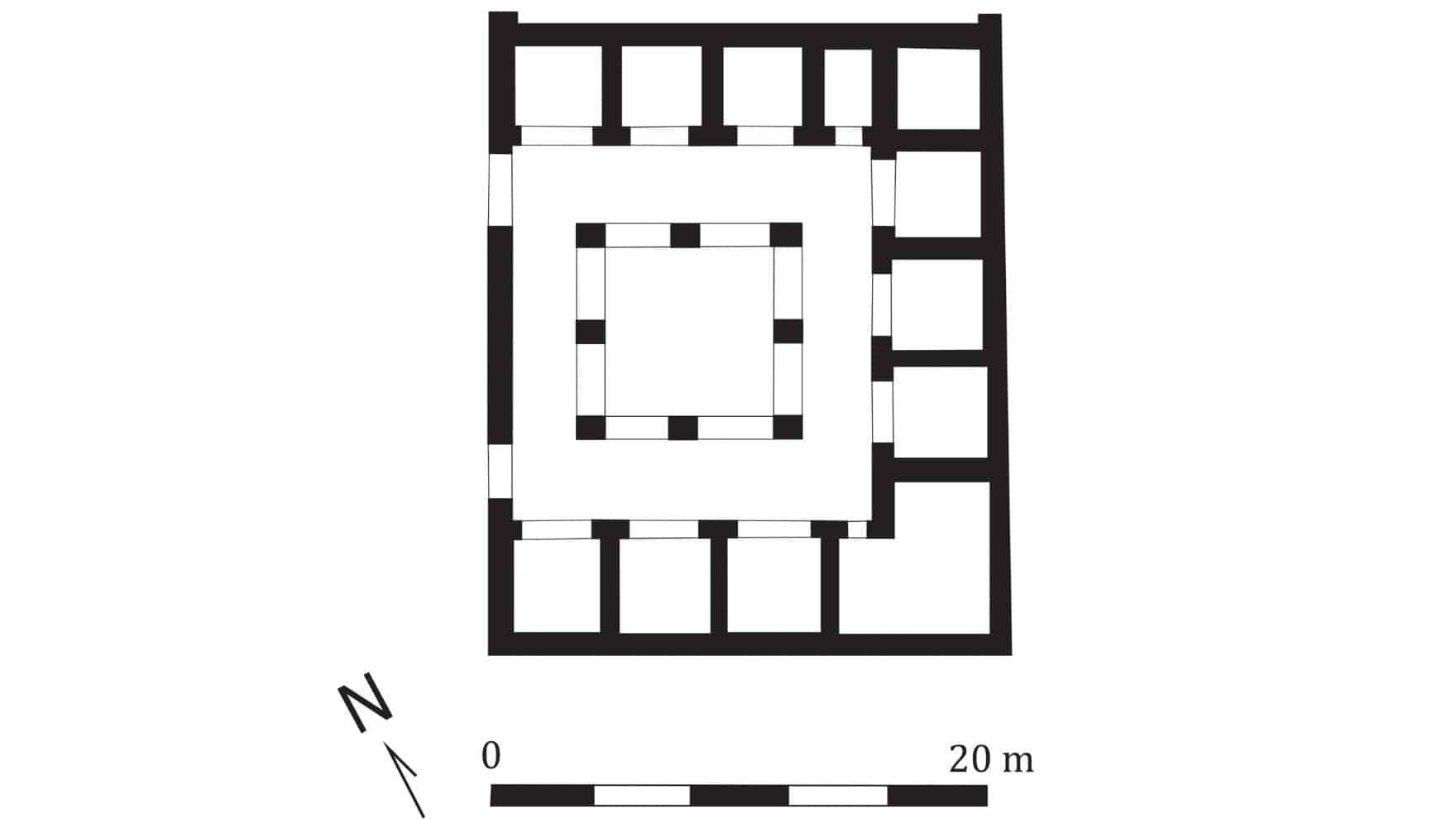
In Viroconium, modern Wroxeter in Britain, thousands of bone fragments near a macellum came mostly from cattle. Many animals were slaughtered at mature ages, not as young, premium cuts tied to luxury dining. That pattern fits local farming, where cattle worked first and provided meat later. It also suggests shoppers did not always demand elite-grade meat.
In the Spanish town of Colonia Ituci Virtus Iulia, bone dumps outside the market show a heavy reliance on cattle and later a shift toward sheep and goats. Wild game appeared rarely. The study notes that later Roman price rules treated beef, sheep, and goat as cheaper than pork, which may hint at ordinary buying habits.
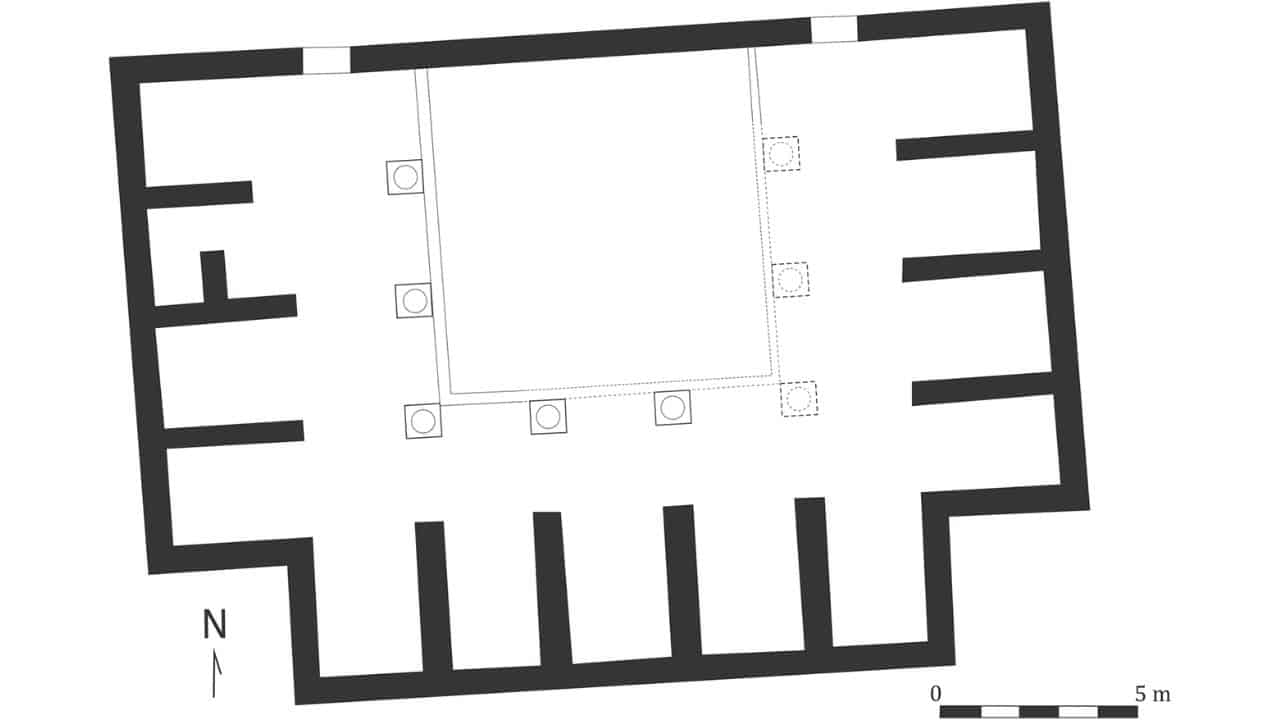
At Iruña-Veleia in northern Spain, systematic recovery methods produced thousands of fish bones from more than two dozen species. Marine fish appeared, but freshwater fish rose sharply over time. High-value species showed up only in small amounts. The study reads that mix as a sign that the market served people across social levels, with cheaper options alongside costly ones.
Coins, scales, and the machinery of control
The study also argues that Macella helped cities manage money. Unlike many private shops, these markets were municipal property. Officials such as aediles and other local magistrates oversaw weights, measures, quality, and prices.
Inscriptions from towns in the western provinces describe checks on measurements and market order. A later imperial price edict stressed the need for “a fair and fixed price” in market sales, according to the study, showing how authorities tried to shape everyday transactions.
Revenue and regulation went together
Tax and rent may have mattered as much as order. Ancient references suggest market taxes existed in Rome at times. Elsewhere, inscriptions point to leased stalls and income-generating spaces inside markets.
The author argues that an enclosed building made tax collection and rental management easier, turning food trade into a steadier civic revenue stream. In that sense, macella were not only civic improvements. They were strategic investments that strengthened local finances and administrative reach.
A gap in the archaeological record
The study ends with a caution. Archaeologists have identified many macella, but excavation reports often ignore animal remains or lack detailed analysis. Better sampling could clarify what people bought and how these markets worked day to day.
Even so, the argument is direct: the macellum was more than a place to shop. It was a tool of governance. In a world where power depended on supply, money, and order, controlling the market helped Rome control the city.