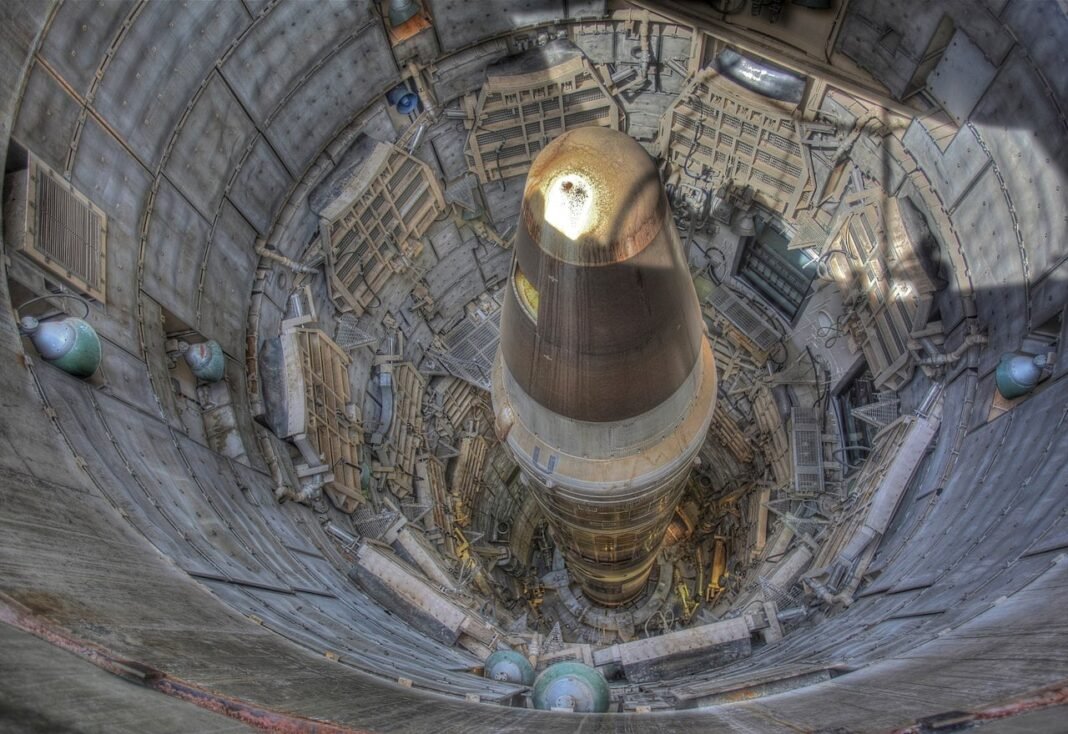
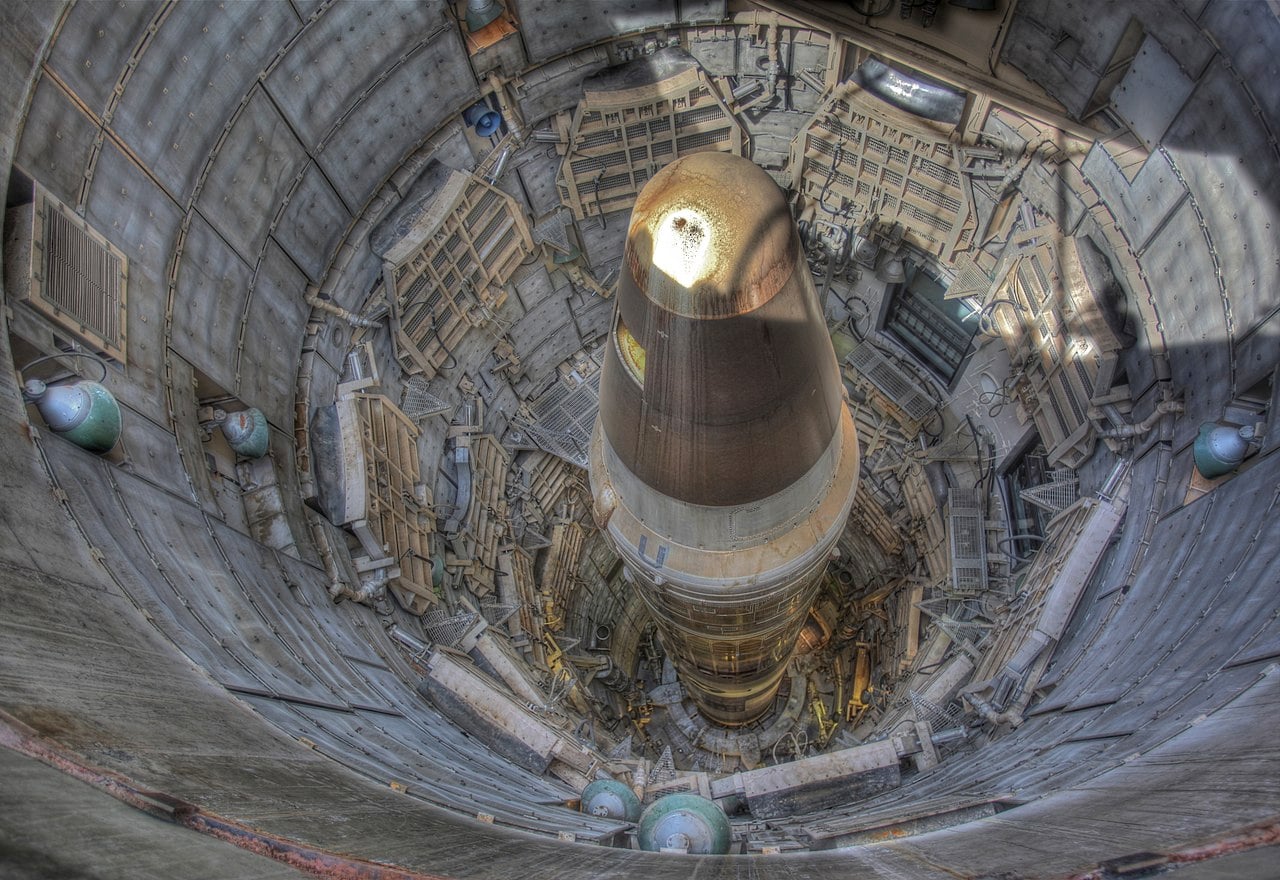
The global nuclear arms control system is approaching a turning point as the last active New START pact, placing limits on US and Russian strategic arsenals, reaches its end date on February 5.
If no last-minute political arrangement is reached, the two largest nuclear powers will, for the first time in about five decades, operate without binding numerical restrictions on deployed strategic warheads and their delivery systems.
The moment represents more than a routine treaty sunset. It signals a structural break in the arms control architecture that has underpinned strategic stability since the late Cold War period.
Immediate strategic consequences of the nuclear pact New START
With the New START framework lapsing, Washington and Moscow will no longer be legally bound by agreed ceilings on deployed warheads and launchers. Security analysts warn this could open the door to a new phase of strategic competition, reflected not only in arsenal size but also in force posture, deployment choices, and modernization tempo.
Transparency will also be reduced. The treaty established verification mechanisms including on-site inspections, regular data exchanges, and advance notifications. These measures helped narrow uncertainty and allowed each side to better assess the other’s capabilities and intent. Without them, threat evaluations will depend more heavily on national intelligence collection rather than cooperative monitoring.
Verification already weakened
Even before the formal expiration date, the treaty’s oversight system had been under strain.
In 2023, Russia halted participation in key inspection and compliance procedures, pointing to escalating confrontation with Western governments and US support for Ukraine.
That decision significantly limited reciprocal monitoring and weakened practical verification well ahead of the deadline.
Arsenal size down, modernization up
Over several decades, total global nuclear warhead inventories have dropped sharply from roughly 70,000 in 1986 to about 12,000 by 2025.
Yet numerical reductions have occurred alongside broad modernization efforts. Both the United States and Russia are upgrading delivery vehicles, command and control infrastructure, and warhead technologies.
China, meanwhile, has expanded its nuclear forces rapidly, more than doubling its stockpile over the past ten years, complicating the outlook for any future arms control framework.
Divided views on arms control
Arms control advocates in both countries argue that letting the treaty lapse will erode predictability and confidence. They maintain that verification and transparency provisions are as strategically important as numerical limits because they reduce miscalculation and crisis instability.
Opponents respond that such agreements constrain innovation and operational flexibility. They question enforceability and argue that strict limits can disadvantage parties that comply fully while competitors may not.
Calls for broader participation in Post-START nuclear arms control
Last year, President Donald Trump said that any future arms control structure should include China, and questioned the rationale for continued US and Russian nuclear expansion given their already overwhelming destructive capacity. He warned that a world in which newly built nuclear weapons become necessary would mark a deeply troubling milestone.
With New START ending, policymakers now face a central question: whether a broader, possibly multilateral replacement can be built or whether strategic competition will proceed without formal nuclear limits.