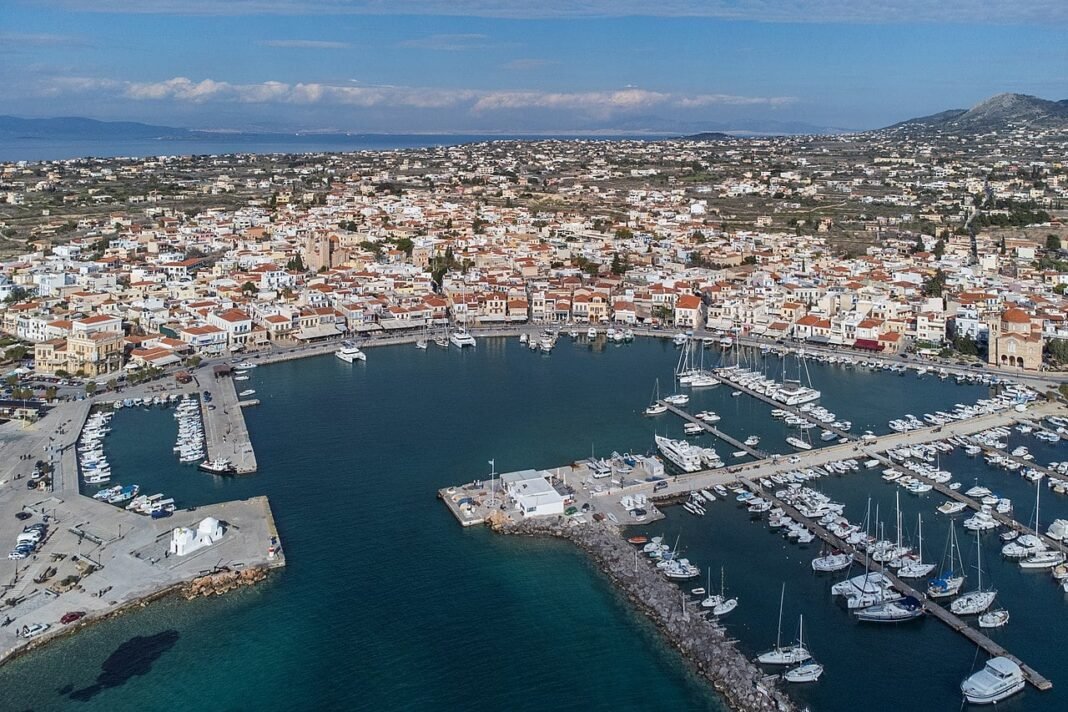
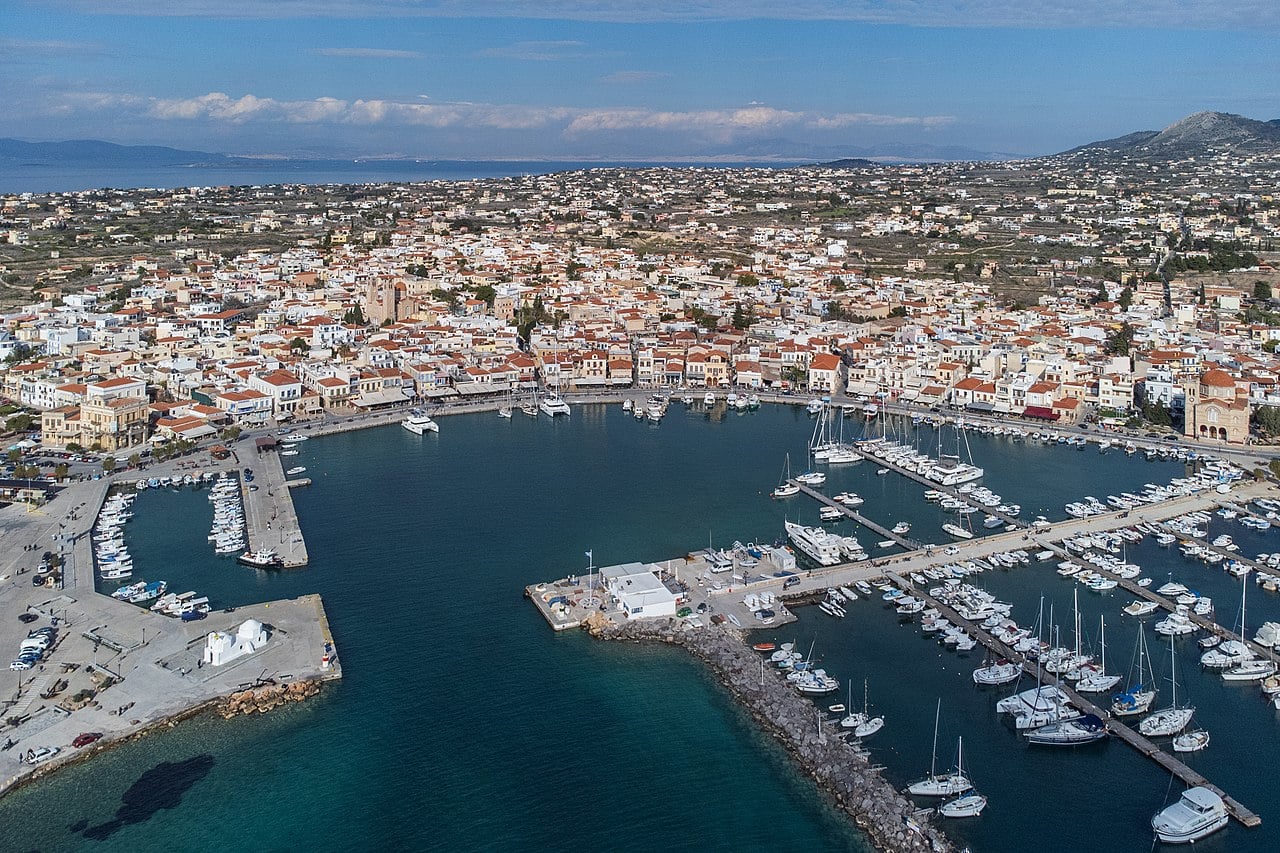
A major failure in the underwater pipeline supplying drinking water to Aegina, Greece, has triggered a formal emergency, leaving thousands of residents across the island without reliable access.
National civil protection authorities approved the municipality’s request for emergency status, unlocking fast-track procedures, special funding mechanisms, and rapid operational support to safeguard public health and stabilize the water supply. Authorities have also activated contingency measures, including tanker deliveries and bottled water distribution, while technical teams investigate the damage and prepare repair plans.
Greece’s Aegina water emergency status set for three months
Authorities placed the island of approximately 13,000 residents under emergency status through May 11, 2026. During this period, agencies can accelerate approvals, bypass lengthy administrative steps, and mobilize civil protection resources without delay. They can also fast-track financing for temporary water supply systems and infrastructure repairs for Aegina, located in the Saronic Gulf of Greece, in an attempt to provide some relief during the water emergency crisis.
Officials say the designation establishes a legal and operational framework for faster multi-agency coordination and continued delivery of essential services. In practice, it supports quicker contracting, faster transport deployment, and tighter operational control.
Cause of water emergency on Greece’s Aegina
The crisis began on December 17 when the underwater pipeline linking Aegina to Greece’s national water network suffered a major failure. Because the line serves as the island’s primary potable water source, the disruption immediately affected normal distribution.
Operators switched supply to older groundwater wells. However, residents soon reported serious quality concerns. Many said the water was unsuitable not only for drinking but also for personal hygiene. Reported effects included eye irritation and skin reactions, raising immediate health concerns.
Water tests confirm safety risks
Regional authorities in Greater Athens conducted chemical and microbiological tests on the substitute supply. Results showed elevated microbiological indicators and chlorine levels below minimum safety thresholds.
Based on these findings, authorities advised residents not to drink the water and warned that it may also be unsuitable for typical household uses. As a result, risk assessments escalated and emergency measures expanded.
Supply needs outpace emergency deliveries
Aegina typically requires roughly 4,000 tons of water per day for its residents. Current emergency operations cover only part of that demand. Tankers deliver about 1,000 tons daily with support from the regional government and the Hellenic Navy. In addition, authorities have distributed 60,000 bottles of drinking water to residents.
Officials stress that these measures provide temporary relief but cannot replace a fully restored pipeline supply.
Pipeline built as long-term fix
Construction of the damaged underwater pipeline was completed in early 2022 to provide a permanent solution to Aegina’s persistent water shortages. Previously, the island relied on transported water after local aquifer reserves had declined.
The pipeline runs about 14 kilometers (8.7 miles) and reaches depths of up to 90 meters (295 feet). The total project cost was €24.7 million ($29.4 million), funded through European regional development programs covering the 2014–2020 and 2021–2027 cycles.
Since it began, the pipeline has experienced multiple technical incidents. Authorities have attributed some of the earlier damage to suspected sabotage. Investigators are continuing to examine the current failure, while emergency measures to maintain the water supply remain in effect.