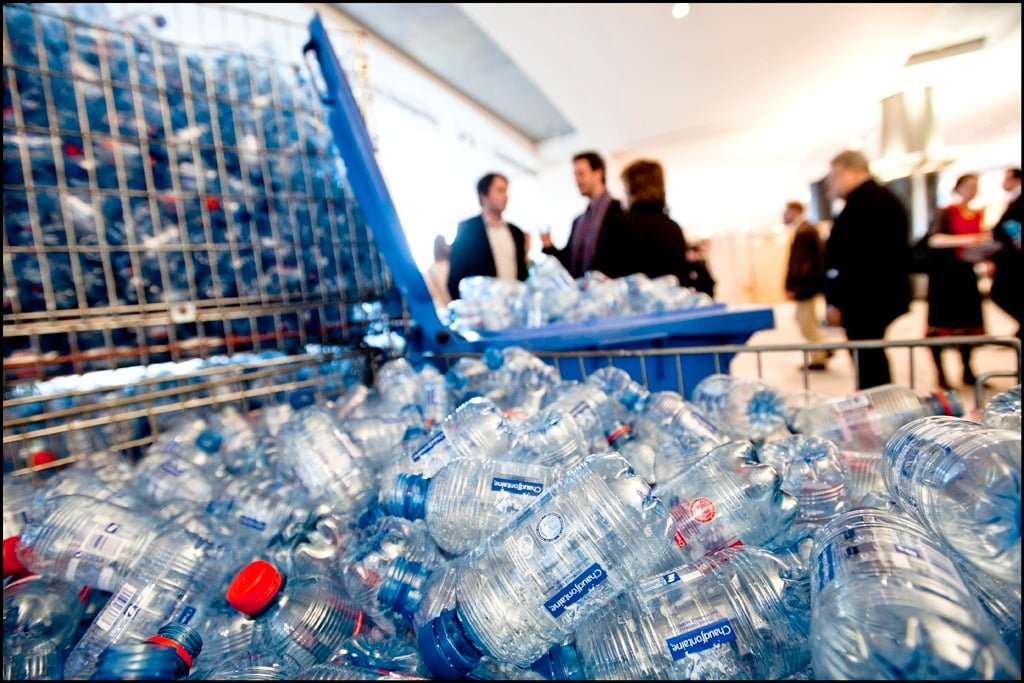

Greece is preparing to introduce a nationwide deposit-return system for plastic bottles and aluminum cans. Consumers will recover 10($0.11) or 15 euro($0.17) cents when they return eligible beverage containers.
The system received regulatory approval for DRS Hellas from the Hellenic Recycling Agency. The company plans to develop a nationwide network of 8,700 return points during 2027.
Consumers will pay a deposit when buying eligible drinks. They will recover the full amount when they return the empty container to an approved collection point.
How much will consumers get back?
The deposit will depend on the size of the container.
€0.10 ($0.11) for containers of up to 500 milliliters (16.9 US fluid ounces).
€0.15 ($0.17) for containers larger than 500 milliliters and up to 3 liters (101.4 US fluid ounces, or about 0.79 US gallons).
The deposit will appear separately from the product price. When consumers return an eligible container, they will receive a deposit receipt. They can use it toward purchases at participating stores.
The system does not offer an additional cash reward. Instead, it returns the deposit paid when the consumer bought the drink.
Which bottles and cans will be accepted?
The Deposit Return System (DRS) will cover single-use plastic and metal beverage containers with a capacity of up to 3 liters.
Eligible products will include bottled water, soft drinks, juices, energy drinks, beer and other covered beverages. Consumers should look for the DRS marking and deposit amount on the packaging.
The system will exclude glass containers, beverage cartons, and plastic or metal containers used for wine, spirits, milk and dairy products.
Containers must be empty and intact, with a readable barcode. This allows collection points to identify and record each returned item.
Greece plans 8,700 return points
DRS Hellas plans to establish 8,700 return points across Greece during 2027. These are expected to include supermarkets, selected retailers, public spaces and tourist areas.
Consumers will be able to return containers through automated reverse vending machines or at participating stores with manual collection points.
The plan calls for around 65% of the infrastructure to be installed when the system begins operating. The target is to collect at least 90% of covered containers separately by 2029.
The network will account for Greece’s islands, seasonal consumption and tourism. These factors affect how many containers people use and where collection points are needed.
How the deposit-return system works
Deposit-return systems already operate in several European countries. The principle is straightforward: consumers pay a deposit when buying a covered drink and recover it by returning the empty container.
The returned plastic and aluminum will be collected separately and sent for recycling. The materials can then serve as raw materials for new packaging.
DRS Hellas says it will reinvest available resources in the system’s operation and development. These activities include collection, transportation, sorting, digital infrastructure and consumer information campaigns.
The nationwide network is planned for development during 2027. Its success will depend on accessible return points and clear information about which containers qualify for a refund.