
Greece’s archaeological sites generated higher revenue in the summer of 2025, even as visitor numbers declined. Final figures from the Hellenic Statistical Authority (ELSTAT) show that a new pricing policy, introduced on April 1, 2025, was largely responsible for the boost in income despite the drop in attendance.
From June through August, overall foot traffic fell. However, higher ticket prices more than offset the decline. In June, visits dropped 3.4 percent year over year, while revenue surged 45.5 percent to €24.71 million ($28.6 million). The trend continued in July, when attendance posted the steepest drop of the season by 10.9 percent. Even so, receipts increased 29 percent to €21.83 million ($25 million).
In August, visitor numbers declined 5.4 percent compared with the same month in 2024. Nevertheless, income climbed 44.8 percent year over year, reaching €25.08 million ($29 million).
The Acropolis defies the trend
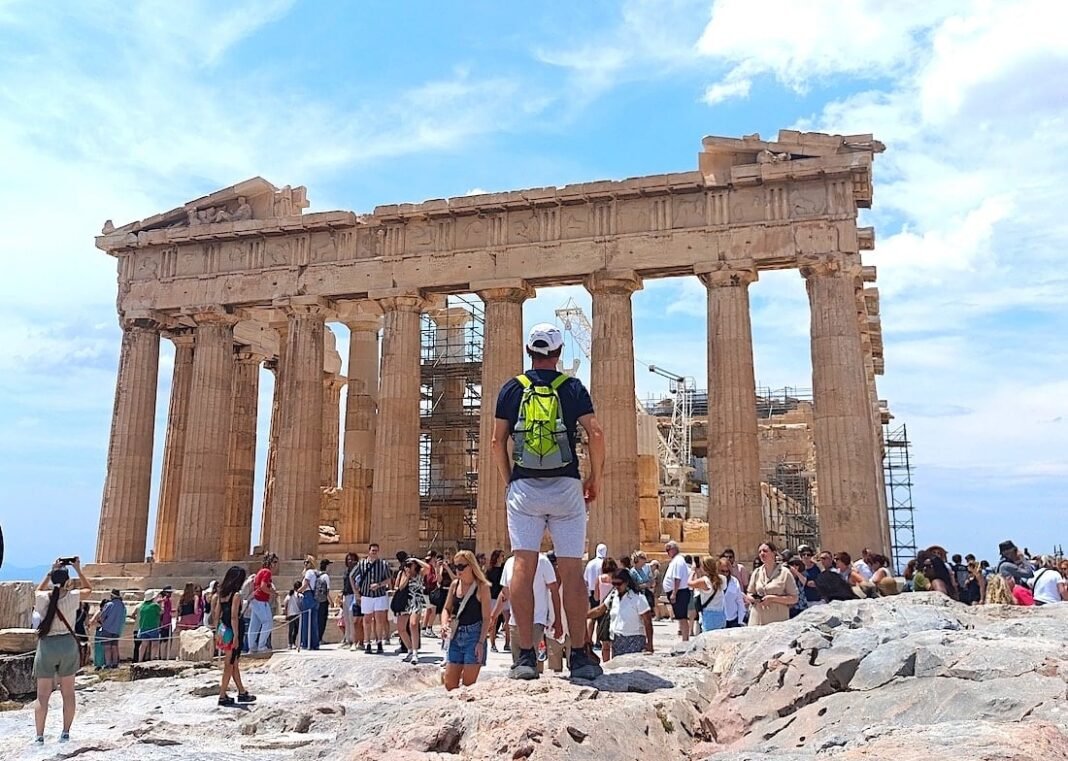
While many sites saw lower attendance, the Acropolis bucked the trend. The landmark welcomed 537,008 visitors in August, a 6 percent increase, while June arrivals reached 533,787, up 1.7 percent from the previous year.
By contrast, other major destinations struggled. The Acropolis of Lindos registered a drop of as much as 20 percent in July, while the ancient theater of Epidaurus also reported notable declines during the peak season.
Greece’s archaeological sites revenue signals structural shift
The divergence between attendance and earnings extended beyond the summer months. From January through October 2025, archaeological sites across Greece recorded 13,918,452 visitors, a 4.9 percent decrease compared with 2024. At the same time, total revenue rose to €161.24 million ($187 million), marking a 41.3 percent increase year over year.
All in all, ELSTAT’s figures point to a structural shift in Greece’s cultural tourism strategy. Rather than focusing solely on visitor volumes, authorities now appear to prioritize higher returns per visitor.
Over the ten-month period, the revised pricing model generated roughly €50 million ($58 million) in additional state income, even though fewer tourists passed through the country’s archaeological landmarks.