Greece officially inaugurated the newly restored Archaeological Museum of Argos, delivering a premier cultural landmark back to the region’s residents and visitors.
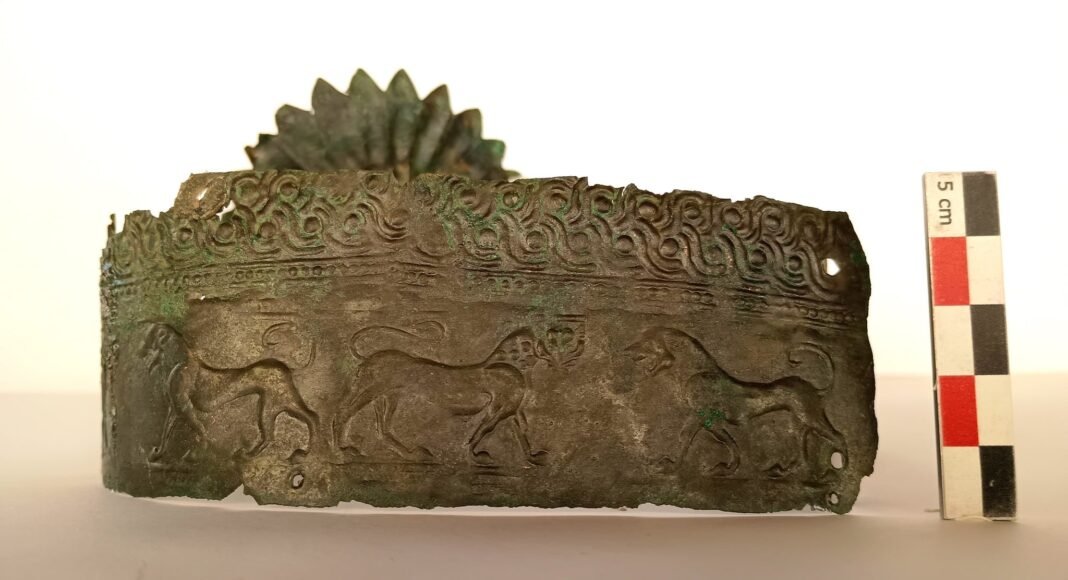
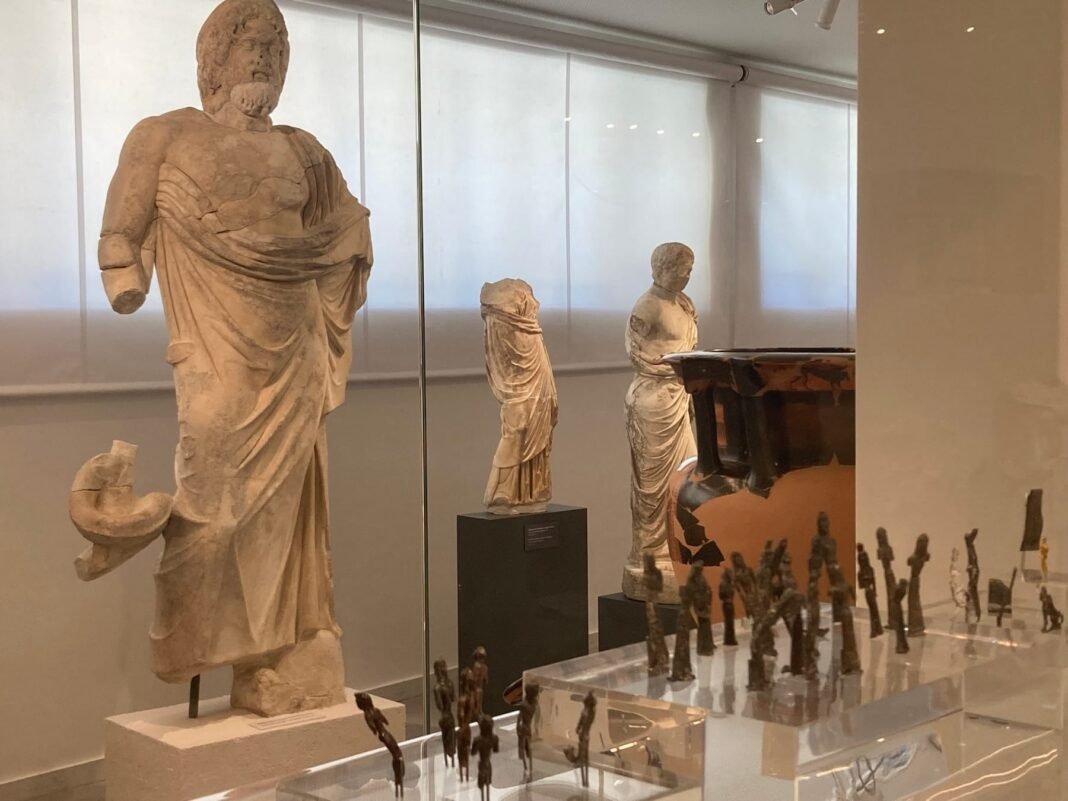
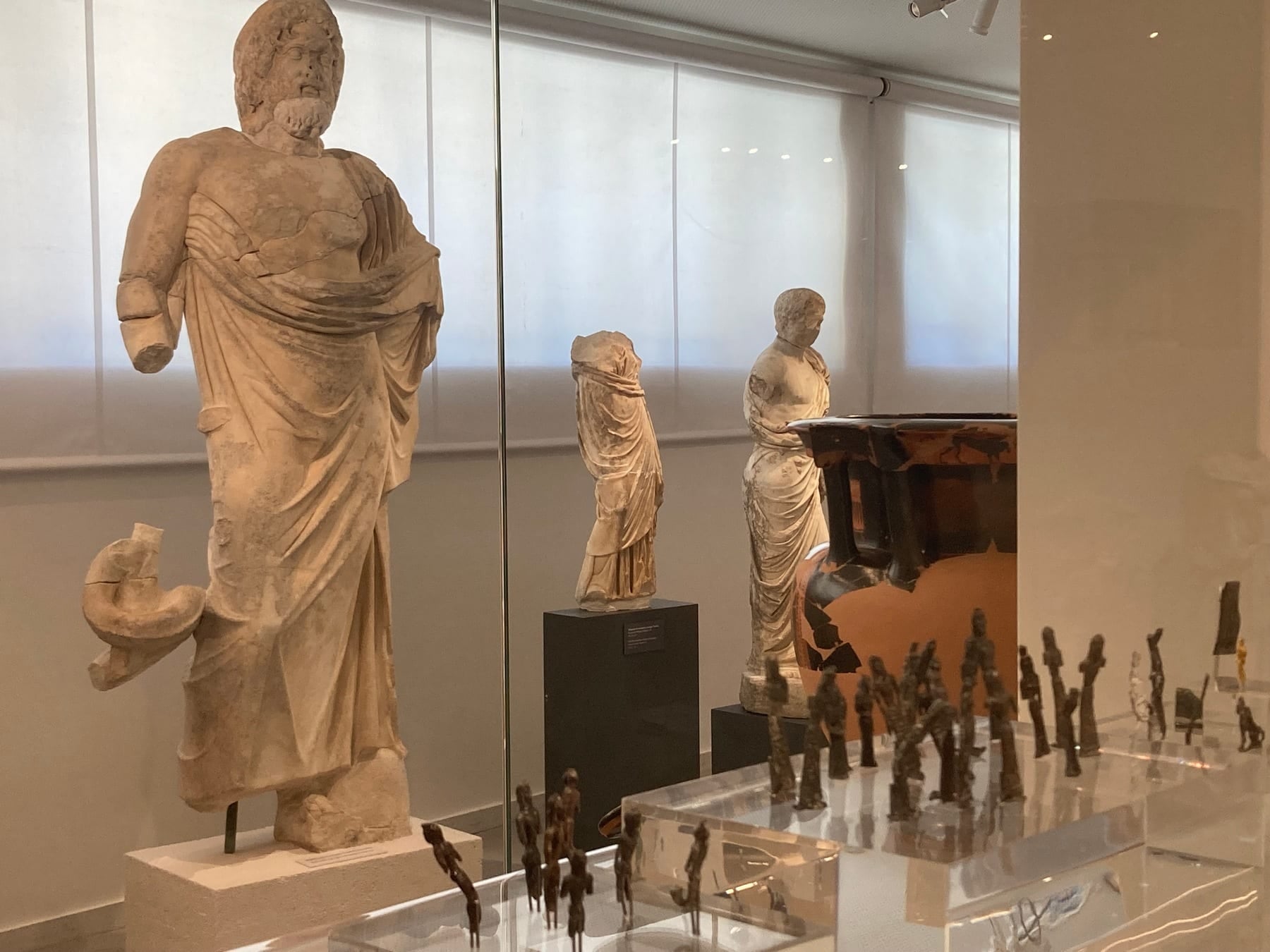
Closed since 2014, the fully modernized museum reopens after a complex structural expansion and upgrade. The exhibition area has more than doubled to 950 square meters, providing a state-of-the-art space to display rare and globally significant artifacts from iconic milestones of Mycenaean civilization.
Following the completion of the Argos Museum, the Ministry of Culture is moving forward to complete a local “museum trilogy”—comprising the Archaeological, Byzantine, and Epigraphic museums—by organizing an exhibition of ancient inscriptions at the Kapodistrias Barracks. Concurrently, plans are underway to restore the “Xenia” of Mycenae, an iconic modernist building set to be given new life and a cultural mission.
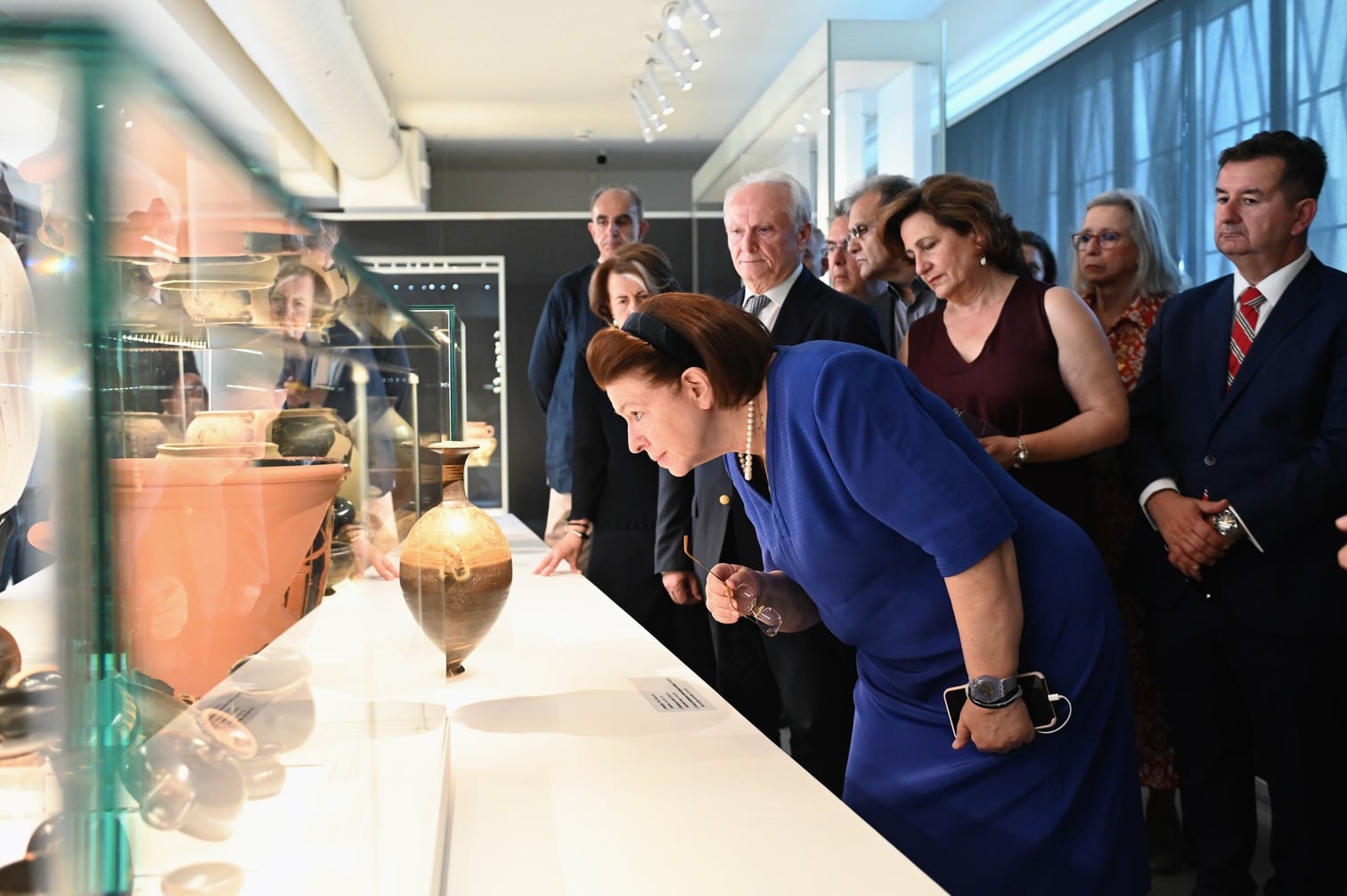
“The Archaeological Museum of Argos narrates the timeless history of a region at the very core of ancient Greek civilization. Argolis, with its three UNESCO World Heritage sites, and Argos, one of Europe’s oldest continuously inhabited cities, form a unique cultural unity, Minister of Culture Lina Mendoni stated.
“This is not just about restoring a building; it is about returning a living cultural infrastructure to society. It enhances the museum’s educational capacity, elevates the visitor experience, and unlocks new avenues for cultural tourism, directly driving local economic activity in Argolis. Culture is not a luxury—it is a fundamental social need and a vital tool for cohesion, education, and progress,” she added.
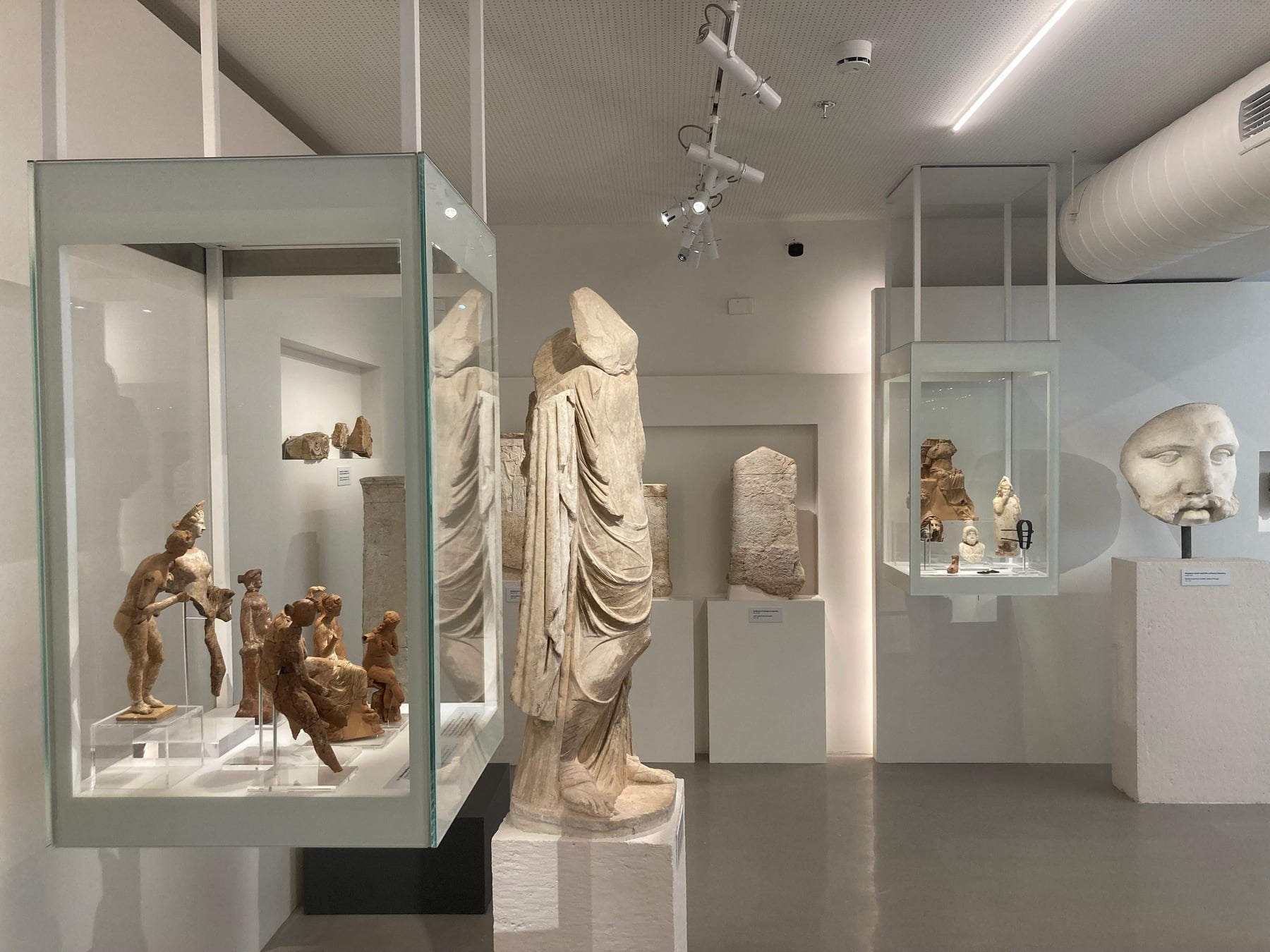
A centerpiece of the museum features nine ancient vases recently returned to Argolis from Budapest. The antiquities were illicitly removed from the Archaeological Museum of Argos between 1970 and 1992. Following a multi-year investigation, specialists at the Ministry of Culture successfully proved their Argolic origin, resulting in their official repatriation.
The reopening of the Archaeological Museum in the heart of the city—adjacent to the Byzantine Museum of Argolis and the upcoming Epigraphic Museum—creates a vibrant, walkable “Museum Quarter.”
Argos the capital of Argolis boasting three UNESCO World Heritage sites
This new cultural nexus serves as an urban gateway to an area of extraordinary historical depth. Argos sits at the center of a monumental landscape of global renown, anchored by neighboring Mycenae. Notably, Argolis is the only regional unit in Greece to boast three UNESCO World Heritage sites, highlighting the immense cultural weight the region carries for the Peloponnese and the nation as a whole.
The three UNESCO World Heritage sites located in the region of Argolis are:
- The Archaeological Site of Mycenae – One of the major centers of Greek civilization in the second millennium BC, famously ruled by King Agamemnon.
- The Archaeological Site of Tiryns – Renowned for its massive, awe-inspiring “Cyclopean” stone walls and its highly influential Mycenaean palace architecture.
- The Sanctuary of Asklepios at Epidaurus – The ancient cradle of medicine and healing, most famous today for its architectural masterpiece, the beautifully preserved ancient theatre.
While UNESCO formally groups Mycenae and Tiryns together as a single combined listing on their official registry, they are treated as two distinct monumental sites locally, which is why the region proudly claims three individual UNESCO locations.