

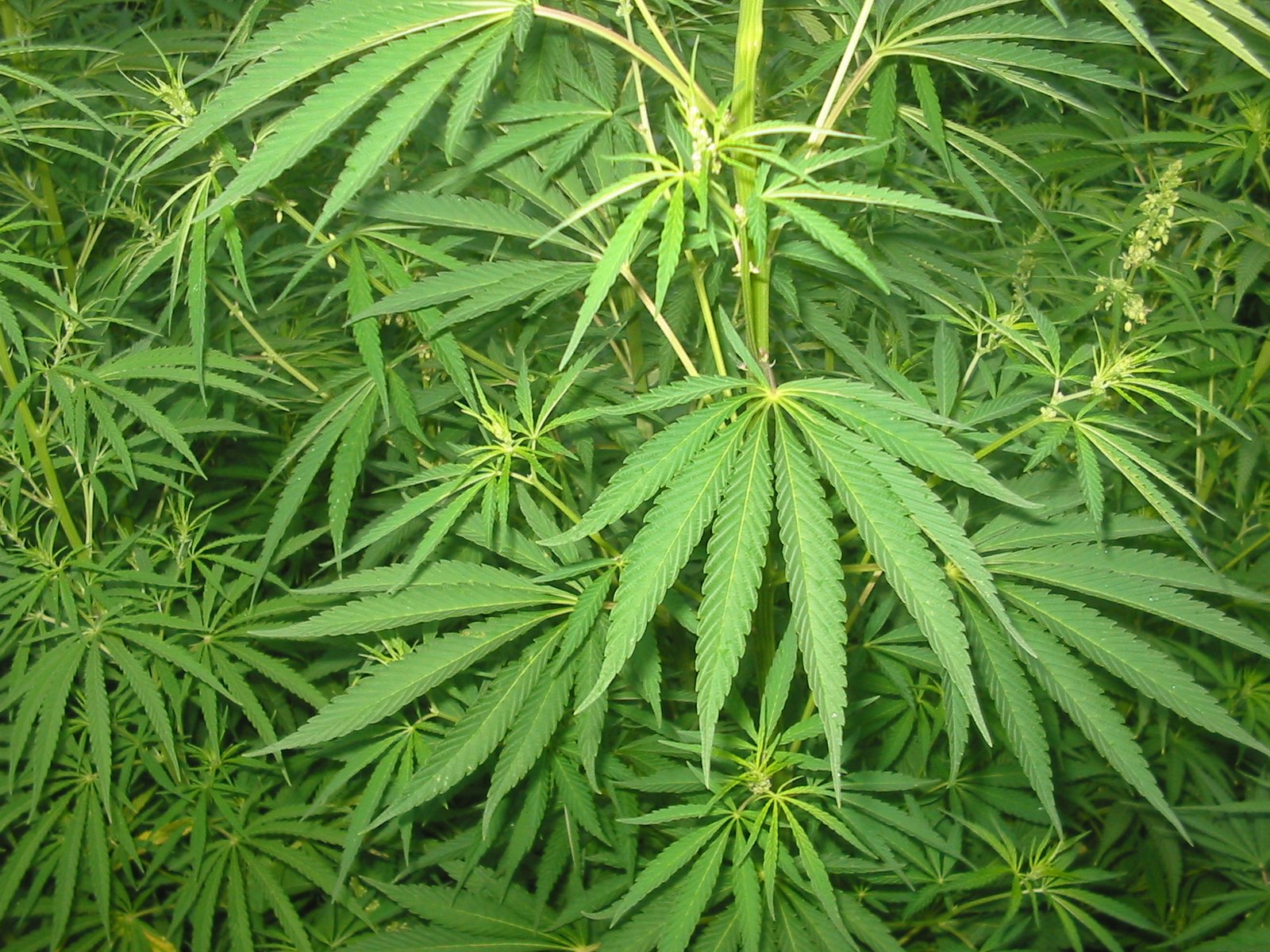
Greece has banned cannabis flower products from retail shelves under new regulations that immediately went into effect, the National Organization for Medicines announced on Thursday. The prohibition applies to all dried Cannabis sativa L. flower goods regardless of THC content or whether they are processed or unprocessed and to all retailers, distributors, and suppliers in the consumer market nationwide.
The National Organization for Medicines (EOF) has directed businesses to promptly cease all sales, circulation, and supply of the products without delay. The agency has also said inspectors will verify compliance across the market. The ban follows a draft bill published by the Ministry of Health in April 2026, which amends Law 4139/2013, the country’s main narcotics framework, setting updated policies for cannabis product control, licensing, and enforcement.
Greece bans cannabis flower products but exempts industrial processing
The same bill raises the THC threshold for industrial hemp from 0.2% to 0.3%. That change does not create an opening for consumer sales, however. Dried hemp flower items intended for retail cannot be classified as raw agricultural products under the new regulations, removing a designation that had previously provided some legal protection to sellers.
The decision to ban cannabis flower goods in Greece does not restrict all activity in the sector. Dried flower products moving through the supply chain for manufacturing purposes, including transformation into food items, cosmetics, or dietary supplements, is not subject to the retail ban.
Greece bans cannabis flowers from retail sale under sweeping new laws. pic.twitter.com/SpPvpJOYrY
— Tom Marvolo Riddle (@tom_riddle2025) May 22, 2026
Wholesale handling, transport, and storage of such materials remain lawful, provided the end use is industrial rather than consumer-facing. CBD oils, topicals, and other low-THC products retain a legal path to market.
The bill introduces a new category of licensed business called a cannabis product enterprise. These are standalone retail stores authorized to sell lawful cannabis goods and certified medical cannabis vaporization devices approved by EOF. Each licensed location must maintain a minimum distance of 500 meters (1,640 feet) from educational institutions serving children up to secondary school age.
Strict licensing laws, heavy fines, and reduced medical fees
Operators must apply to the relevant Regional Authority and submit corporate records, tax clearance certificates, solvency documents, criminal record extracts, and a declaration that their products contain no psychoactive analogues of THC or CBD.
The authority has sixty working days to issue a decision. If no ruling is made within that time period, the application is automatically denied.
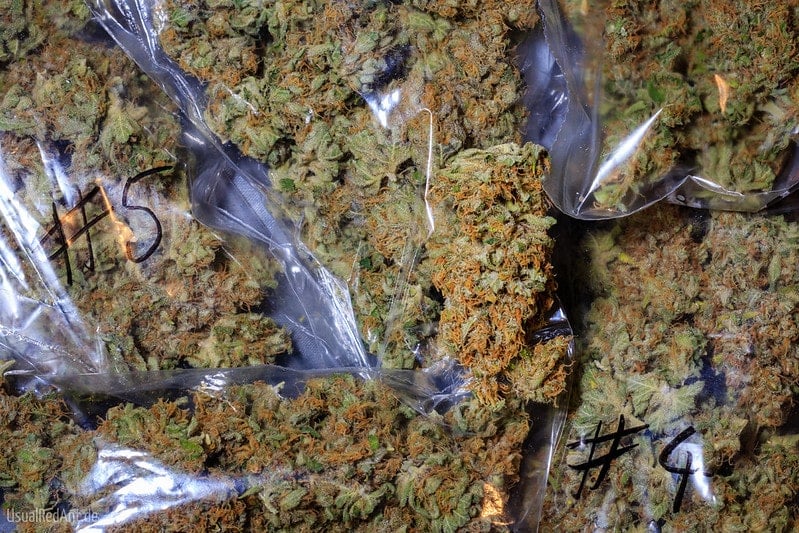
The Ministry of Health will maintain a digital registry of licensed cannabis enterprises through the government portal gov.gr. Businesses must be listed in the registry before they can legally sell any such goods. The EOF, police, and joint enforcement teams are authorized to inspect businesses and test products for THC content and psychoactive compounds.
Violations of license conditions carry a fine of €100,000 ($116,000) and a six-month suspension. Selling unauthorized products can likewise result in fines of equal value and up to five years imprisonment.
The legislation also reduces fees for medical cannabis operators. Authorization amendments and renewals, previously charged at €2,500 ($2,900) per dossier, will be reduced to €500 ($580). Each additional form or strength included in the application carries a separate fee of €50 ($58).


