Greece has signed a program agreement to prepare and tender a new prison complex in Megalopoli, moving a 40 million-euro project for up to 600 inmates from announcement toward procurement.
Prime Minister Kyriakos Mitsotakis attended the signing in the Arcadian town on Thursday. The agreement assigns project preparation and procurement work to the Hellenic Republic Asset Development Fund’s Strategic Contracts Unit and technical oversight to Building Infrastructure SA on behalf of the Ministry of Citizen Protection.
Prison Planned for Former Lignite Zone
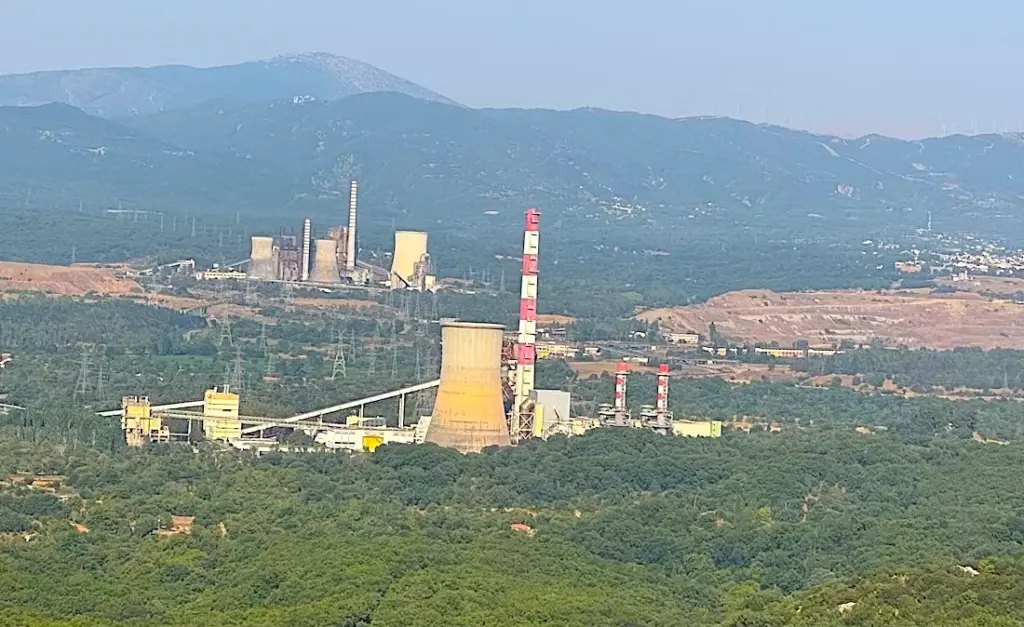
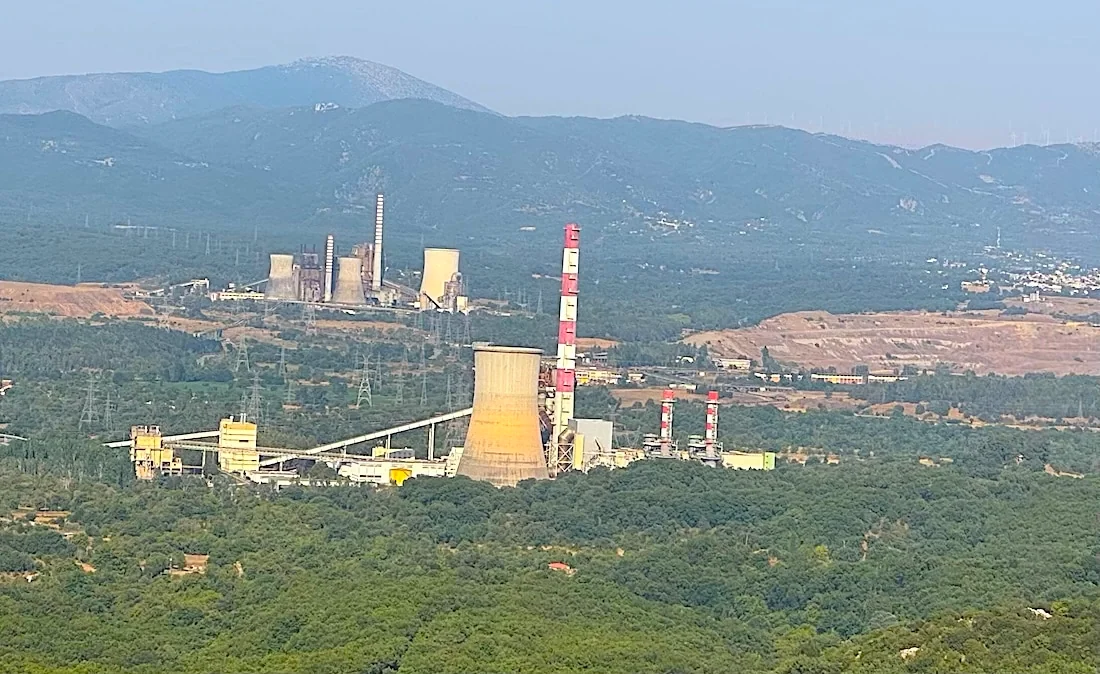
The complex is planned for 124 stremmas—about 30.6 acres—inside Megalopoli’s decarbonization zone. Funding will come from Greece’s 2021-2027 Just Development Transition program, which supports areas affected by the withdrawal from lignite power generation.
The government says it will ease prison overcrowding while creating construction and permanent jobs in a town seeking new economic activity after lignite. Earlier this year, the government announced eight new prisons as part of a broader expansion.
In March, a Council of Europe committee criticized conditions in Greek prisons, including overcrowding and staff shortages. Greece has also moved to expand electronic monitoring as inmate numbers rose and proposed plans to release some inmates under electronic supervision.
Work and Training Built Into Design
The Megalopoli plan combines a general prison with special vocational and agricultural sections. Government specifications include detention wings at different security levels, workshops, production and farming areas, classrooms, a computer room, a library, a clinic, psychological-support rooms, visiting areas, sports facilities, a kitchen, administrative buildings and a chapel.
Officials present the design as a shift toward work, education and skills training that could support reintegration.
The program agreement was signed by Alternate Economy Minister Nikos Papathanasis, Deputy Citizen Protection Minister Giannis Lambropoulos, Growthfund executive Panos Stamboulidis and Building Infrastructure chief executive Thanasis Giannaris. Megalopoli Mayor Kostas Michopoulos also attended.
The project horizon extends to the end of 2030.