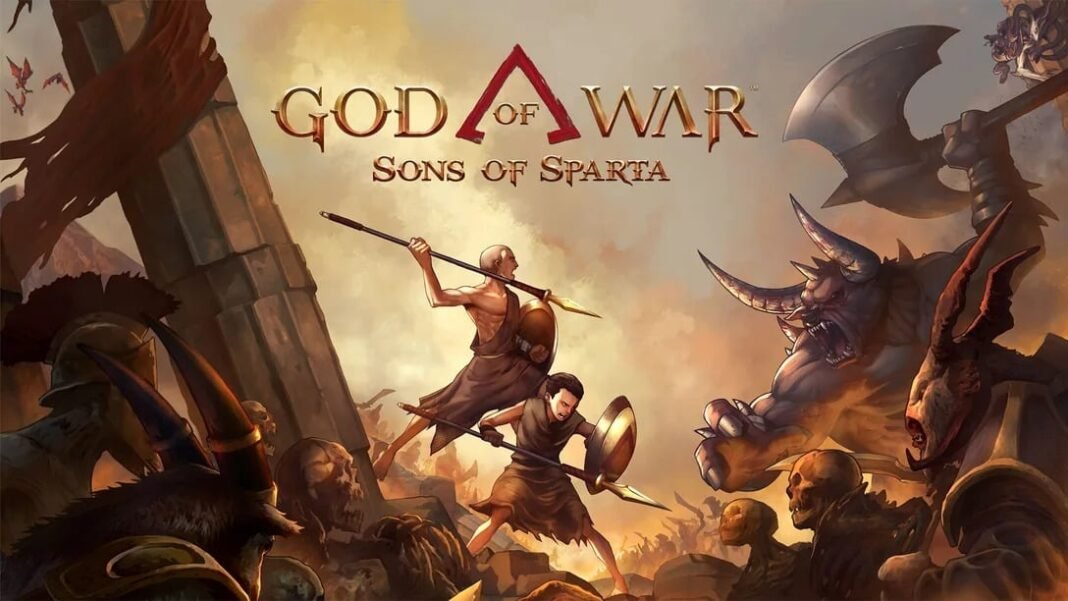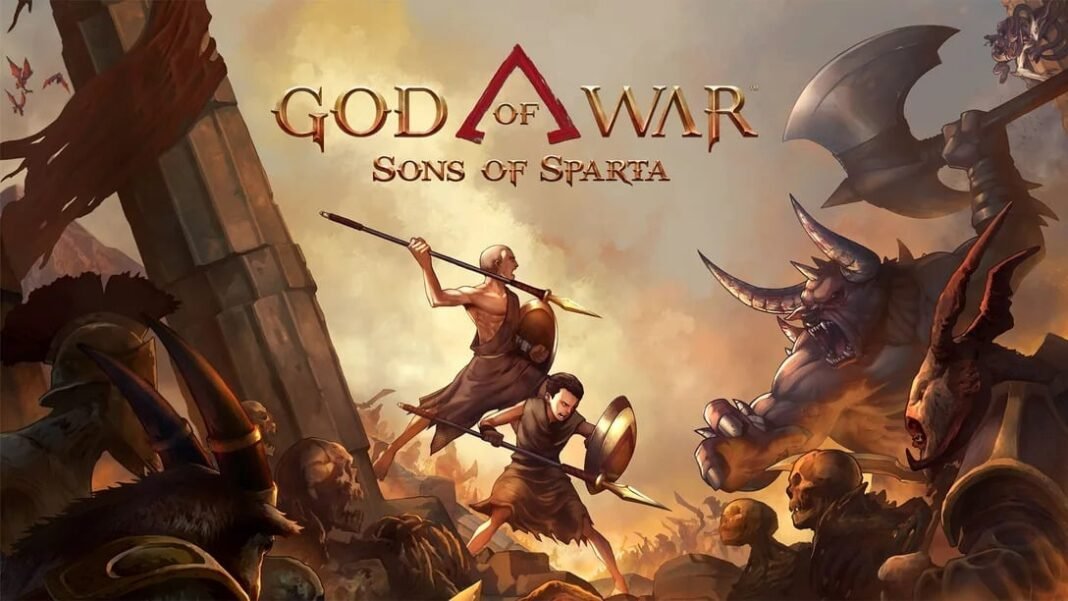
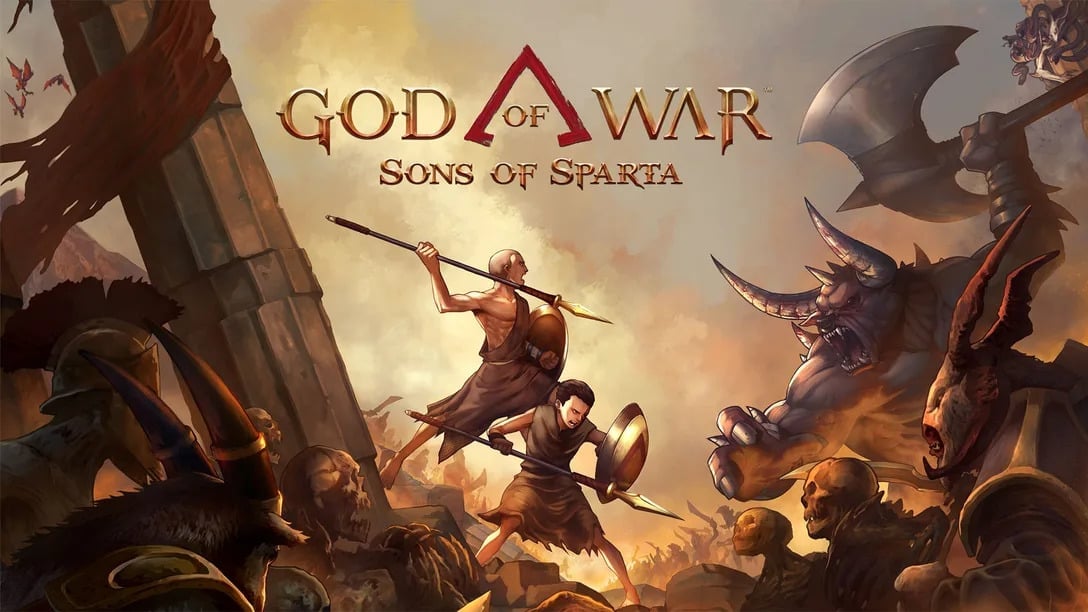
God of War Sons of Sparta opens a new chapter in the legendary action-adventure saga by shifting the focus to Kratos’ early years. Designed as a 2D action platformer with a canon storyline, the game explores his youth in Sparta and his harsh Agoge training alongside his brother Deimos. The narrative delivers a tighter, more personal war story shaped by discipline, honor, and brotherhood.
Writers linked to the team behind God of War (2018) and God of War Ragnarök contribute to the story direction, blending modern character depth with a retro-driven format. Veteran voice actor TC Carson returns as the adult Kratos and serves as the narrator, marking his first time reprising the role in more than a decade and reinforcing continuity for longtime fans.
God of War Sons of Sparta reinvents combat in 2D
Sons of Sparta brings the franchise’s high-impact combat into a side-scrolling 2D format. Players develop Kratos’ fighting style using spear and shield techniques while unlocking divine relics known as the Gifts of Olympus. These artifacts expand tactical options and amplify the mythic power scale that defines the series.
The enemy roster blends familiar creatures with new threats drawn from lesser-known corners of Greek mythology. The visuals feature detailed hand-drawn pixel animation, with classic monsters re-imagined in 2D and new enemies crafted in a retro aesthetic by the pixel-focused developers at Mega Cat Studios.
A franchise built on awards and myth
The God of War franchise has become one of PlayStation’s most successful properties since its 2005 debut on the PlayStation 2. Created by David Jaffe at Santa Monica Studio, the series quickly earned acclaim for its cinematic storytelling and intense combat design. Over time, it has expanded across multiple platforms, with more than nine major releases and several spin-offs, collecting numerous industry awards.
The core story draws from ancient mythology, following Kratos, a Spartan warrior deceived by Ares, the original Greek God of War, into killing his own family. His revenge-driven journey escalates into full-scale conflicts with entire pantheons, reshaping the mythic world around him.
The real world Agoge behind God of War Sons of Sparta
The Agoge was the backbone of Spartan society and serves as the historical foundation for the game’s premise.
It functioned as both an educational system and a state-controlled military training program for boys, aimed at producing physically resilient, mentally disciplined, and fiercely capable soldiers. With few exceptions, Spartan families were required to send their sons into this system.
Tradition holds that the lawgiver Lycurgus established the Agoge in the 7th century BC to transform Sparta into a dominant military state. Boys entered at age seven, with officials known as paidonomoi overseeing their development. The program progressed through defined stages:
- Paides from ages 7 to 17,
- Paidiskoi from 17 to 19, and
- Hebontes from 20 to 29.
Leaders organized youths into groups and trained them to place loyalty to their communal mess halls, the syssitia, above family ties. Only those who completed the full program gained full Spartan citizenship at age thirty.
Legendary origins of Sparta
Greek legend offers a mythic account of Sparta’s founding. Tradition names Lacedaemon, a son of Zeus, as the city’s founder and first king. He named the city after his wife, Sparta, and his royal line continued through later rulers, including Tyndareus, father of Helen of Troy. Control later passed through Menelaus and other relatives connected to Agamemnon.
Another legend holds that descendants of Hercules led the Dorians into the region, establishing Dorian Sparta. A later descendant, Aristodemus, fathered twin sons, Eurysthenes and Procles. Their dual inheritance is said to explain Sparta’s unusual two-king system. Whether this arose from twin heirs or from the merger of early settlements remains debated, but the story continues to be central to Spartan identity.
Related: Greek God of War Kratos Debuts With Rave Reviews