A deadly epidemic once swept through the eastern Mediterranean, leaving deep scars on societies that struggled to understand the disease consuming them. In what is now Jordan, illness and death became persistent forces, reshaping daily life, urban space, and the course of history. New research now confirms that this region holds the first mass grave of the Justinianic Plague, offering rare and direct evidence of how the world’s first pandemic unfolded inside a living city.
Physical proof of a pandemic long known from texts
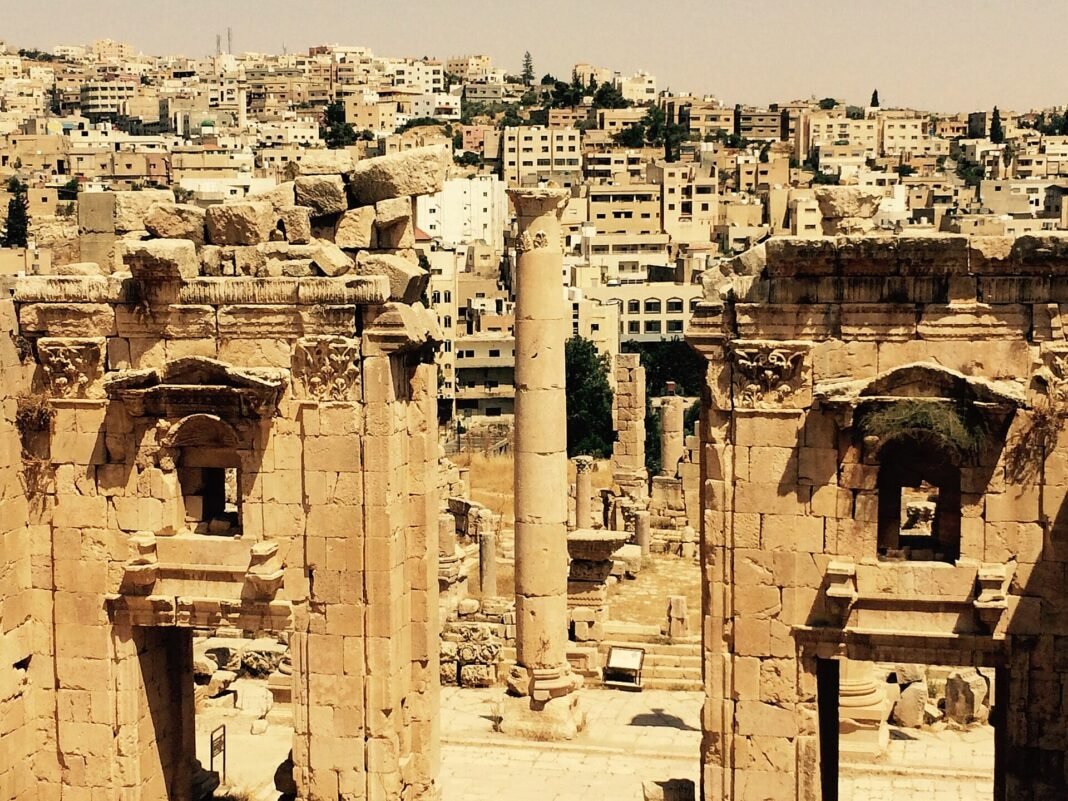
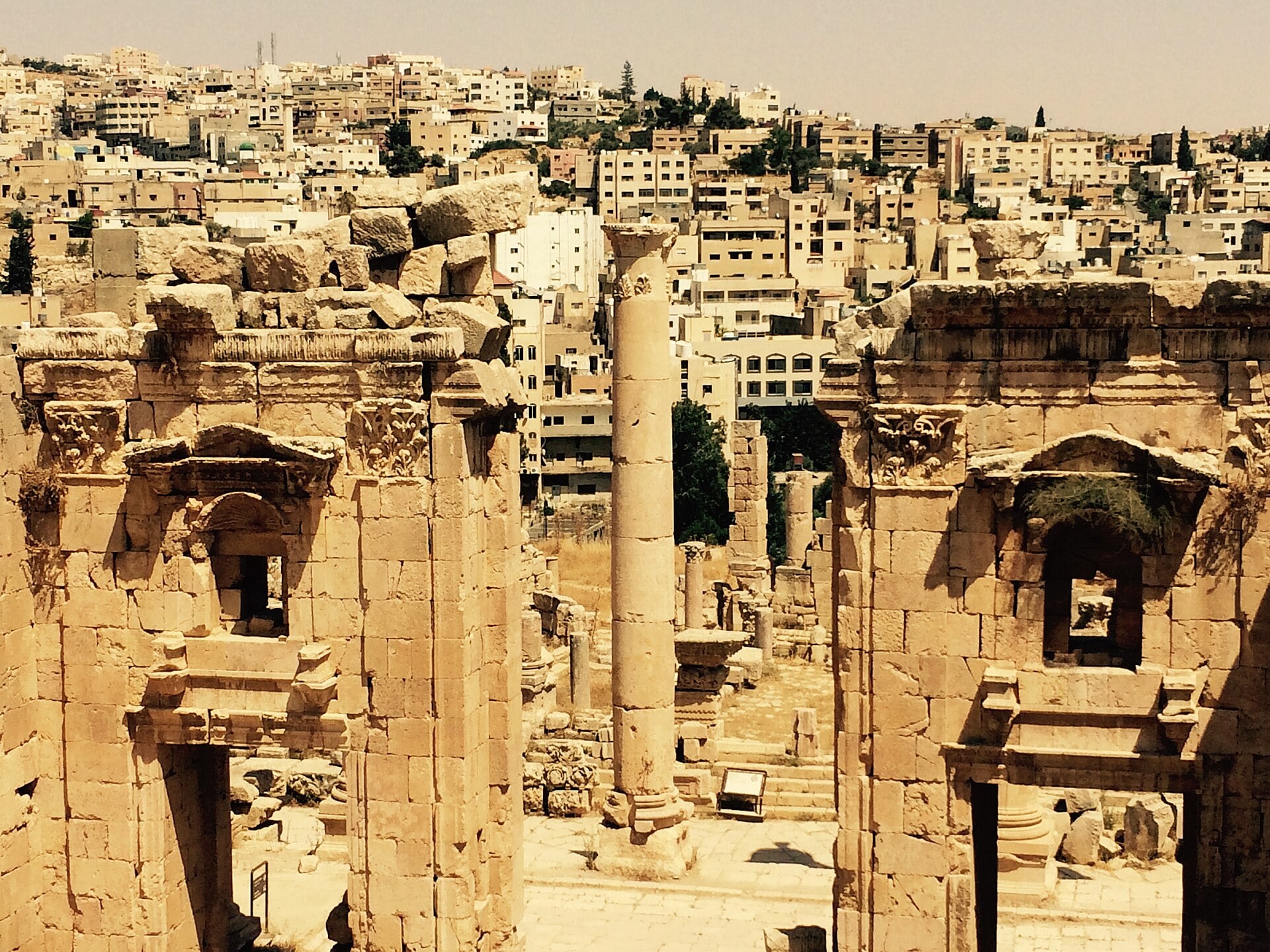
The study was led by an interdisciplinary team from the University of South Florida and published in the Journal of Archaeological Science. It focuses on the ancient city of Jerash, a major urban center in the eastern Mediterranean during Late Antiquity.
Historical sources have long described waves of death caused by the Plague of Justinian, which first appeared in the sixth century A.D. during the reign of Byzantine Emperor Justinian I. Chroniclers wrote of cities emptied, economies disrupted, and millions dead across Europe, North Africa, and the Near East. Until now, however, most evidence for mass mortality remained speculative.
A single mortuary event, unlike a normal cemetery
Researchers say Jerash is the first site where a plague mass grave has been confirmed through both archaeology and genetics. Excavations uncovered hundreds of human remains deposited rapidly in an abandoned civic space. The bodies were laid directly on top of pottery debris and rubble, showing the area was no longer in use when the crisis struck.
Unlike traditional cemeteries that expand slowly over generations, the Jerash burial represents a single mortuary event. Researchers say the scale and speed of deposition indicate that hundreds of people died within days. Normal burial customs appear to have been suspended as the city struggled to cope with overwhelming loss.
Researchers have identified the first mass grave of the Justinianic Plague discovered in Jordan, confirmed through both archaeology and DNA. pic.twitter.com/94Q4V67ars
— Tom Marvolo Riddle (@tom_riddle2025) January 21, 2026
Genetic testing confirmed the presence of Yersinia pestis, the bacterium responsible for bubonic plague, directly linking the mass grave to the Justinianic pandemic.
Who died, and how the city failed under pressure
The remains do not belong to one family, occupation, or neighborhood. Instead, they reflect a broad cross-section of the urban population. Researchers say this suggests the disease spread through shared city spaces such as markets, streets, and water systems, exposing people from different backgrounds to the same risk.
The findings show how a functioning city reached a breaking point. Civic systems that governed burial, sanitation, and space collapsed under pressure, forcing emergency measures. The abandoned civic area became a place of necessity rather than ritual, revealing how pandemics reshape urban life in moments of crisis.
Mobility, migration, and vulnerability revealed by disaster
The mass grave also resolves a long-standing puzzle in ancient population studies. Historical and genetic evidence show widespread movement across the Middle East through trade, labor, and empire. Yet many cemeteries suggest people were largely local.
Researchers say both patterns existed. Migration often occurred gradually and blended into everyday life, making it difficult to detect archaeologically. During a crisis, however, mobile populations were suddenly concentrated together. The Jerash mass grave captures that moment, revealing long-term movement patterns in a single episode of death.
Why the discovery still matters today
The study was led by Rays H. Y. Jiang, an associate professor in the University of South Florida’s College of Public Health. He said the research moves beyond identifying a pathogen to understanding how the disease affected real people inside real cities.
Researchers argue that pandemics are not only biological events. They are social and civic crises shaped by density, movement, and inequality. The conditions that allowed the Justinianic Plague to thrive—urban crowding, trade networks, and environmental stress—mirror many of the forces driving outbreaks today.
The first mass grave of the Justinianic Plague discovered in Jordan now stands as the clearest physical record of the world’s first pandemic. It offers a rare glimpse into how an ancient city experienced catastrophe and how human vulnerability becomes visible when society is pushed to its limits.