US-backed Russia-Ukraine peace talks ended without a major advance after two days of negotiations in Geneva, highlighting deep divisions that continue to block a path toward a ceasefire. Officials confirmed limited movement on military-related issues, but no agreement on territory, a core obstacle to ending the war.
The talks brought together delegations from Russia, Ukraine and the United States and stretched late into Tuesday before resuming briefly on Wednesday for about two hours. Despite early optimism expressed by a US envoy, officials from both sides later acknowledged that discussions were difficult.
After the formal session concluded, Russia’s lead negotiator returned to the venue for a closed-door meeting with Ukrainian representatives that lasted about 90 minutes. No details were released about that discussion.
Russia-Ukraine peace talks stall over territory and ceasefire terms
A Ukrainian diplomatic source said negotiators made some progress on military matters, including front-line positions and possible systems to monitor a ceasefire. However, the source said talks stalled on territorial questions, without which a ceasefire remains unlikely.
Russia continues to demand full control of the eastern Donbas region, including Donetsk and Luhansk. Ukrainian officials have rejected the demand, saying it would amount to surrendering sovereign territory.
🇺🇦🇷🇺 NO MAJOR DEAL: Day 2 of US-brokered Russia-Ukraine talks in Geneva wraps after just 2 hours.
Zelenskyy: “Russia trying to drag out the process.”
Russia calls it “difficult but business-like” — next round coming.
War nears 4th anniversary with fighting ongoing.
Will Trump’s… pic.twitter.com/bstr6FHHHd— Usman Khan (@umankhankhattak) February 18, 2026
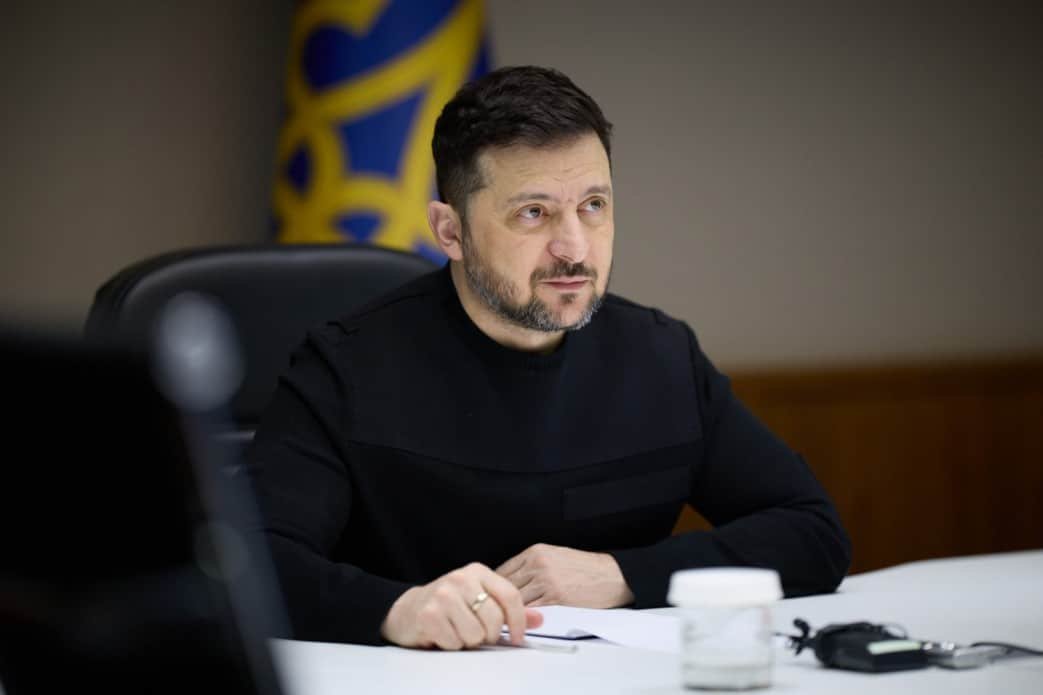
Russia’s chief negotiator described the talks as challenging but said they remained professional and focused. He added that another meeting is expected soon. Ukrainian President Volodymyr Zelensky also pointed to wide gaps between the two sides, saying the negotiations were not easy.
Ukraine’s defense minister offered a more cautious assessment, saying discussions were serious and intensive. He confirmed limited progress but said details could not be shared yet, stressing that meaningful agreements require time and coordination among all parties.
Shortly before the talks ended, Zelensky accused Moscow of intentionally slowing negotiations that could already be approaching a final stage.
The delegations last met earlier this month in US-mediated talks in Abu Dhabi, which led to the first prisoner exchange in several months. Zelensky later indicated that another exchange could follow.
Prisoner swaps, nuclear plant dispute, and rising international pressure
US President Donald Trump, who has pushed diplomatic efforts to end the war, has expressed growing impatience with the lack of results. He recently urged Ukraine to move faster at the negotiating table, a remark Zelensky dismissed as unfair.
Nearly four years into Russia’s full-scale invasion, the gap between Moscow’s demands and Kyiv’s vision of a just peace remains wide. Zelensky has warned that giving up territory could invite future aggression and has compared the idea to historic appeasement. He also said any plan to hand over Donbas would fail in a national vote.
Another unresolved issue is the Russian-held Zaporizhzhia nuclear power plant. Ukraine is demanding its return, while floating the possibility of US involvement, an idea Moscow is unlikely to accept.
European officials from Britain, France, Germany and Italy attended meetings on the sidelines. Zelensky said European participation is essential for any final deal.
The war continues to exact a heavy toll. Overnight strikes killed four people and injured 30 others, while repeated attacks on energy infrastructure have left millions without power and heating during a harsh winter.