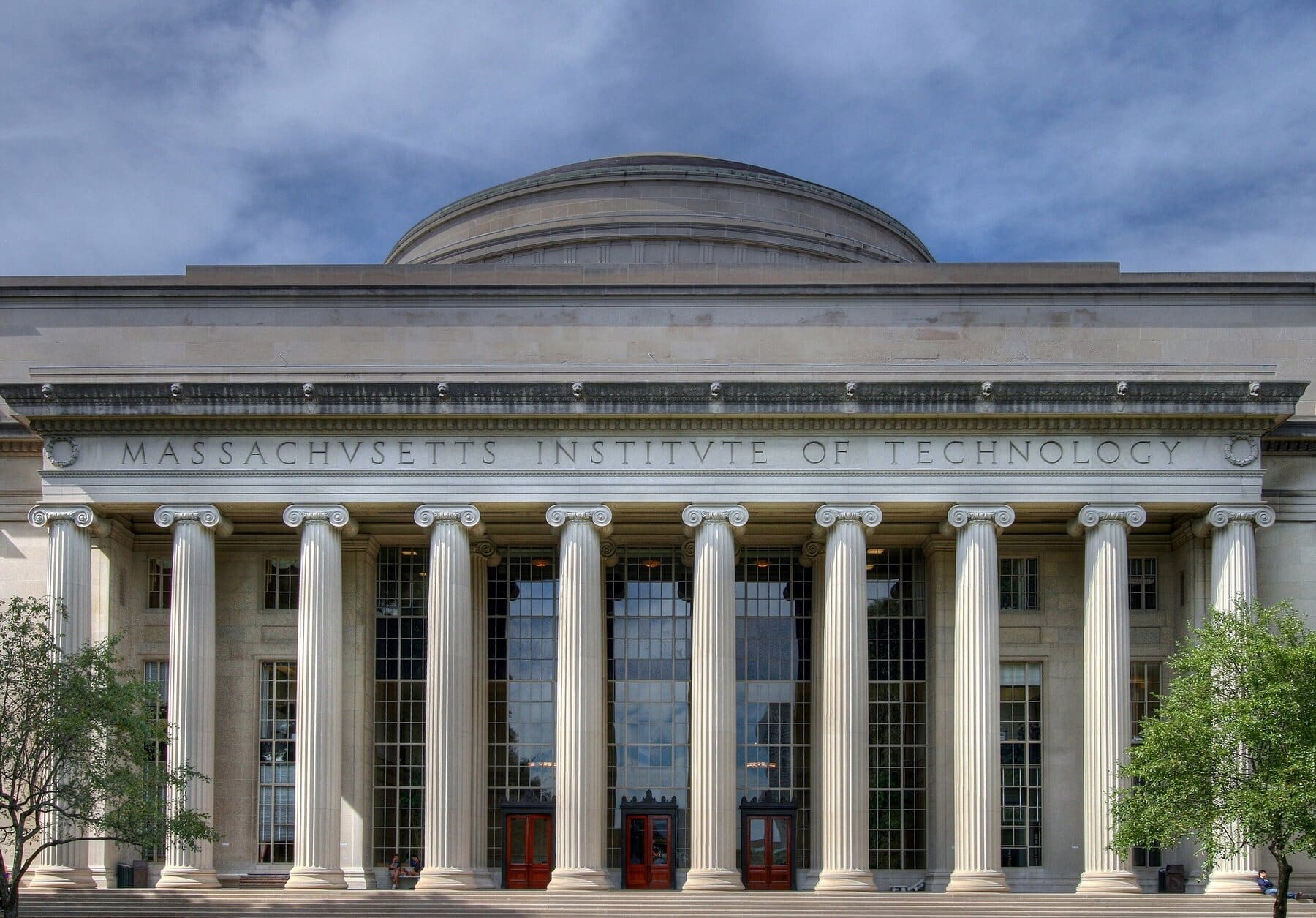
Scientists at the Massachusetts Institute of Technology (MIT) have discovered a method to restore lost strength to aging immune systems by using mRNA technology to turn the liver into a temporary factory for immune-boosting signals. The research, published in the journal Nature, demonstrates that the approach can rejuvenate T-cell production in older mice, leading to significantly improved responses to vaccines and cancer immunotherapies.
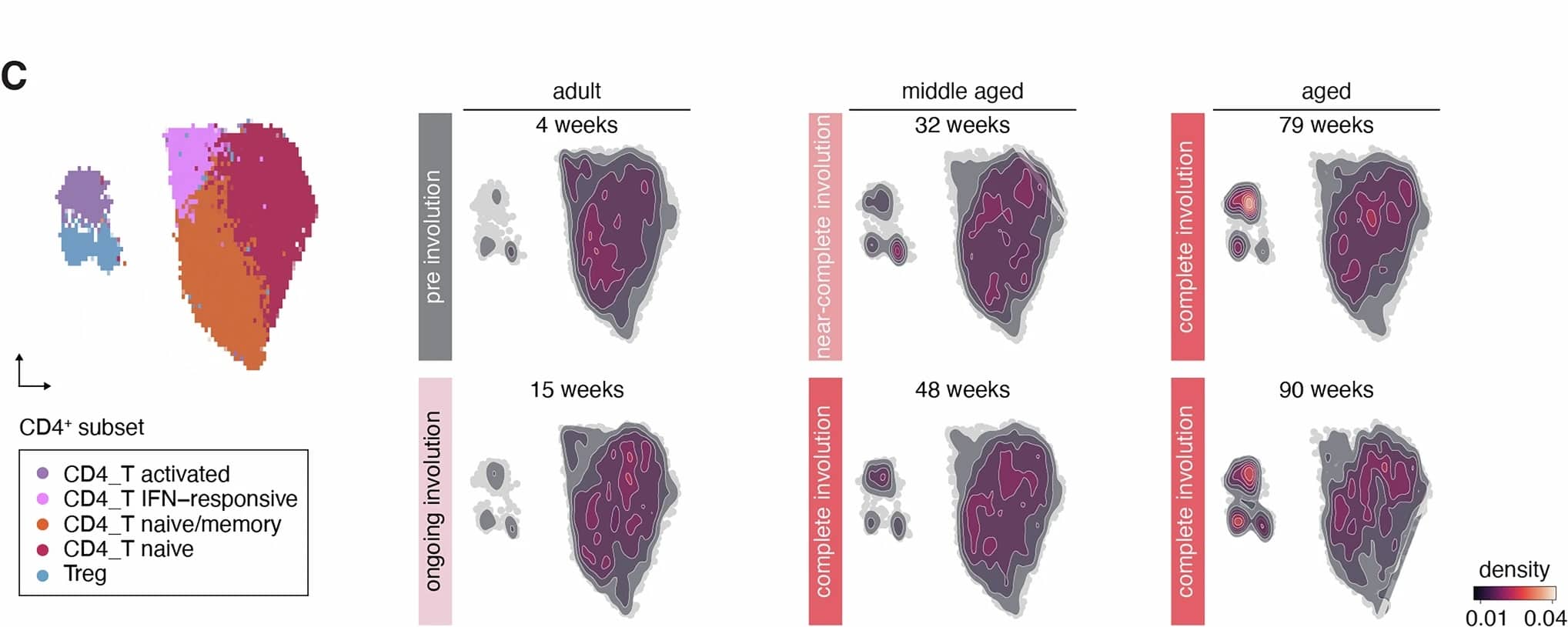
The study addresses a biological process known as thymic involution. The thymus, an organ essential for T-cell maturation, begins to shrink in early adulthood and is essentially nonfunctional by age 75. This decline leaves older adults with fewer T cells and a reduced ability to fight off infections.
To counter this, a team from MIT and the Broad Institute developed a strategy to bypass the shrinking thymus. By delivering mRNA encapsulated in lipid nanoparticles to the liver, they programmed the organ to produce three specific factors, DLL1, FLT-3, and IL-7, that are critical for T-cell survival and development. “Our approach is more of a synthetic approach,” said Feng Zhang, the senior author of the study and a professor of neuroscience at MIT. “We’re engineering the body to mimic thymic factor secretion.”
MIT researchers chose the liver to show how an aging immune system can be restored
The researchers chose the liver because of its ability to produce large amounts of protein and its high blood flow, which allows the immune signals to circulate effectively. In experiments involving 18-month-old mice, roughly equivalent to humans in their 50s, the treatment yielded significant results. After receiving repeated doses over four weeks, the mice showed a substantial increase in the size and function of their T-cell populations.
When vaccinated against a specific protein found in egg whites, the treated older mice produced double the number of cytotoxic T cells compared to untreated mice of the same age.
The treatment also enhanced the effectiveness of cancer drugs. Mice with implanted tumors that received both the mRNA treatment and a checkpoint inhibitor drug had much higher survival rates than those treated with the drug alone. “If we can restore something essential like the immune system, hopefully we can help people stay free of disease for a longer span of their life,” Zhang said.
The new method aims to have few side effects and increased protection
Mirco Friedrich, the paper’s lead author and a former MIT postdoc, noted that previous efforts to boost immunity often involved injecting T-cell growth factors directly, which can cause harmful side effects. The new method aims to create a more sustained form of protection.
“As we get older, the immune system begins to decline,” Friedrich said. “We wanted to think about how we can maintain this kind of immune protection for a longer period of time.”
The team plans to test the strategy in additional animal models and investigate its effects on other immune cells, such as B cells. The study was funded in part by the Howard Hughes Medical Institute and the K. Lisa Yang Brain-Body Center at MIT.