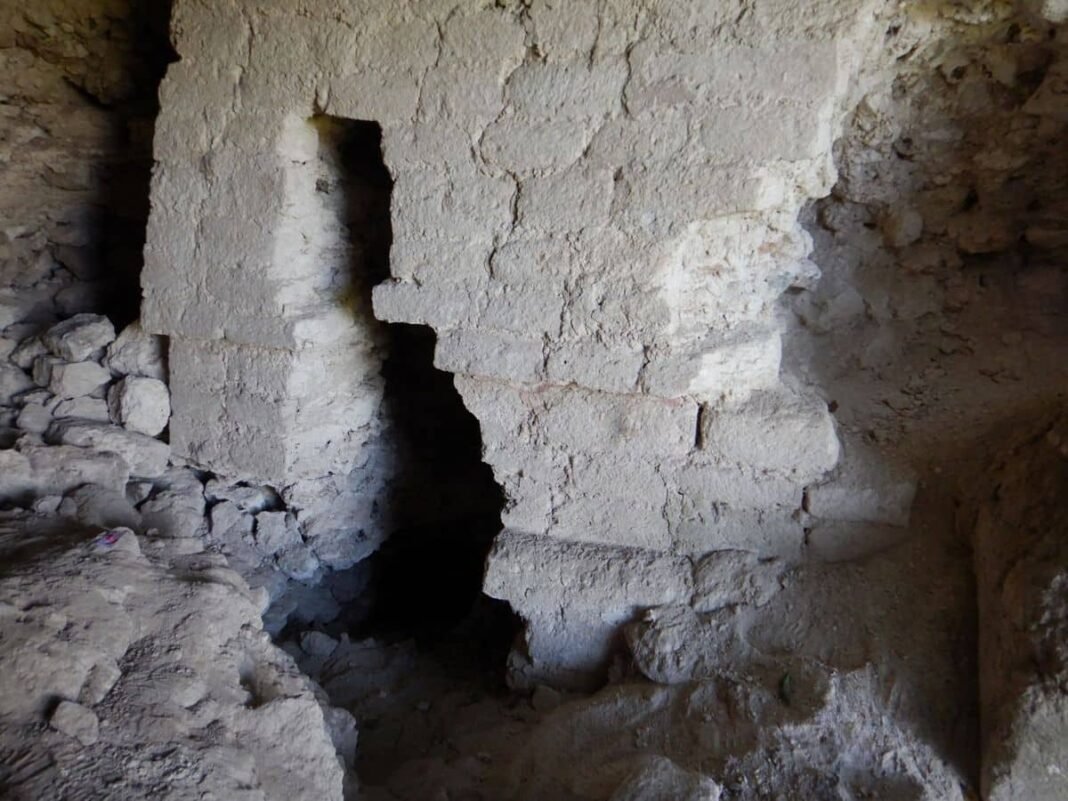
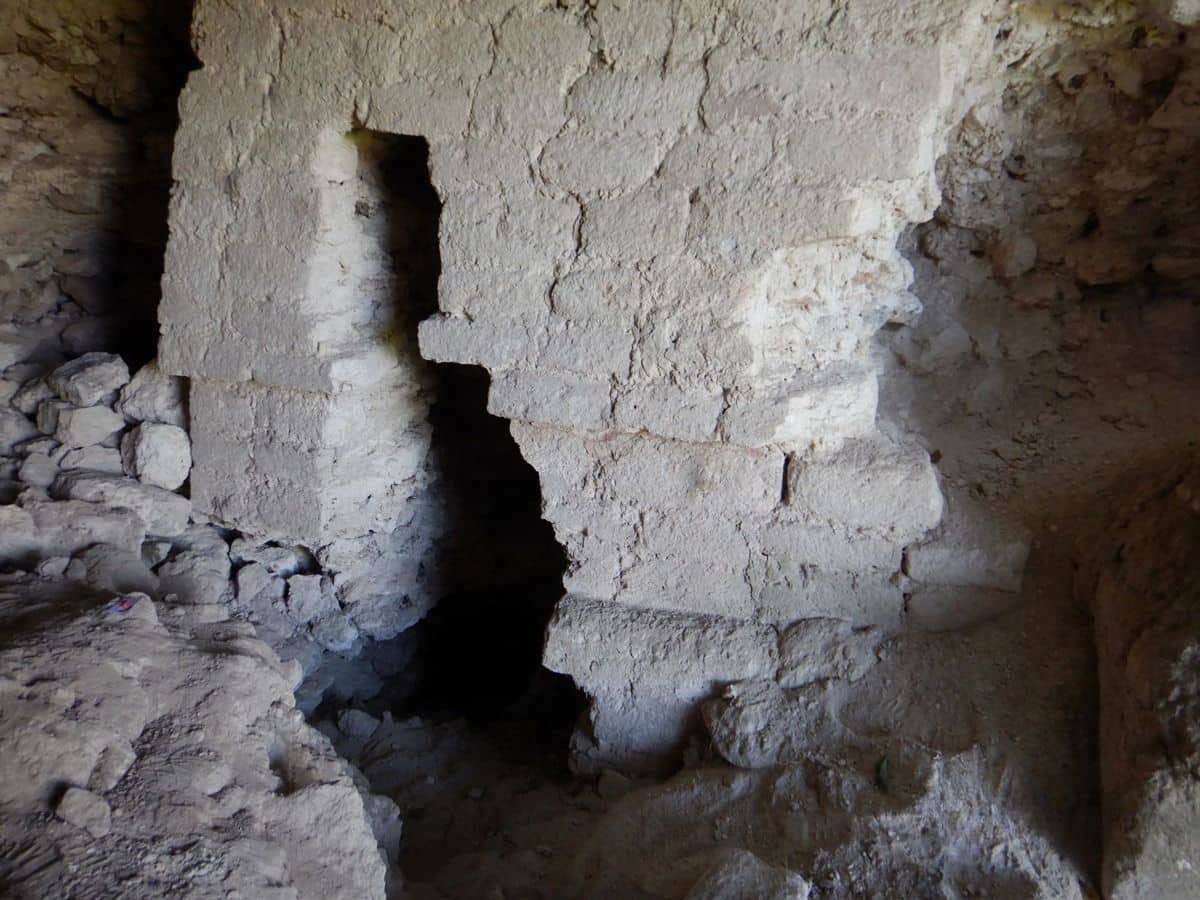
Archaeologists have confirmed the discovery of a Maya settlement in southern Mexico, featuring 80 buildings and rare decorative wall paintings. The site, named “El Jefeciño,” sits in the municipality of Othón P. Blanco in Quintana Roo. It spans an estimated 100 hectares (247 acres), though researchers believe it may extend even further.
The National Institute of Anthropology and History, known as INAH, officially registered the site after local residents flagged its existence. The discovery came during work on the Maya Train Archaeological Salvage Project, coordinated by archaeologist Manuel Pérez Rivas along the first section of the seventh segment of the train route.
Based on architectural evidence, researchers date the settlement to the Early and Late Classic periods, roughly 250 to 900 A.D. The structures reflect the Petén architectural style, marked by large vaulted buildings, rounded and recessed corners, and apron moldings.
Maya settlement in Mexico hides paintings and buried bones
At the heart of the site lies a nuclear area made up of five major structures. These buildings stand between 11 and 14 meters (36 and 46 feet) tall and stretch between 16 and 40 meters (52 and 131 feet) in length.
They are arranged in a C-shaped plaza formation, according to archaeologist Diana Karina Blancas Olvera, who co-directed the registration work alongside Sonny Moisés Ojeda González between 2023 and 2024.
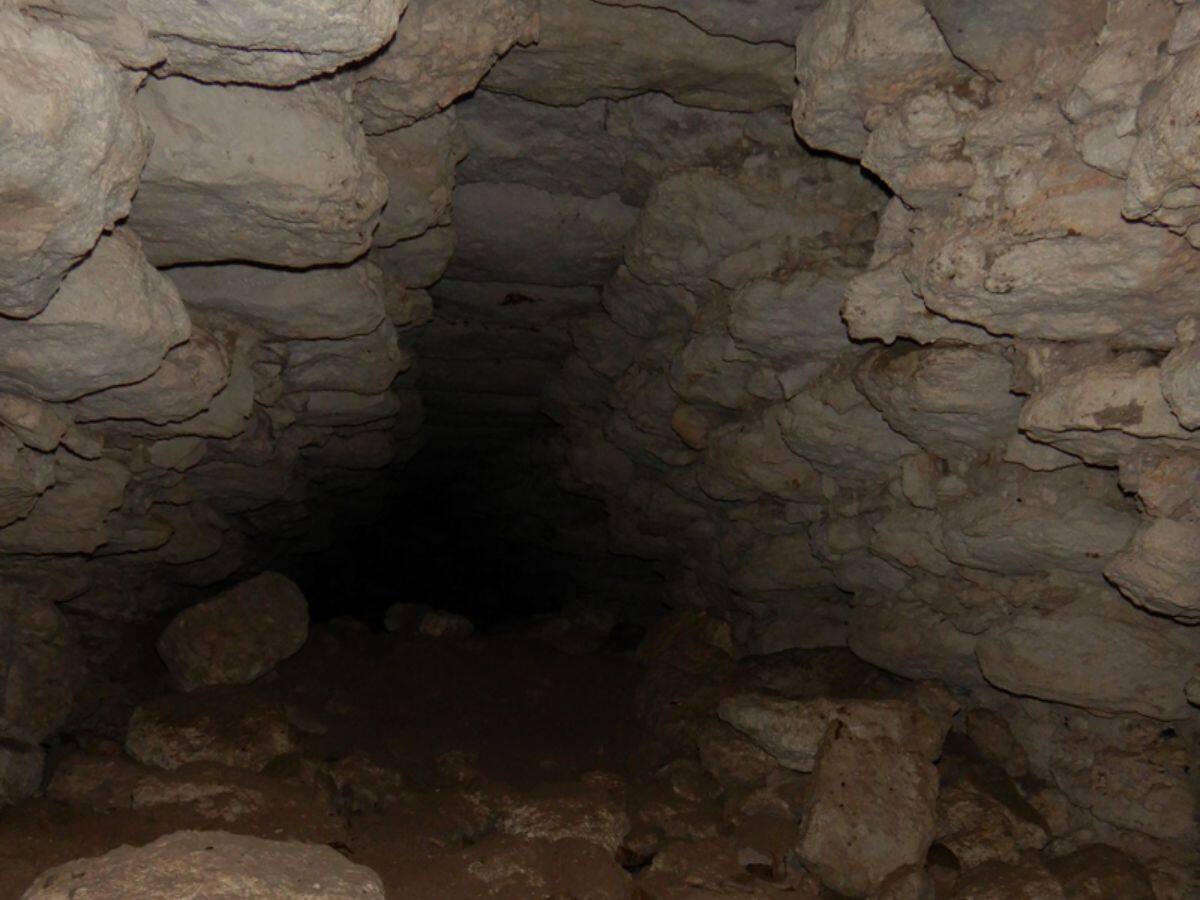
One structure in the northeastern section contains stucco remnants with decorative paintings in Mexico that stand out as a rare find. Ojeda González noted that the murals are decorative rather than narrative, featuring white and orange pigments along with red stripes.
The same building also revealed fragments of human bone, which researchers suspect may be part of a burial context.
Layers beneath the ruins point to a rich Maya past
A second structure in the northwestern area shows a substructure with an apron molding. Researchers identified three construction phases on the surface. The deepest layer, at roughly eight meters (26 feet), contains the apron molding.
The middle phase holds the mural remnants, and the outermost phase shows collapsed staircase foundations.
Ojeda González added that the structures likely went through at least four or five construction phases in total. Three Maya vaults found inside some buildings remain in good condition.
Researchers have not yet conducted a full salvage excavation, meaning all findings remain in place. A LiDAR mapping project is planned to better define the settlement’s full layout.
Mexico’s Culture Secretary Claudia Curiel de Icaza said registering the site strengthens the protection of archaeological heritage and recognizes the role local communities play in preserving historical memory.