Scientists have identified a previously unknown human lineage in China that lived roughly 11,000 years ago, offering the earliest genetic evidence of the shift from hunter-gatherer life toward early farming in northern East Asia.
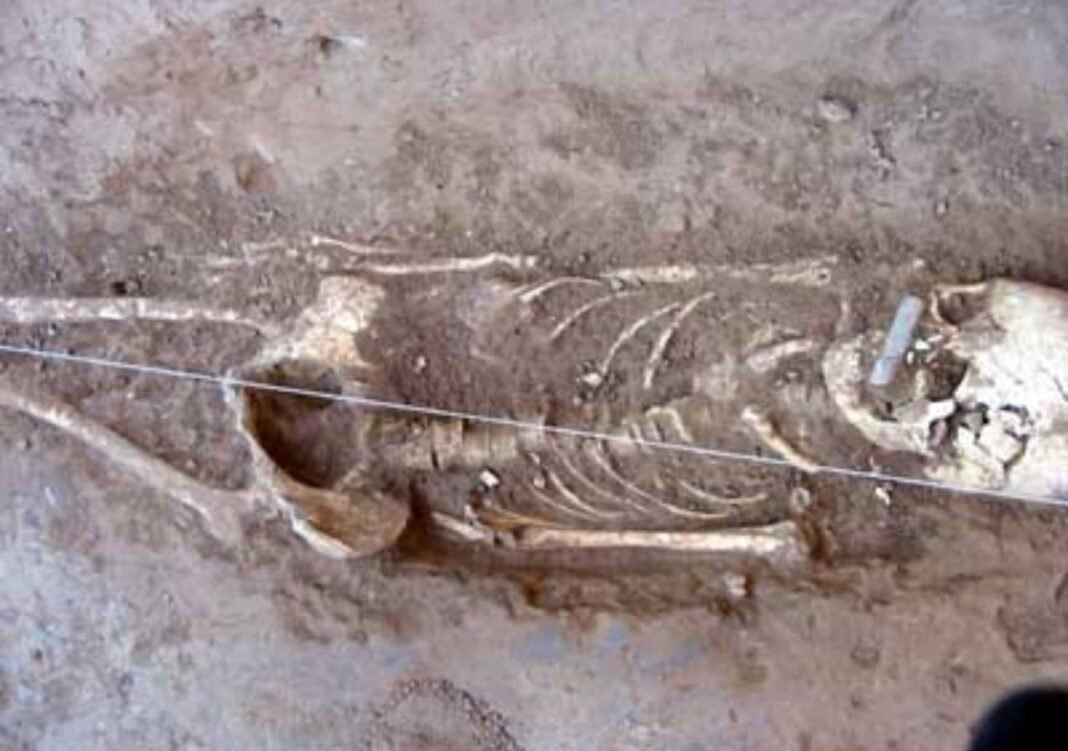
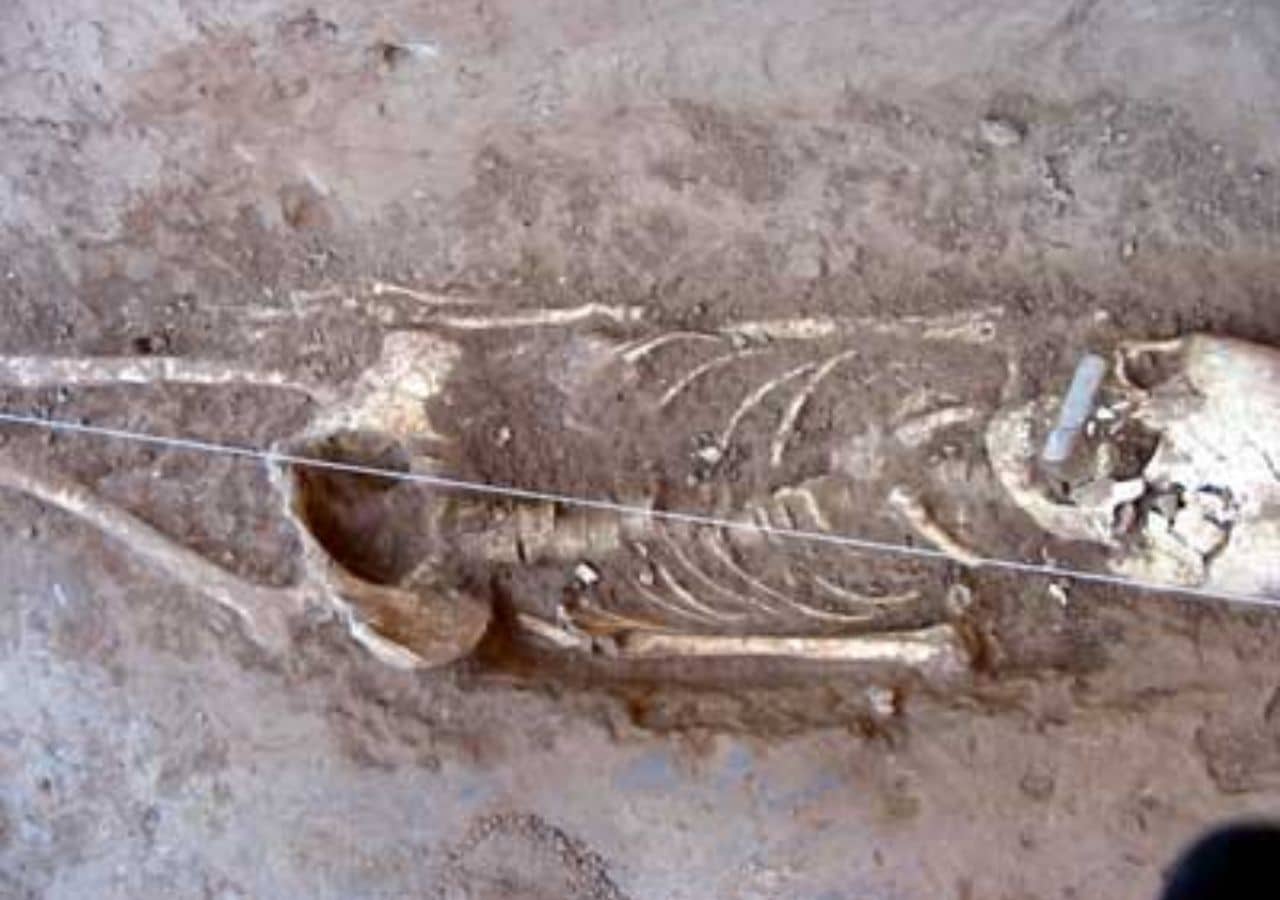
The discovery comes from ancient DNA extracted from remains at the Donghulin site in western Beijing, a burial ground that spans approximately 2,000 years of continuous human occupation at the end of the last Ice Age.
The study, published in Current Biology and led by Ganyu Zhang of the Chinese Academy of Sciences in Beijing, examined genetic material from three individuals buried at the site between roughly 11,000 and 9,000 years ago.
Researchers recovered complete mitochondrial genomes from all three and full genome-wide data from two of them.
Donghulin site yields genetic secrets from 11,000 years ago
The oldest individual, DHL_M1, dating to about 11,000 years ago, carried a deep northern East Asian lineage that had never been documented before.
Researchers found that this lineage diverged very early, around the same time as the oldest known northern East Asian lineage, AR19K, which dates to about 19,000 years ago from the Amur River region.
Zhang and colleagues say DHL_M1 either represents a previously unrecognized lineage or reflects a mixture involving ancestries not yet known to science.
Ancient DNA research has identified an unknown human lineage in China, offering fresh insight into how diverse populations navigated life during the Paleolithic-to-Neolithic transition. pic.twitter.com/8H6KU9qrlS
— Tom Marvolo Riddle (@tom_riddle2025) April 6, 2026
The younger individual, DHL_M2, a male dating to about 9,000 years ago, carried a genetically distinct profile. His ancestry showed a strong connection to Yumin-related populations from the southern Mongolian Plateau.
Researchers say the two individuals, buried at the same site roughly 2,000 years apart, belonged to different lineages entirely. This genetic shift matches physical evidence already known from the site, including notable differences in skull shape between the two burials and systematic changes in pottery styles between the older and newer layers.
Unknown human lineage uncovered in Ice Age China
Despite the population change, Neolithic practices continued without interruption at Donghulin.
The site contains some of the earliest documented evidence of domesticated foxtail millet in the world, and the proportion of domesticated millet remains increased steadily from the older layer to the newer one.
Researchers suggest that survival pressures linked to climate instability during the Early Holocene may have pushed these communities toward new food strategies, driving the broader Neolithization process in the region.
Bone evidence points to hardship during climate transition
Both individuals also showed signs of physical stress in their bones, pointing to difficult living conditions during this period of climate transition.
Ornaments made from marine shells and ostrich eggshells found at the site point to trade or contact networks stretching well beyond the local area.
Researchers say the findings reveal a highly diverse and complex population landscape in northern East Asia during one of the most consequential transitions in human prehistory.