A major genetic study is shedding new light on how people in Bronze Age Central Europe lived, moved, and buried their dead during a period marked by widespread cremation.
Published in Nature Communications, the research examines 69 individuals from Germany, Czechia, and Poland, offering rare insight into the Late Bronze Age, about 1300 to 800 BC, when burning the dead became common and left few remains for DNA study.
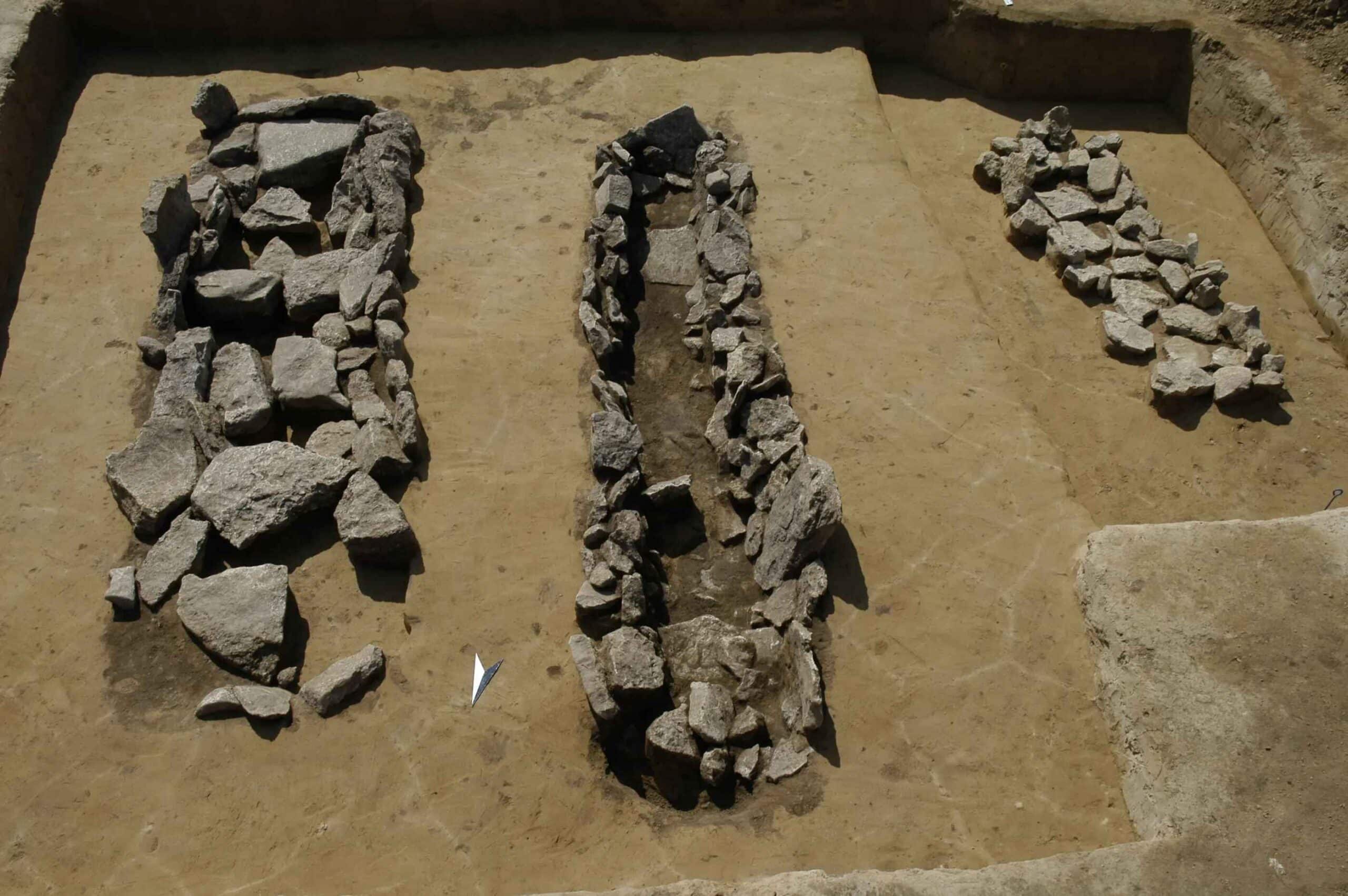
An international team analyzed ancient DNA, skeletal remains, and oxygen and strontium isotopes from burials that were not cremated.
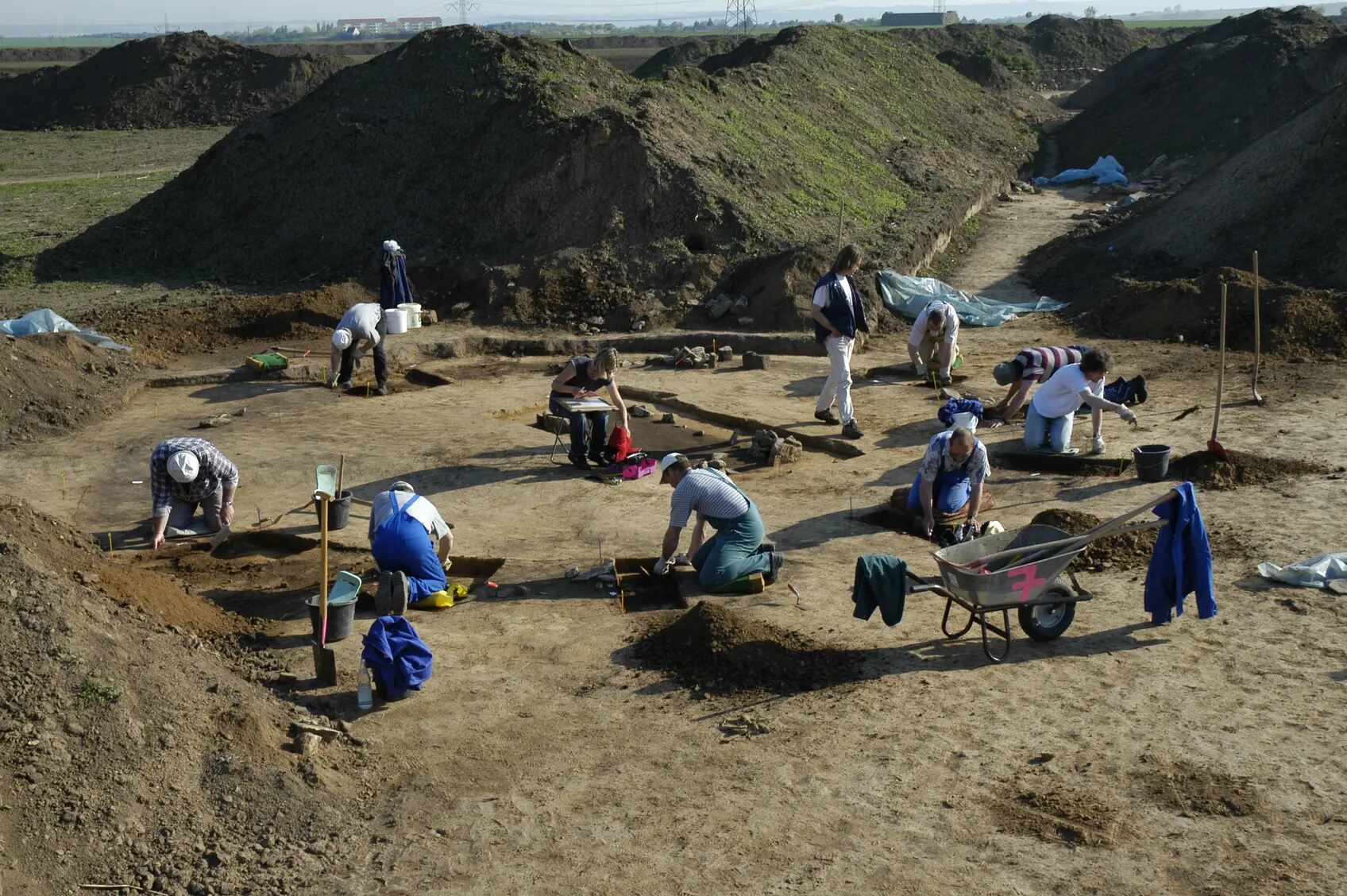
They also tested isotope data from cremated individuals at two sites in central Germany, Kuckenburg and Esperstedt, excavated by the State Office for Heritage Management and Archaeology, Saxony-Anhalt. The results were compared with genetic data from across Central Europe.
Gradual genetic change across regions
Lead author Eleftheria Orfanou of the Max Planck Institute for Evolutionary Anthropology said the findings show gradual and regionally varied change rather than a single transformation.
In central Germany, early Late Bronze Age populations largely descended from earlier Bronze Age groups linked to the Unetice culture. Over time, ancestry connected to early European farmers increased.
Using ancestry modeling, researchers found farmer-related ancestry rose from about 33 percent in earlier phases to nearly 37 percent later. Levels were higher in Bohemia and highest in southern Germany.
The north-south genetic divide dates back to around 2500 BC. In southern regions, ancestry shifts occurred earlier. In central Germany and southwest Poland, the change appeared closer to 1000 BC, suggesting later demographic connections within the Urnfield network.
Mobility and daily life among people in Bronze Age Europe
Isotope testing showed most individuals grew up locally. Only a few burials fell outside the local strontium range, and oxygen values did not point to distant origins.
Mobility patterns did not differ between men and women, unlike earlier Bronze Age periods. The findings suggest new cultural practices spread largely through contact rather than mass migration.
Diet evidence showed early adoption of broomcorn millet, a crop from northeast China, without major genetic change. Later, communities returned to wheat and barley. Researchers said this pattern reflects local choices rather than population replacement.
Burial customs, health, and social ties
Health indicators showed generally good dental condition and no signs of widespread epidemic disease. One individual carried limited bacterial DNA linked to gastrointestinal illness, but confirmation was uncertain.
Burial practices varied widely. Cremation and full-body burial occurred at the same time. No link was found between burial type and sex, ancestry, or kinship. At Neckarsulm in southern Germany, 12 men buried together showed no close biological ties, supporting earlier views that the group was socially formed rather than family-based.
Project leader Wolfgang Haak said communities balanced innovation with tradition as they adapted to change. The study portrays people in Bronze Age Europe as active participants in shaping their social and cultural lives.