Archaeologists have uncovered compelling evidence of a Phoenician presence in central Anatolia, following the discovery of distinctive artifacts and infant burials at the Oluz Höyük excavation site in Amasya province.
Among the most striking finds are glass beads shaped like human faces, believed to have originated from the Phoenician city-state of Carthage, and ceramic jars used for infant and fetal burials, arranged in deliberate patterns across a sacred area.
The beads, commonly associated with Phoenician craftsmanship and maritime trade, are thought to have served as protective amulets. Their presence deep inside the Anatolian interior signals that ancient trade networks may have reached farther inland than previously confirmed.
Researchers say the burial jars bear strong resemblance to funerary practices seen at Phoenician ritual sites along the Mediterranean coast.
Excavation uncovers long-hidden ritual zone
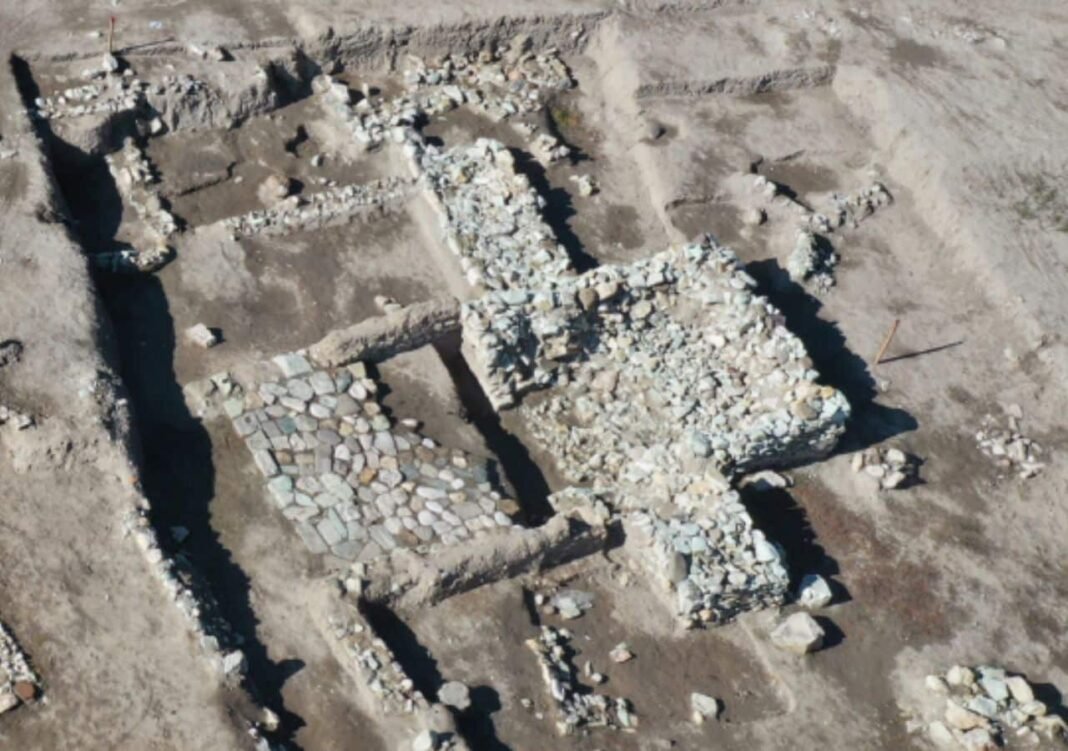
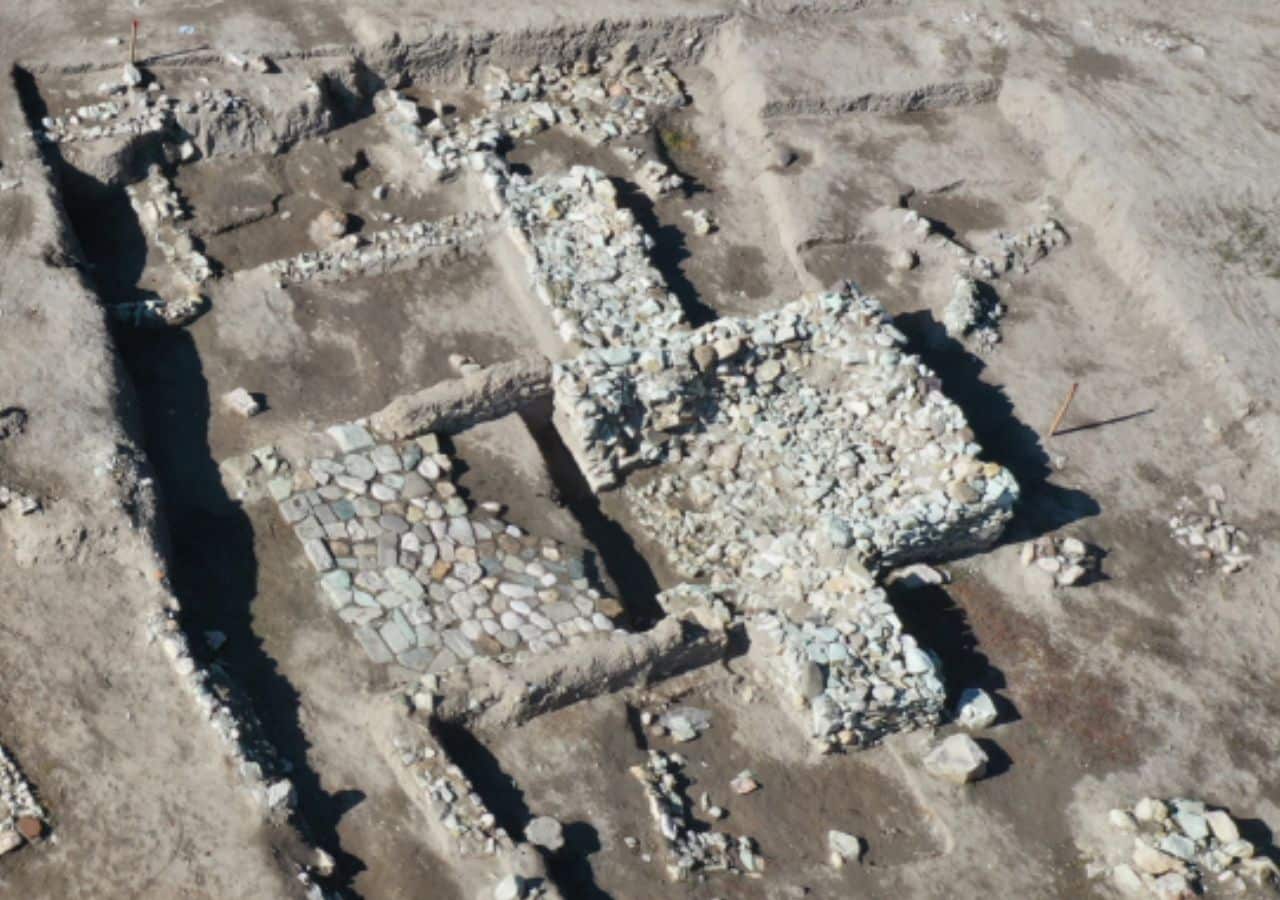
Excavations at Oluz Höyük began in 2007 and have so far revealed ten layers of settlement spanning roughly 6,500 years. The site contains architectural remains from the Hittite, Phrygian and Persian periods, including palatial structures and sacred spaces.
The recent findings came from a temple precinct dedicated to the ancient Anatolian goddess Kubaba.
Ancient discoveries at Oluz Höyük in Türkiye reveal rare evidence of Phoenician presence in central Anatolia. Human-faced glass beads linked to Carthage and unique infant jar burials suggest deep cultural ties and long-distance trade. #Phoenicians #Anatolia pic.twitter.com/JXp7FgeM7J
— Tom Marvolo Riddle (@tom_riddle2025) December 30, 2025
Professor Şevket Dönmez of Istanbul University, who leads the excavation, said the temple follows a long and narrow layout that mirrors architectural styles seen in Aramaean and Phoenician sanctuaries in the Eastern Mediterranean. He described the discovery of cultural traces tied to the Phoenicians so far inland as rare and significant.
Burial practices reflect rituals seen in the Phoenician world
Up to eight infant burials were found inside ceramic jars, spaced methodically across the temple area. Dönmez noted that such burial practices have no clear parallel in Anatolian traditions, but are consistent with customs observed in Phoenician cultural settings. At other Phoenician sites, similar burials have been linked to funerary rites, religious offerings or commemorative rituals.
In academic research, sacred precincts containing child burials in jars are often referred to as Tophets. While interpretations vary, many scholars believe they reflect ritual or votive practices rooted in local belief systems.
At Oluz Höyük, experts caution that although the findings align with those known from Phoenician contexts, any direct cultural connection must be assessed through scientific analysis.
Phoenician presence in central Anatolia
Dönmez emphasized that further study is needed to determine whether the children died of natural causes or were part of a ritual tradition. He said only interdisciplinary research can provide clear answers about the intent behind the burials.
The discoveries add to ongoing discussions about how Phoenician trade and cultural networks may have extended beyond coastal regions into the heart of Anatolia.