

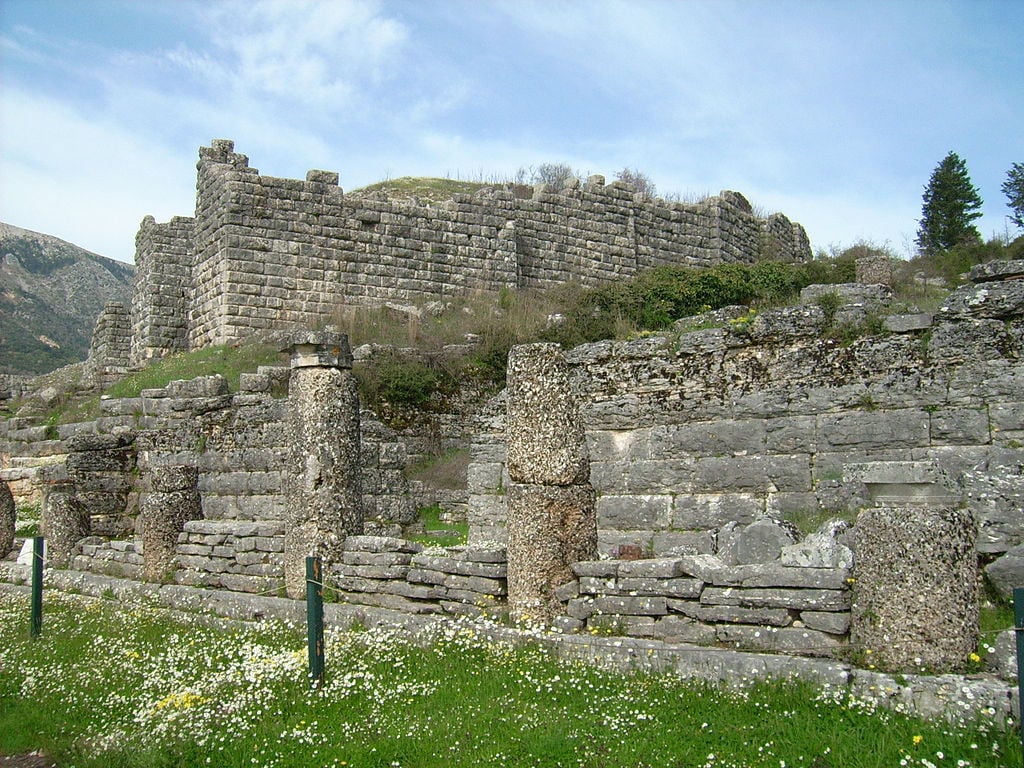
AI is helping breathe new life into the Oracle of Dodona, one of Greece’s oldest sacred sites, through a new augmented reality platform designed to make visits more engaging and easier to follow.
The project, led by Elissavet Kosta of Ionian University in Corfu, Greece, shows how digital tools can help visitors explore ancient heritage through stories, mobile guides and on-site interaction.
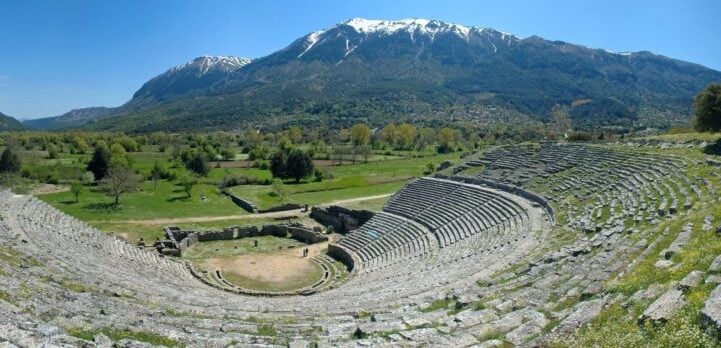
The study, published in Strategic Innovative Marketing and Tourism, centers on the ARDION project. Researchers built the platform to improve the visitor experience at Ancient Dodona, an open-air archaeological site where traditional signs and explanations may not fully convey the site’s layered history.
The system combines augmented reality, geolocation tools and storytelling features to create a more immersive visit.
Ancient Dodona gets a digital guide built for modern visitors
At the heart of the project is a web-based platform that allows experts, educators and citizens to build personalized mobile guides. Those guides can deliver multilingual content and adapt to different visitor needs and interests. On-site, visitors use a mobile app that connects digital material to specific points across the site.
The platform includes several features meant to make the experience more vivid. Visitors can access 3D reconstructions, soundscapes and game-like tasks tied to different locations. Digital avatars also guide users through parts of the experience, drawing on Dodona’s long association with prophecy and local tradition.
Researchers said a major innovation is the use of AI to support story creation. Instead of replacing human authors, AI tools assist users as they draft and refine narratives.
The system can suggest story elements, adjust tone, connect historical themes and generate visual emblems based on contextual information. Researchers describe the AI as a creative partner rather than a substitute for human judgment.
The project was developed through a user-driven process that included summer camps, focus groups and participatory prototyping. Researchers tested two main parts of the system during a two-day evaluation at Ancient Dodona: the storytelling authoring tool and the visitor mobile app.
AI helps shape stories at Greece’s Oracle of Dodona
The study involved 20 participants working in archaeology, museology and cultural heritage management. They were introduced to the platform, trained on the authoring tool and then asked to use the app at the site. Afterward, they rated both tools using the System Usability Scale, a common method for testing digital systems.
Results showed room for improvement. The story creation tool received an average usability score of 50.63 out of 100. The visitor app scored 51.50.
Researchers said both results fall into a marginally acceptable range and point to usability issues that need attention. Participants praised the platform’s innovation and the use of AI, but also reported problems with onboarding, interface clarity and the transparency of AI-supported features.
Researchers said those findings are especially valuable because the participants were specialists with high standards for accuracy and clarity. The study concludes that ARDION offers a promising model for digital heritage, but needs a simpler interface, stronger guidance and clearer explanations of how AI suggestions work.


