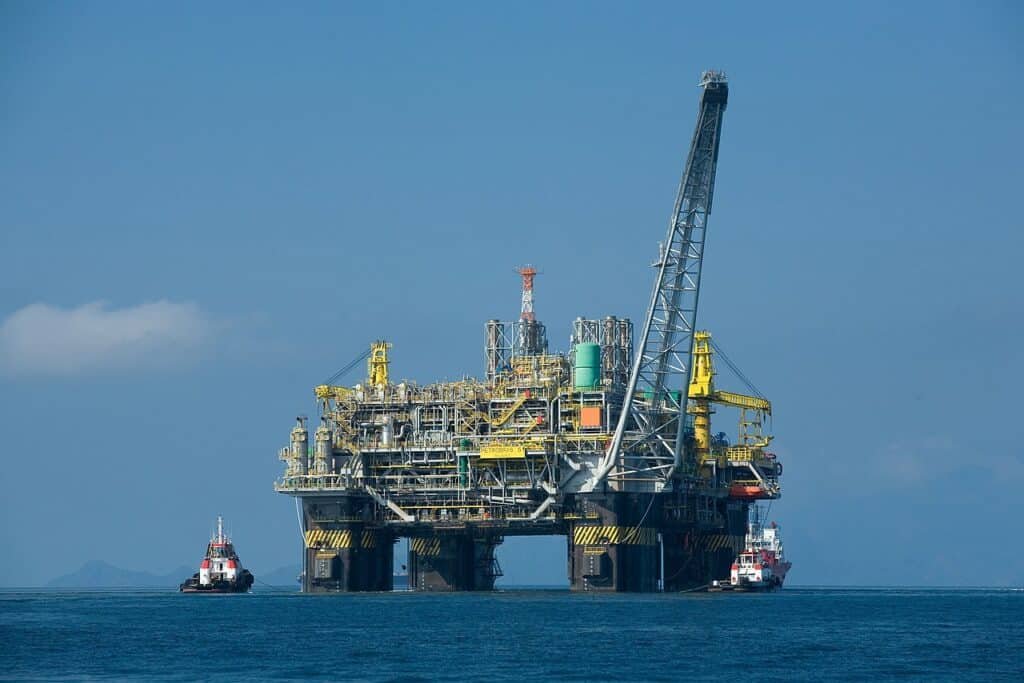

Greece is advancing both offshore energy exploration and regional defense drills in the East Mediterranean sea. The Chevron and HELLENiQ ENERGY consortium beggining geophysical surveys south of the Peloponnese on Friday, November 20, 2026. Simultaneously, armed forces from Greece, Cyprus, and Israel are conducting complex joint air and naval exercises.
Together, these initiatives respond directly to Ankara’s ongoing efforts to assert maritime claims across the region. Turkish Foreign Minister Hakan Fidan recently renewed Turkey’s territorial demands while highlighting diplomatic developments in Libya.
Launching seismic surveys South of the Peloponnese
Offshore surveys officially started in the southern Ionian Sea and the Sea of Kythira under a Greek NAVTEX directive. This maritime notice remains active until January 7, 2027. Working on behalf of the Chevron-HELLENiQ ENERGY consortium, the seismic research vessel Ramform Tethys is currently operating inside the “A2” and “South of Peloponnese” hydrocarbon blocks. Two specialized support ships escort the vessel during its mission.
Under Greek maritime safety rules, passing ships must keep eight nautical miles behind the vessel’s stern. Vessels must also stay three nautical miles away from its sides because its towed seismic cables extend six miles.
These operations pave the way for future exploration south of Crete. Greek Energy Ministry officials confirmed that surveys in two blocks south of Crete, including “South of Crete 2,” will begin in 2027.
Turkey-Libya Maritime Dispute Looms Over Future Exploration South of Crete
While the current seismic surveys are taking place south of the Peloponnese, Greece is also preparing to expand hydrocarbon exploration into waters south of Crete in 2027. Those plans bring a separate maritime dispute with Turkey and Libya into focus.
Addressing the Turkish parliament, Foreign Minister Hakan Fidan repeated Ankara’s maritime claims and warned of a “decisive stance.” Fidan pointed to the recent ratification of the Turkey-Libya maritime memorandum by eastern Libya’s House of Representatives. Turkish lawmakers are preparing domestic legislation codifying Ankara’s “Blue Homeland” maritime doctrine.
These actions signal potential friction once the Ramform Tethys deploys its cables inside the “South of Crete 2” block. Ankara claims parts of that maritime zone fall under the contested Turkey-Libya agreement. Despite Turkish defenses of the pact, international actors widely condemned the ratification. The U.S. State Department labeled the move an “unconstructive and provocative” step that escalates regional tensions.