Depictions of dancers on ancient Greek jars may offer clues to religious traditions centered on harvests, offerings and the worship of gods more than 2,600 years ago. Archaeologist Alexandra Pentoti of the National and Kapodistrian University of Athens says some scenes may show ceremonies accompanying food and wine offerings to the gods.
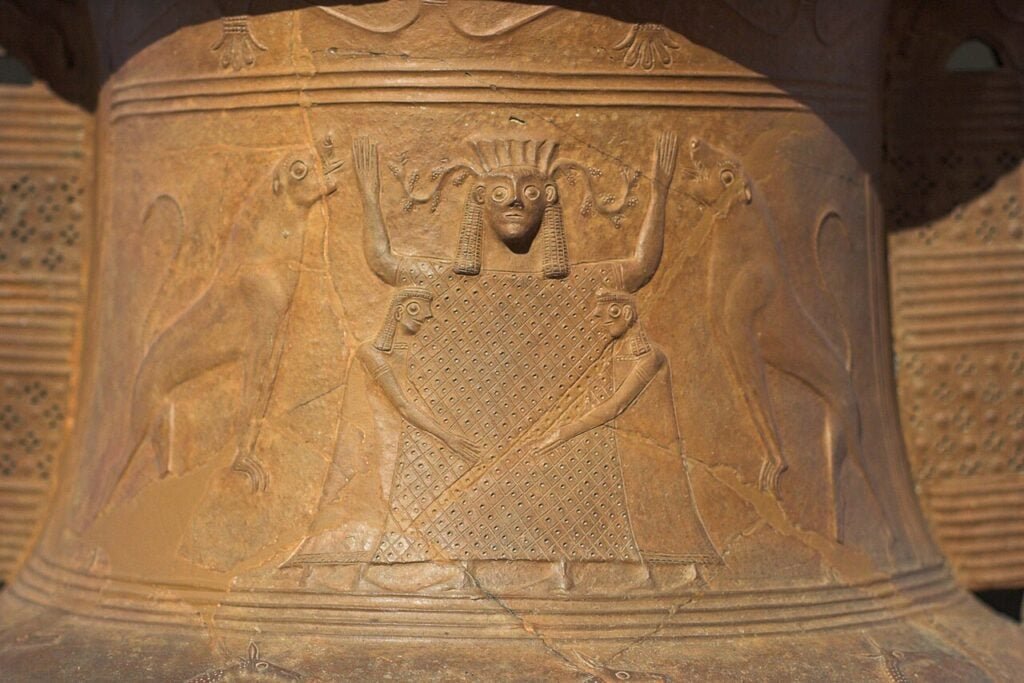
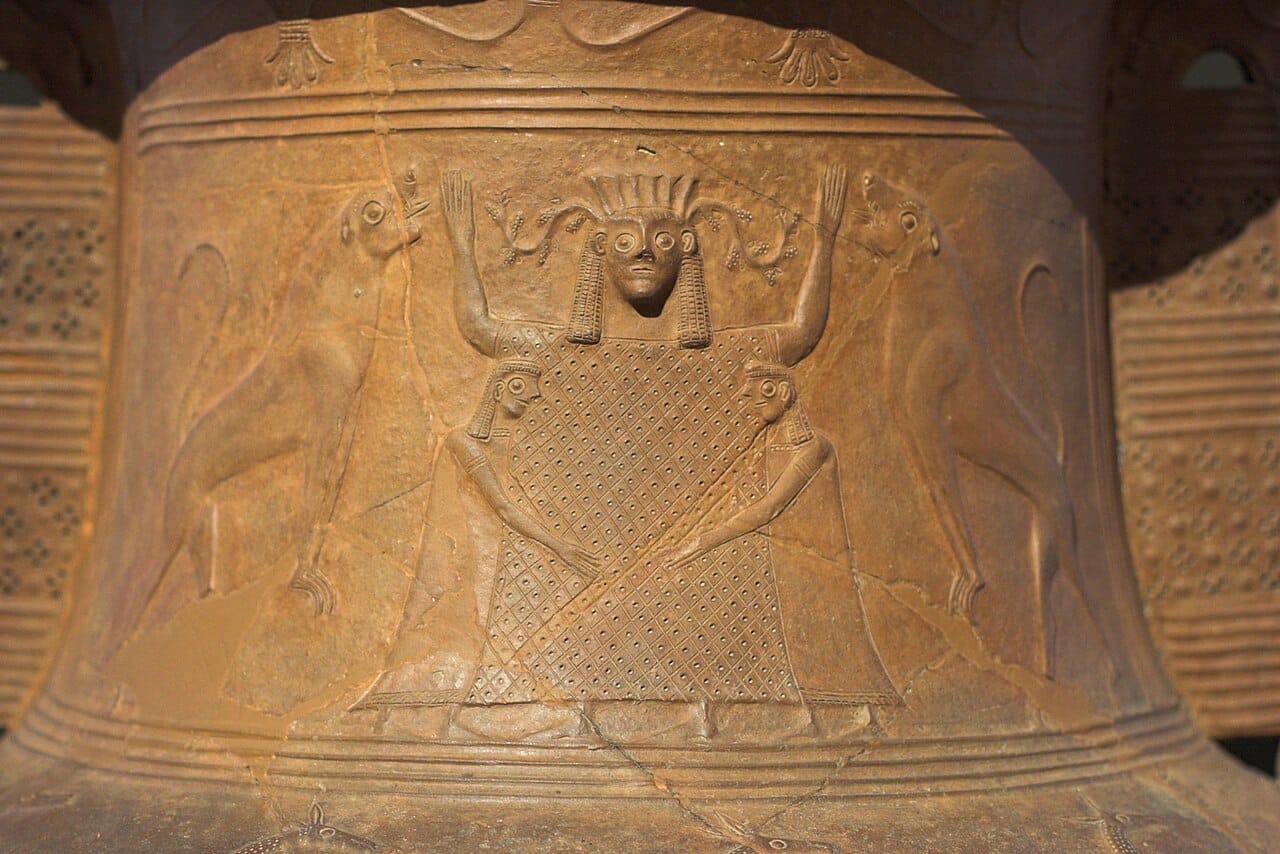
Her research examines large pottery vessels known as pithoi, used to store agricultural products and sometimes presented as sacred offerings. The decorated jars appear at religious sites across the central and southern Aegean, with examples dating from the late eighth century B.C. onward.
One fragment from Zagora on Andros shows men holding wrists, with blades fastened at their waists. At Xobourgo on Tenos, a dance involving men and women appears in parallel bands. Another vessel from Despotiko shows women linking raised hands.
The locations include a ruler’s residence and sanctuaries associated with worship. Together, the finds span distinct communities but share a striking focus on coordinated movement.
Dancers on ancient Greek jars offer clues to religious traditions
Pentoti links these scenes to “aparchai,” offerings of early agricultural produce intended to thank the gods and seek protection for future harvests. The jars may have contained grain, wine, or fruit, with some supplies used in ceremonial meals.
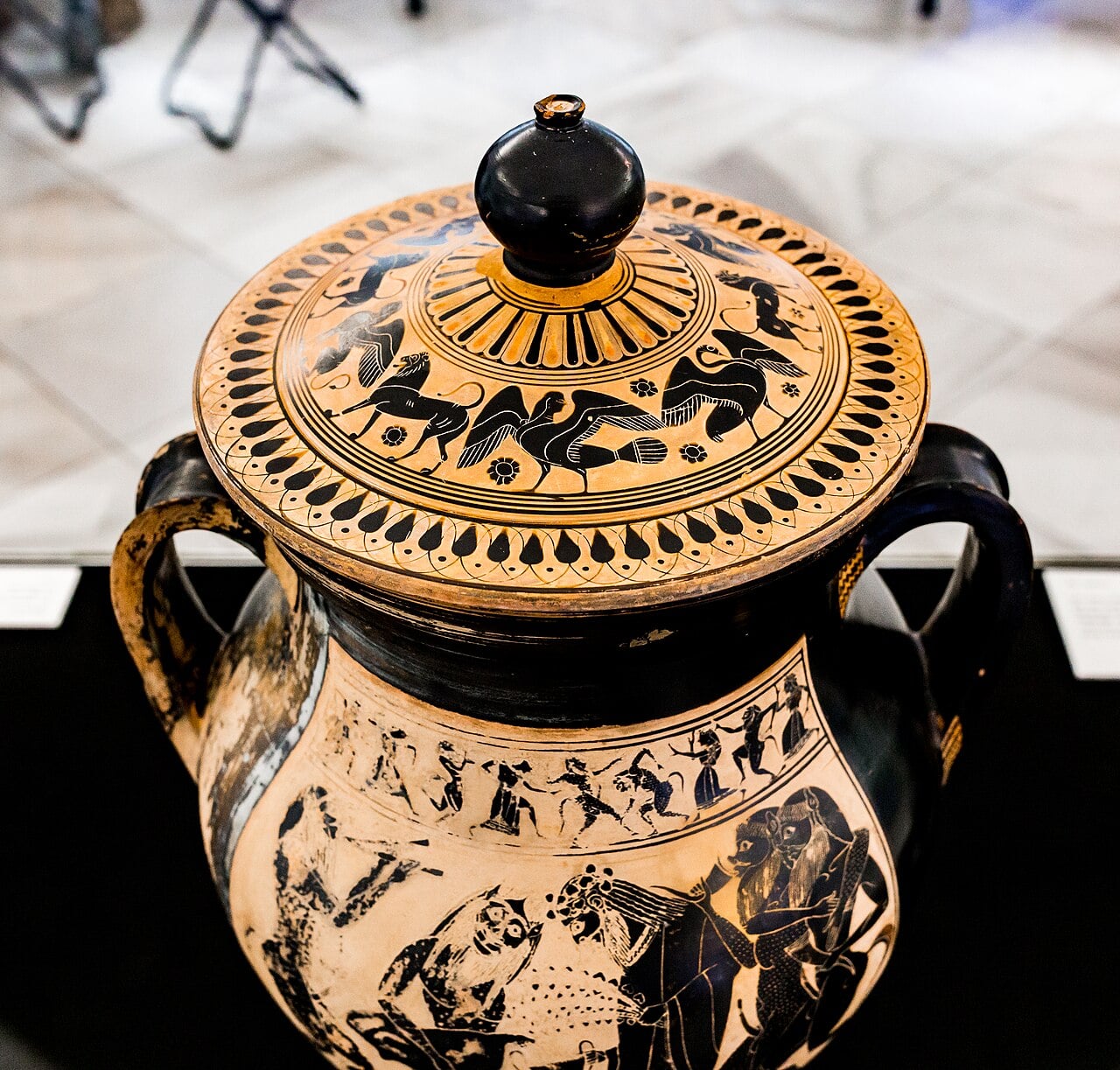
The patterns may also reflect specific dances. In the myth of Theseus, young men and women performed the winding “geranos” dance on Delos after escaping the Cretan labyrinth.
Pentoti suggests that the linked figures and changing directions on the pottery could evoke similar movements. Ancient accounts also describe maidens dancing and singing at Apollo’s island sanctuary.
Other depictions point toward different ceremonies. A painted jar found in a burial at Thebes may be associated with a festival honoring Apollo. A later Cretan vessel shows a woman dancing with satyrs, figures connected in the study to possible rites involving Dionysus, wine and fertility.
Harvest rituals may explain the ancient dance scenes
The analysis also draws connections to Artemis, Zeus and early female fertility deities. Raised arms on some jars resemble gestures of prayer or divine appearance. Group dancing, Pentoti argues, could have accompanied offerings while marking seasonal changes or major stages of human life.
Such ceremonies may have reinforced bonds within communities while displaying the standing of families or religious leaders who donated elaborate vessels.
Pentoti calls the proposed practice the “dance of the aparchai,” but no ancient record establishes it as a distinct, formally named ritual. The images could instead reflect related local customs that developed over time.
The findings suggest that the decorated storage jars preserved more than food. They may also have carried memories of how ancient Greek communities celebrated the harvest and sought divine favor.