A lost Roman mosaic may offer the clearest visual proof yet that women in Roman arenas did more than simply appear in spectacles. New research suggests that some women also took part in dangerous animal hunts.
Mosaic found in Reims
In a study published in The International Journal of the History of Sport, lead author Alfonso Manas identifies what may be the only known image of a female beast-fighter from the Roman world.
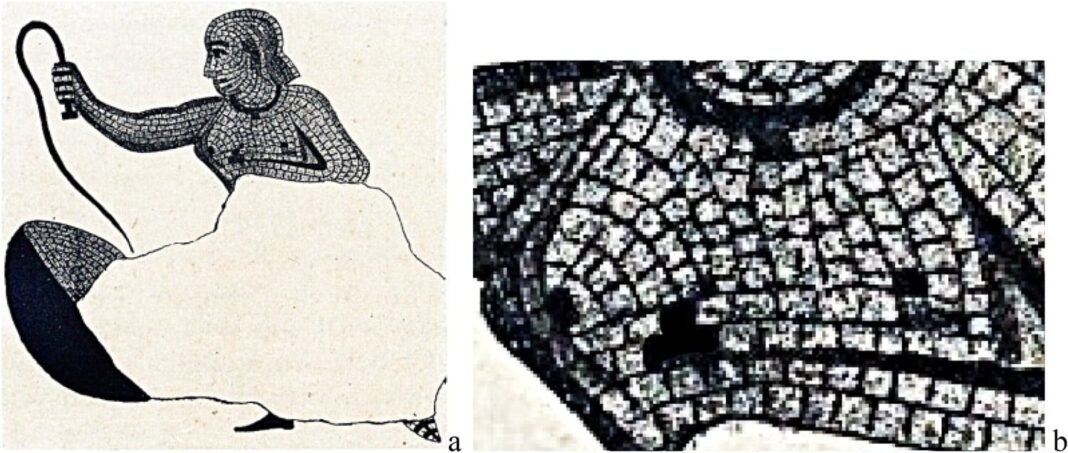
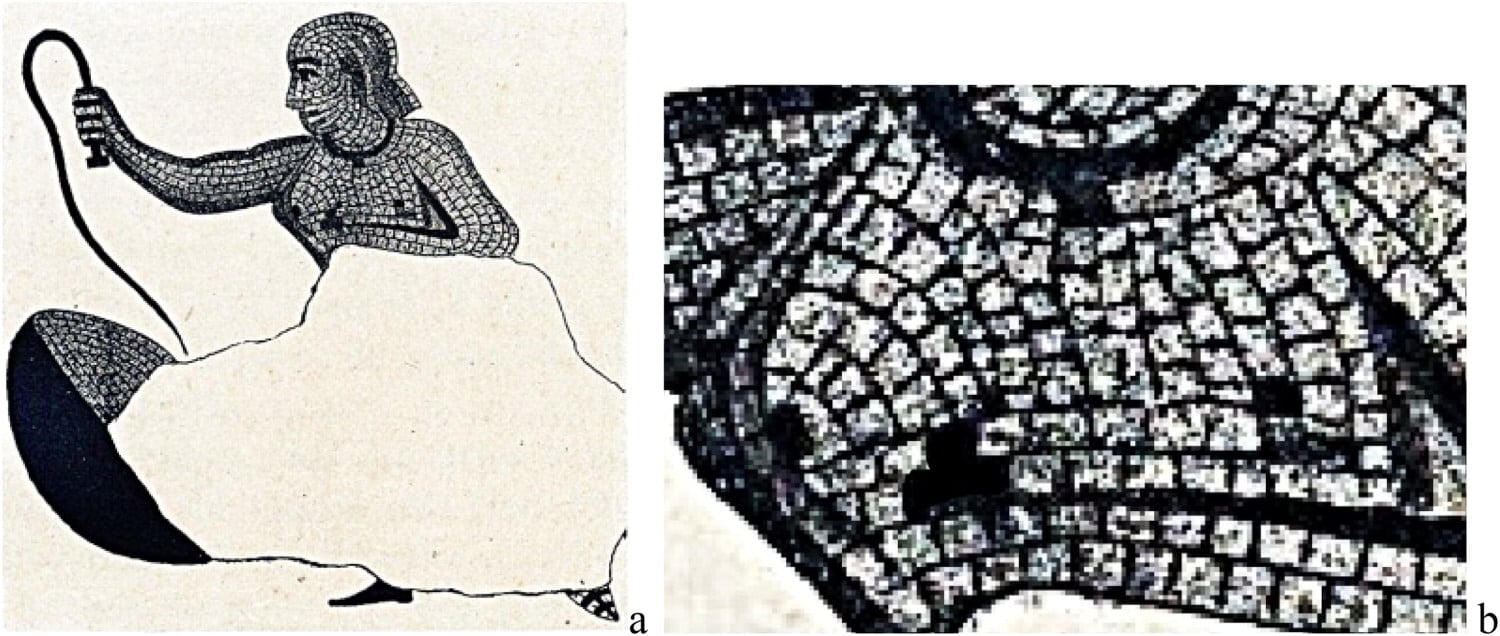
The image comes from a ancient mosaic found in Reims, France, in 1860 and was later destroyed during World War I. Although the original work no longer survives, drawings made soon after its discovery preserved key details. Manas argues that one of those figures shows a woman engaged in an arena hunt, adding new evidence to the history of women in Roman arenas.

Researchers say the figure was female
The study says the figure’s sex can be identified from the image itself. Earlier scholars had only raised the possibility that the person might be a woman. Manas argues the evidence is stronger than that.
The preserved drawings show a topless figure with visible breasts and facial features that differ from the male figures elsewhere in the mosaic. According to the study, the exposed chest was likely meant to make the figure’s sex clear to viewers. Other bareheaded men in the same mosaic do not show the same body shape or softer facial outline.
That matters because no widely accepted visual source has previously shown a woman fighting beasts in Roman entertainment. Written sources have long described such performances, but no image has clearly confirmed them.
The woman was likely a trained beast-fighter

The study also argues that the figure was not a comic performer, animal handler or background assistant. Instead, Manas identifies her as a female hunter who fought wild animals in the arena.
The woman is shown holding a whip and standing next to a leopard. Her position in the scene suggests she is actively driving the animal toward another hunter. Based on that role, the study describes her as a female beast-fighter, using the term “venatrix,” the feminine form of the Latin word for a hunter.
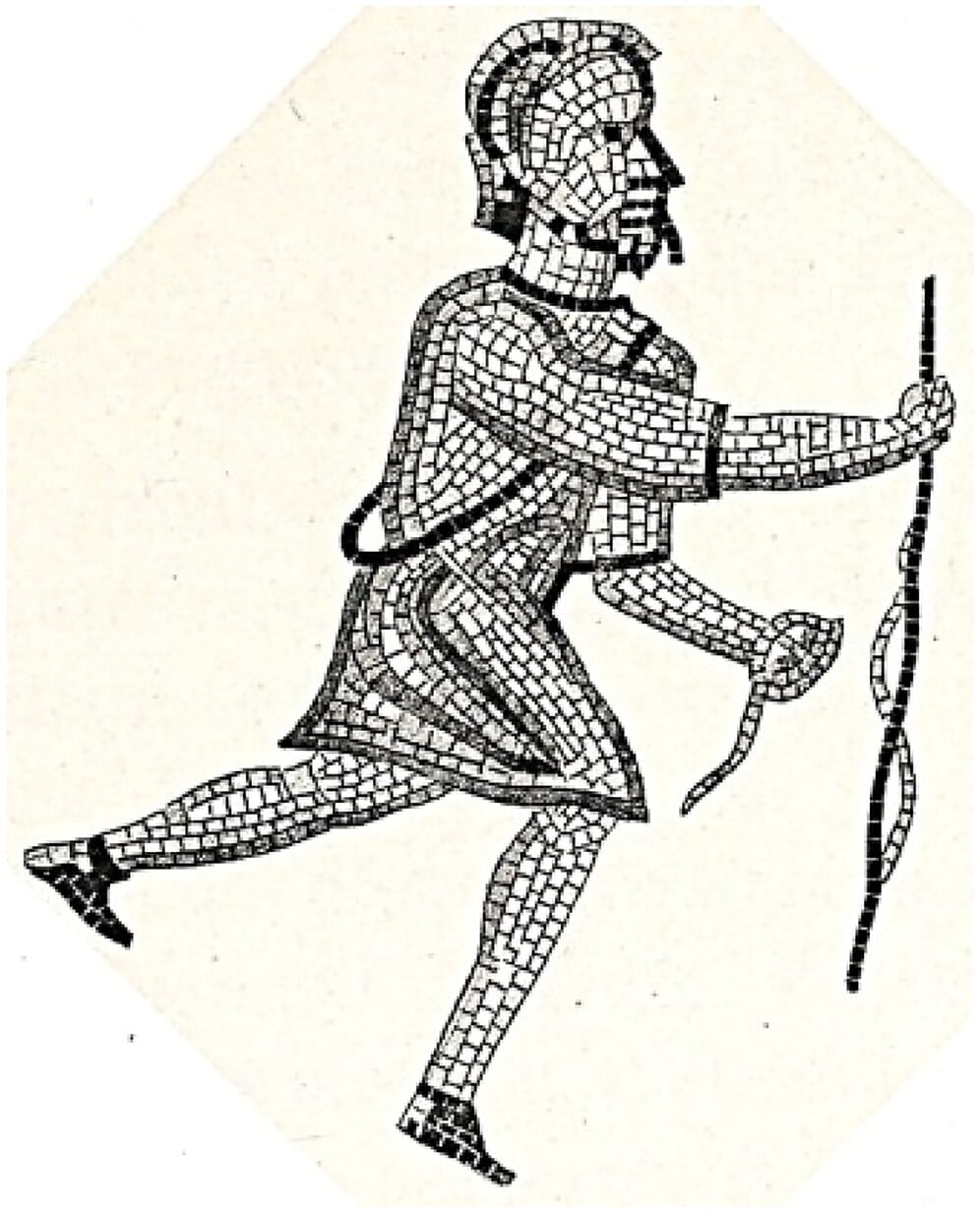
Earlier interpretations had labeled the figure as a different type of performer. Manas rejects those readings, saying the equipment does not match those roles. The figure does not carry the gear linked to comic arena performers. Instead, she appears to be taking part in a serious and risky hunt.
The finding could extend the timeline by a century
The study says the Reims mosaic dates to the third century. That date is important because it pushes the history of female arena hunters much later than scholars had thought.
Written evidence had suggested that female beast-fighters largely disappeared soon after about AD 100. Female gladiators are generally thought to have vanished by around AD 200. If the Reims image truly shows a woman hunting animals in the arena, it means female performers remained part of Roman arena culture at a later date than previously known.
That would add about a century to the known history of female beast-fighters and also extend the broader timeline of women’s participation in Roman arena events.
Ancient texts had already hinted at these performances
The study points to several ancient written sources that mention women taking part in animal hunts. These include references from Cassius Dio, Martial, and Juvenal. But those texts do not provide visual proof, and the subject has received far less attention than male gladiator combat.
Because of that gap, the figure from Reims carries unusual weight. It offers a possible link between literary references and an actual arena image. Researchers say that makes the mosaic important not only for the study of female performers, but also for the wider history of Roman public entertainment.
She was probably not a condemned prisoner
The study also distinguishes trained hunters and people sentenced to die in the arena. In Roman spectacles, some prisoners were thrown before wild beasts as punishment. Those victims were usually unarmed and were not expected to survive.

Manas argues that the woman in the mosaic does not fit that pattern. She holds a whip and may also have carried another object, possibly a weapon. That suggests she was not a helpless victim but someone equipped to face animals in performance.
For that reason, the study says she was most likely a trained hunter rather than a condemned prisoner sent into the arena to die.
Female hunters may have been viewed differently from female gladiators
The research also suggests Roman audiences may have judged female hunters less harshly than female gladiators. Women who fought as gladiators often drew criticism in ancient writing. But female hunters may have seemed easier to accept because Roman culture already knew respected female hunting figures such as Diana and Atalanta.
That difference may help explain why women hunting animals could continue as a form of entertainment even after female gladiators faded from the record.
The study also notes that the topless presentation may have added spectacle for the crowd. At the same time, it served an artistic purpose by making it clear that the performer was a woman.
A forgotten image may change the history of women in Roman arenas
Although the original mosaic was destroyed more than a century ago, the preserved drawings now offer fresh evidence for a long-debated question. Manas concludes that the figure is both female and a beast-fighter, making it the strongest visual case yet for the presence of women in Roman arena hunts.
That conclusion does more than identify a single performer. It broadens the known roles of women in Roman arenas and shows that female participation in these violent spectacles may have lasted longer than historians once believed.