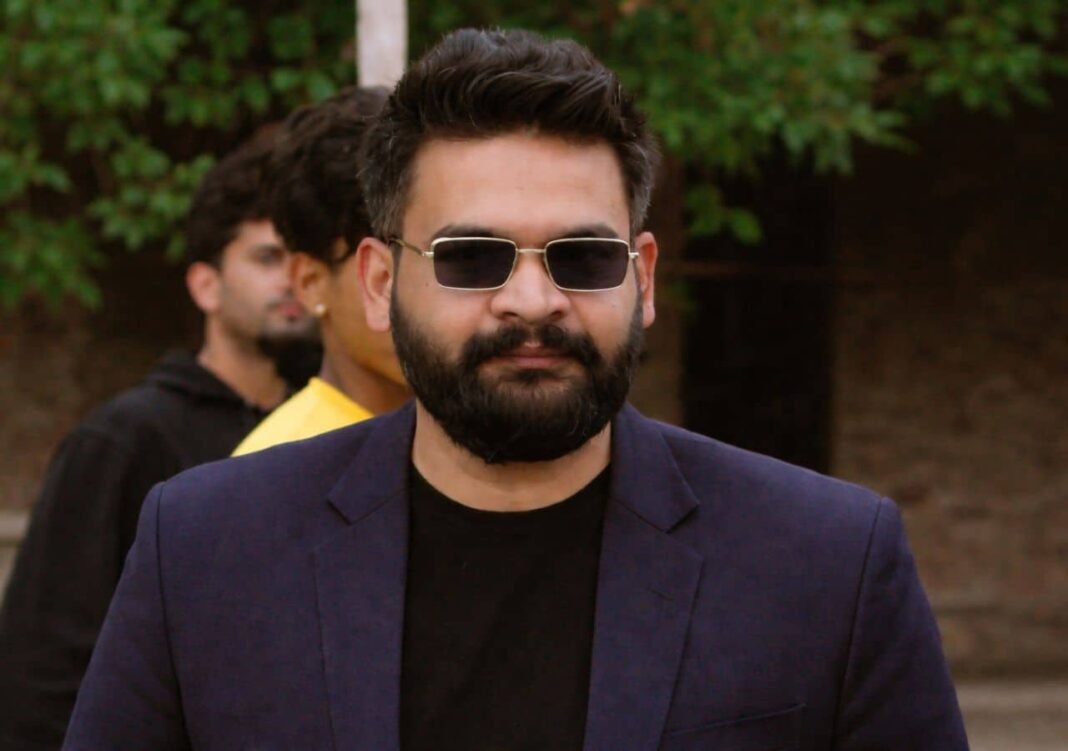
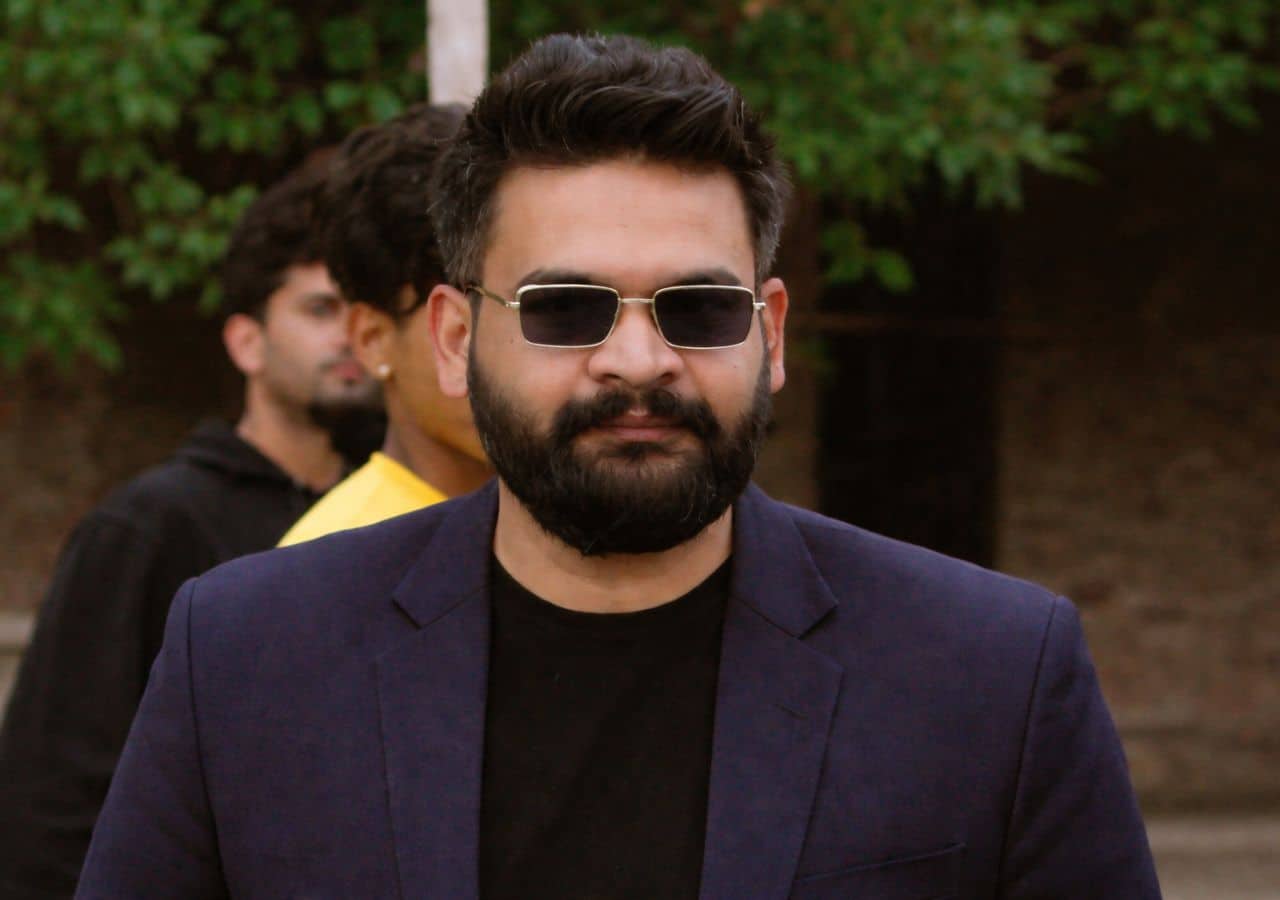
Nepal’s new prime minister, Balendra Shah, is a rapper-turned-politician whose rise reflects the force of youth anger and calls for change. At 35, Nepal’s prime minister built his image first through music, then through public office, before leading his party to a sweeping election victory.
Known widely as Balen, Shah became famous in Nepal as a rapper whose songs focused on corruption, poverty, unemployment and public frustration with politics. Trained as an engineer, he studied civil engineering in Kathmandu and later completed a master’s degree in structural engineering at Visvesvaraya Technological University in Karnataka, India.
He entered politics in 2022 and won the Kathmandu mayor’s race as an independent candidate, defeating nominees from established parties. As mayor, he became known for visible city reforms, including cleanup drives, the removal of illegal structures and skills programs for young people.
From rapper to Nepal’s Prime Minister
His move to national leadership followed months of unrest led largely by young Nepalis. The protests grew after the government restricted social media platforms, angering a generation that used online spaces to communicate, organize and debate politics.
Rapper-politician Balendra Shah set to be Nepal’s next prime minister pic.twitter.com/NOBBa7ZgUb
— WorldLast24hr News (@worldlast24hrss) March 7, 2026
Students and young professionals spread memes, short videos and campaign messages online, while groups such as Youth Against Corruption drew large support. The “Nepo Kids” trend became a popular way to criticize political privilege and dynasties.
The unrest deepened in September. Protests over the social media ban widened into broader anger over corruption, lack of opportunity and governance. The government responded with force.
Nineteen protesters were killed in the crackdown, and wider unrest and arson attacks left 70 dead. The turmoil led to the fall of the government led by four-time Prime Minister K.P. Sharma Oli.
Election victory and political shift
Shah later joined the Rastriya Swatantra Party, a relatively new political force, and became its leading figure in the election. The contest was seen as a test between Nepal’s long-dominant political class and a younger generation seeking a different direction.
He ran directly against Oli in Jhapa-5 and won by 68,348 votes to 18,724. The party also secured a rare outright majority, a striking result in Nepal, where the electoral system has often produced weak coalition governments. Final results, including proportional representation seats, were still pending.
RSP leader Ramesh Paudyal said the outcome showed public support for hope, change and the youth movement that reshaped Nepal’s politics. Political analyst Lok Raj Baral said voters had placed very high expectations on Shah, but warned that governing would be difficult because the bureaucracy remained unchanged.
He also said challenges would begin immediately, especially as Nepal faces economic pressure, youth migration and the task of managing ties with India and China.