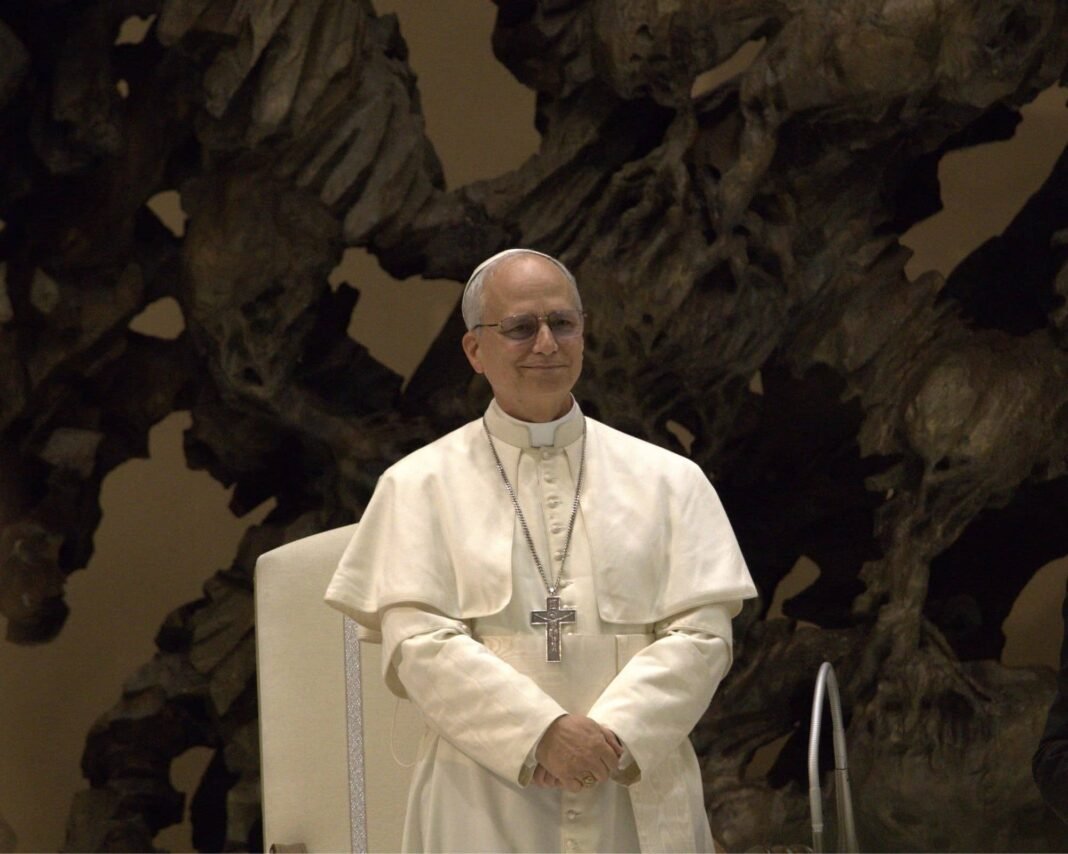

Pope Leo XIV has warned priests against using artificial intelligence (AI) to write sermons, saying technology cannot replace personal faith or spiritual responsibility. Speaking to clergy from the Diocese of Rome, the pope said priests must rely on their own prayer, reflection, and experience.
The pope made the remarks during a closed-door question-and-answer meeting on Feb. 19, according to Vatican News. He told priests that preparing sermons requires mental and spiritual effort, and relying on AI risks weakening that discipline. He explained that human intelligence, like the body, must be exercised to remain active and effective.
Pope said preaching is not a technical task but a personal act of faith. He stressed that a sermon involves sharing belief and lived experience, something AI cannot do. While AI may assist in practical areas, he said it cannot replace the human role of a priest in preaching the Gospel.
Pope warned priests about AI and the meaning of sermons
The comments came as the Vatican announced a new AI-based system designed to translate liturgical texts into as many as 60 languages in real time. The pope’s remarks highlighted a clear boundary. He indicated that technology may support communication, but it should not shape the spiritual message itself.
JUST IN: Pope Leo asks priests to stop using artificial intelligence to write sermons. pic.twitter.com/ksh0xowmq7
— Polymarket (@Polymarket) February 26, 2026
During the meeting, Pope also cautioned priests about social media use. He said online platforms can create the false impression that popularity reflects spiritual impact.
He warned that likes and followers do not equal genuine connection or faith. Priests, he said, should focus on living a life rooted in prayer and service rather than online attention.
The pope emphasized that time spent in prayer is essential for priests. He said prayer should involve meaningful time with God, not rushed routines or habits done without reflection.
Pope warns against online popularity in ministry
Clergy members asked the pope how to support young people facing family instability and emotional hardship. Pope urged priests to understand the realities many young people live with, including broken homes and abandonment. He encouraged closeness, guidance, and offering a clear example of priestly life rather than trying to imitate youth culture.
Pope also called on priests to expand outreach beyond those who already attend church. He encouraged creative initiatives, including cultural and community activities, to engage those who stay away.
Addressing relations among clergy, the pope urged priests to build friendships and avoid rivalry. He encouraged shared prayer, study, and time together as a way to strengthen unity.
Returning to the main theme, Pope said priests must remain personally present in their ministry. He insisted that while laypeople play an important role, priests should not distance themselves from core duties.