

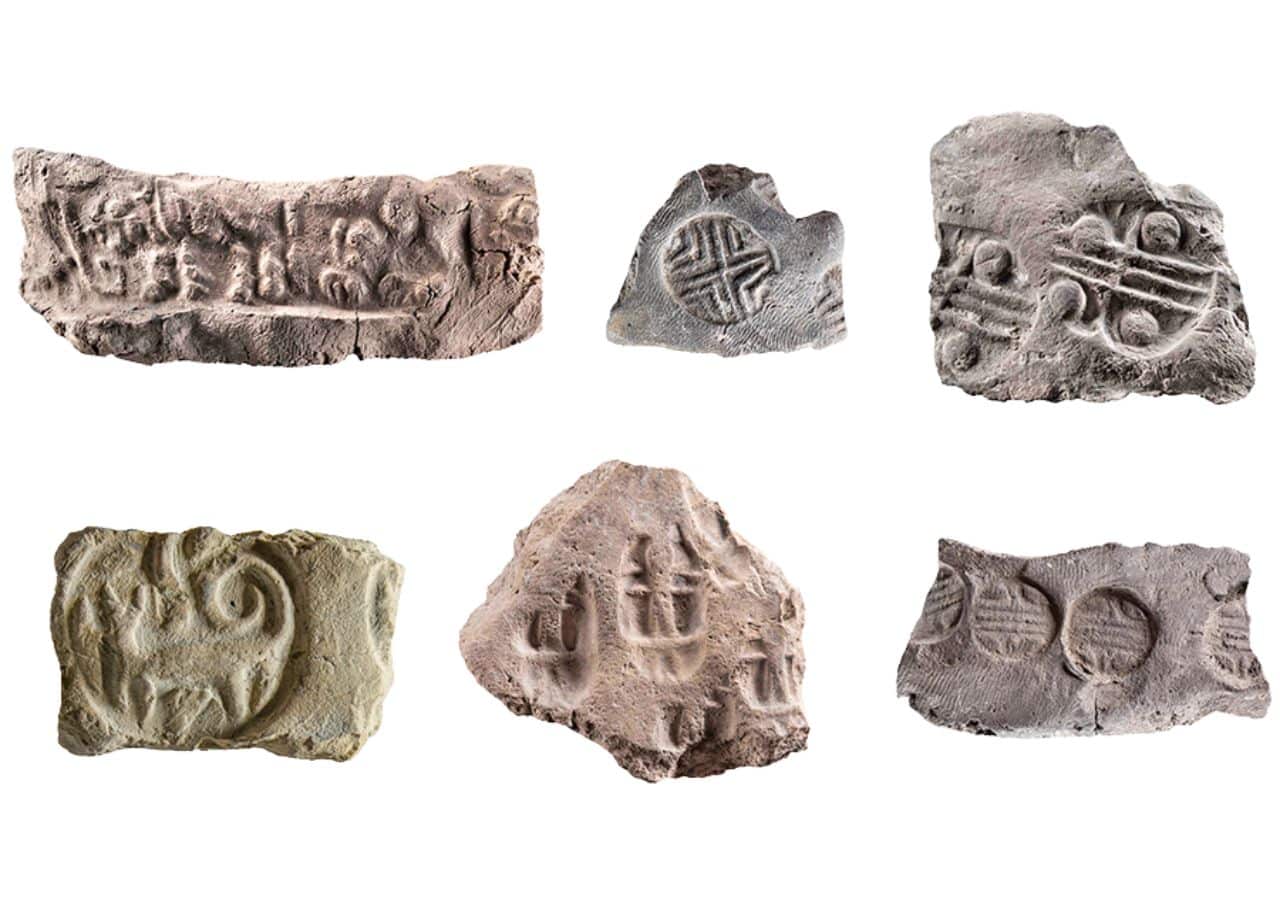
Archaeologists have identified the largest known collection of prehistoric seal impressions ever recorded after uncovering more than 7,000 examples at Tapeh Tyalineh in western Iran.
The discoveries, published in the journal Antiquity, point to a complex system used to manage goods and trade about 5,000 years ago, placing Iran at the center of early administrative development.
The cache includes over 7,000 seal impressions, more than 200 clay figurines and tokens, and two cylinder seals. Researchers say the scale and variety of these materials show that Tapeh Tyalineh served as a major hub for organized exchange.
Such a role would have required systems to control storage, track goods, and verify transactions, functions linked to the earliest forms of bureaucracy.
The study was led by archaeologist Shokouh Khosravi, who described the finds as clear evidence of structured administrative practices. Similar systems are known from parts of south-western Iran and the Susiana lowlands during the late fifth and early fourth millennia BC.
However, seals from this period are rare in the Central Iranian Plateau, north-western Iran, and the Central Zagros, making the Tapeh Tyalineh discoveries unusual.
Early exposure of prehistoric seal impressions in Iran
Tapeh Tyalineh lies on the Kouzaran plain, north of Mahidasht, about 25 kilometers (15.5 miles) west of Chogha Zanbil. The site first drew attention after unauthorized soil removal exposed 67 sealings dated to roughly 3200 to 2800 BC. Later investigations revealed that the exposed material was only a small part of a much larger assemblage.
The site has suffered heavy damage. Khosravi reported that one to two meters (3.3 to 6.6 feet) of upper deposits across about 2,000 square meters (21,500 square feet) were destroyed by local activity. Annual plowing by farmers has also caused serious harm to the remaining archaeological layers.
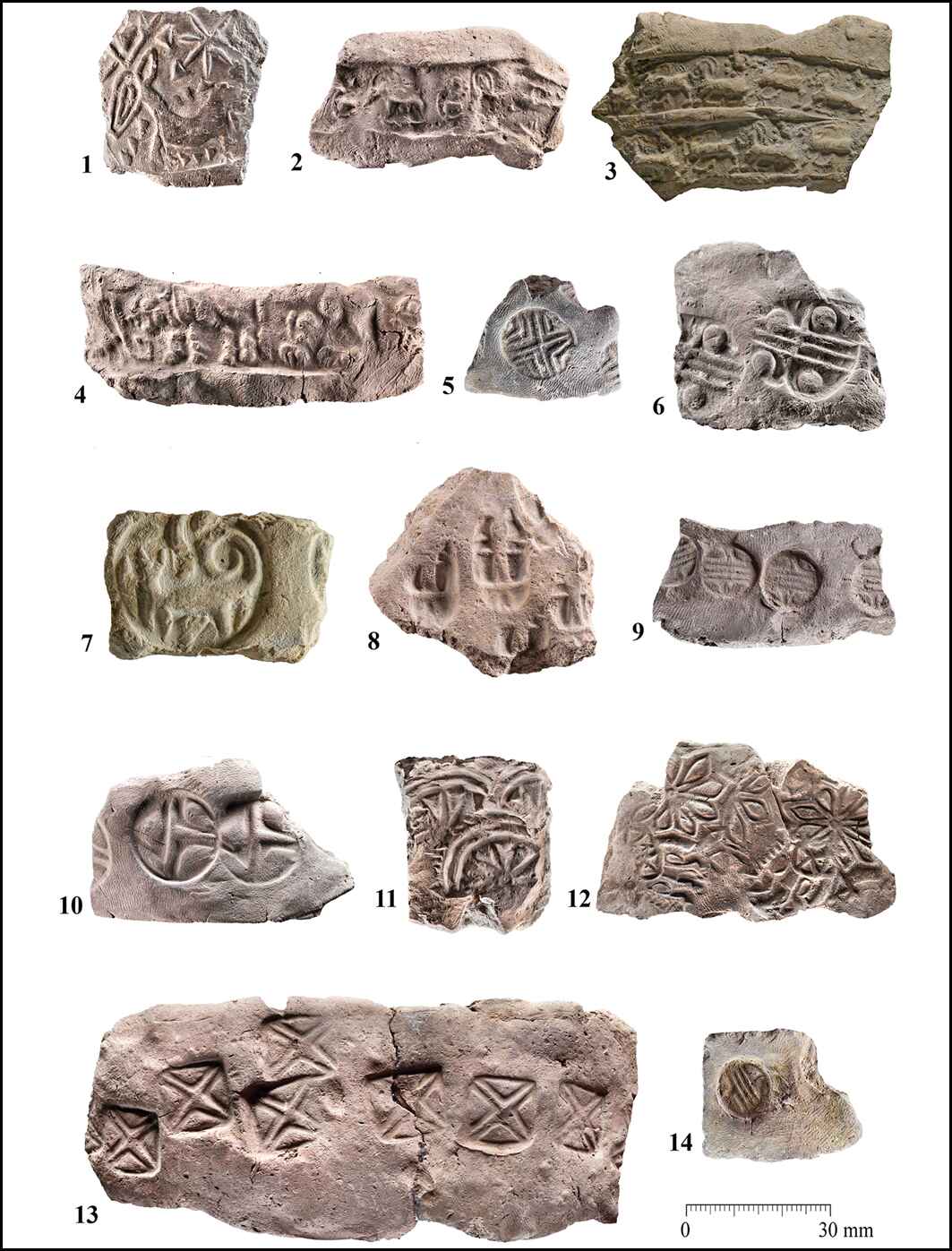
Researchers believe the seal impressions accumulated gradually. While absolute dating is still in progress, the evidence suggests activity spanning several decades, possibly up to 100 years.
The seals were used on door pegs of storage facilities, as well as on sacks, jars, and receipts, allowing officials to monitor access and detect interference.
Evidence of trade networks and administrative roles
Differences among the impressions reveal how the system worked. Seals used on vessels differ from those applied to sacks, indicating goods arrived from multiple locations. Khosravi explained that some seal owners appear to have been responsible only for sealing storage doors, while others sealed both containers and entrances.
The diversity of prehistoric seal impressions suggests wide-ranging contacts. Excluding seal types linked only to storage facilities, researchers estimate that site residents interacted with more than 150 individuals involved in exchange across nearby and distant communities in Iran.
Future research will examine plant and animal remains, stone tools, pottery, and other administrative materials. Laboratory studies to trace the origin of samples are underway, and large-scale geophysical surveys are planned. If work proceeds as expected, excavations at the site may resume in 2027.


