

More than 4,000 years before modern highways and petroleum refineries, Sumerians in ancient Mesopotamia were engineering materials in ways that closely resemble advanced asphalt technology, according to new research.
The study, published in the Journal of Archaeological Science: Reports, shows that Sumerian builders did not treat bitumen as a raw substance used by trial and error.
Instead, they followed consistent and repeatable formulas, carefully adjusting ingredients to suit different purposes. The findings point to a level of technical knowledge rarely associated with such early societies.
An ancient city provides new evidence
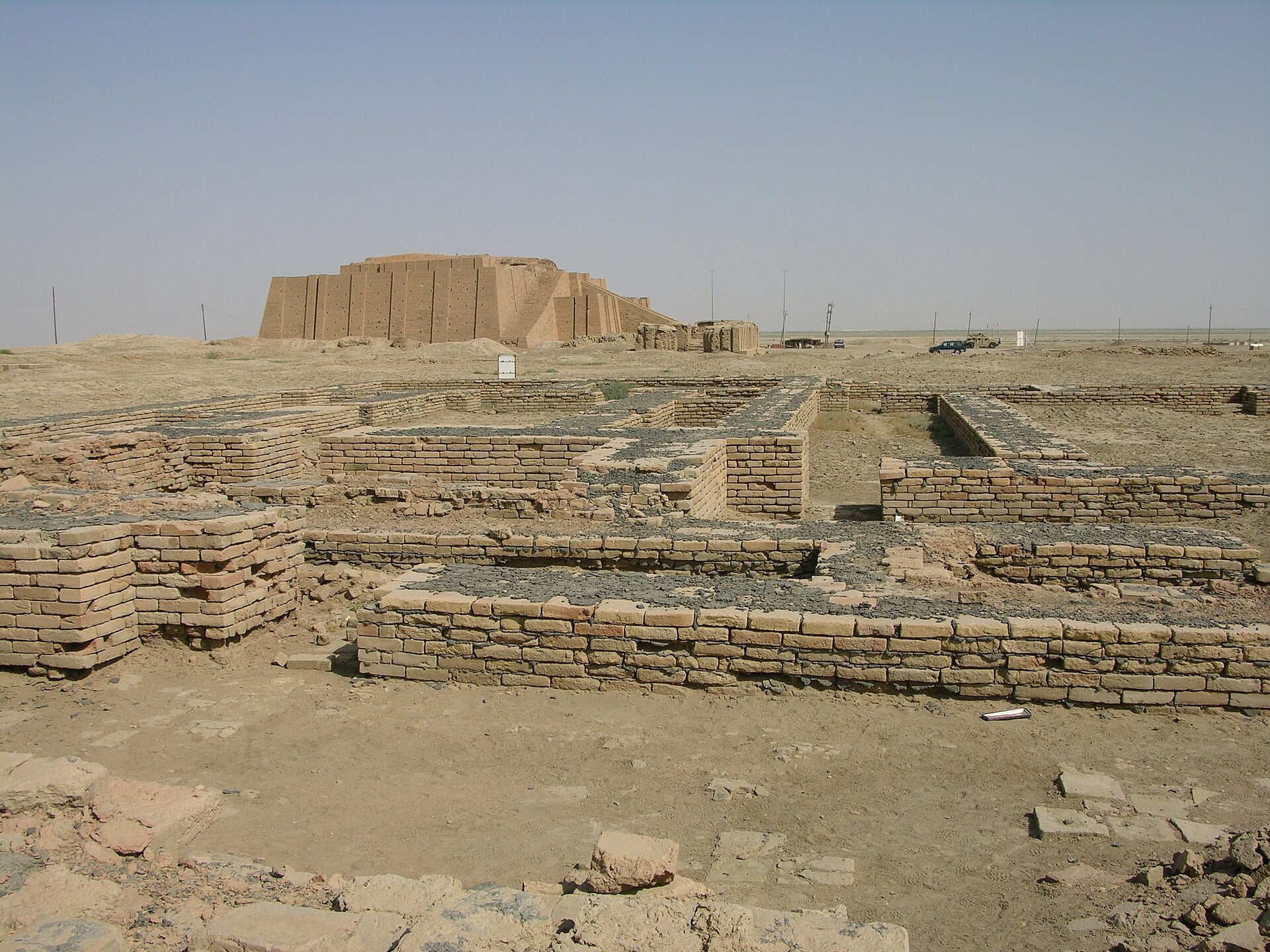
Researchers examined 59 bitumen-based samples recovered from Abu Tbeirah, a major urban center during the third millennium BCE in what is now southern Iraq. The city was part of the wider region of Mesopotamia, where some of the world’s earliest cities emerged.
To study the materials, scientists used high-resolution digital microscopy combined with machine-learning analysis. This non-destructive method allowed them to examine the internal structure of the artifacts, revealing how different components were mixed and distributed.
Bitumen was essential but challenging
Bitumen, a natural petroleum-based substance, played a central role in Sumerian daily life. It sealed boats, waterproofed baskets, bonded tools, and formed blocks for transport and trade. But the material also had limits. It could soften in heat, crack as it aged, or become too sticky to handle.
The research shows that Sumerian craftsmen understood these weaknesses and actively worked to overcome them rather than accepting them.
Crafted formulas tailored to specific uses
Sumerian builders modified bitumen by adding plant-based materials such as straw and reed fibers, along with inorganic substances like mineral powder and fragments of rock or shell. These additives changed how the material behaved, improving flexibility, durability, and strength.
Archaeological analysis reveals distinct types of bitumen-based composites used by Sumerian craftsmen more than 4,000 years ago, highlighting advanced material engineering through controlled mixtures and reuse.
Credit: V. Caruso et al. 2026 / Romano & D’Agostino, 2019 pic.twitter.com/kbV4F7ktLT
— Tom Marvolo Riddle (@tom_riddle2025) February 19, 2026
Image analysis allowed researchers to divide the samples into four main functional groups. Adhesives used to attach flint blades to sickles contained large amounts of plant fibers and very little mineral material. The fibers reinforced the adhesive, increasing flexibility and reducing cracking under repeated use.
Standardized products suggest organized production
Trading ingots showed a different pattern. These standardized blocks had a consistent mix of both vegetal and inorganic additives. Researchers believe they were semi-finished products, prepared in advance for transport and later reheated and adjusted as needed.
Their uniform composition suggests organized production, shared technical knowledge, and possibly specialized workshops.
Mysterious objects point to storage and reuse
Another group consisted of small spherical objects that had long puzzled archaeologists. Analysis revealed a dense structure dominated by mineral material, with minimal plant content. Scientists suggest these objects were likely reserves, formed from leftover processed bitumen and stored for later reuse.
Sealant residues formed the final group. Found on coffins and reed baskets, these samples showed a balanced mix of plant and mineral additives. The combination was well-suited for waterproofing and long-term durability, especially in wet environments.
Recycling and resource management were routine
The study also revealed widespread recycling. Bitumen was valuable and often transported over long distances. Used material was collected, reheated, and reused. When repeated heating made the material brittle, craftsmen adjusted the recipe by adding more fibers or mineral fillers to restore performance.
Ancient engineering echoes modern practice
Researchers say the most striking result is how closely these ancient methods align with modern engineering logic. Today, engineers add fibers and mineral fillers to asphalt to control flexibility, prevent cracking, and slow aging. Faced with the same material constraints, Sumerian craftsmen reached similar solutions through experience and experimentation.
According to the researchers, the findings challenge the idea that advanced technology depends on formal scientific theory. Instead, they show that careful observation and practical knowledge allowed ancient Sumerians to develop durable materials that supported complex urban life for centuries.
In the black bitumen that sealed their boats and bound their tools, Sumerian craftsmen left behind clear evidence of an advanced technological mindset—one that continues to resonate in modern material science.


