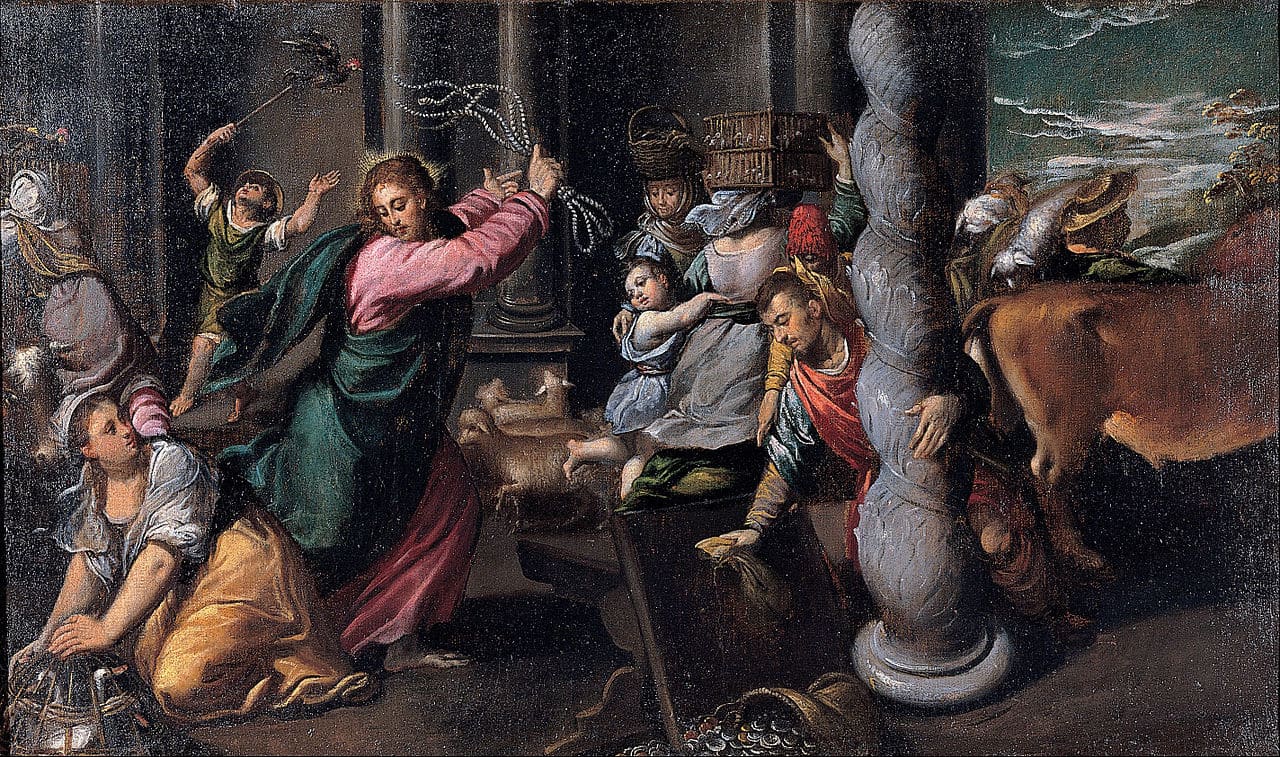
A scene in the New Testament long understood as an act of divine anger — the cleansing of the Temple by Jesus — may instead reflect a moment shaped by human strain, according to a new academic study.
The research, published in the peer-reviewed journal Cogent Arts & Humanities, suggests that hunger, fatigue, and frustration may have influenced Jesus when he overturned the tables of moneychangers at the Temple in Jerusalem ahead of Passover.
The episode, described in all four Gospels, has traditionally been interpreted as an expression of moral or divine wrath. The new study proposes a different reading, one that places the event within the physical and emotional pressures faced by pilgrims in first-century Jerusalem.
A shift from divine focus to human experience
Dr. Haggai Olshanetsky, an Israeli researcher at the University of Warsaw, said scholars have usually explained the incident by focusing almost entirely on Jesus’ divine nature. That approach, he said, leaves several inconsistencies in the Gospel accounts unresolved.
“There are many contradictions in the story,” Olshanetsky said in an interview. “Everyone tried to explain [the incident] only in terms of the divine side. And we decided to look at the other option.”
The researchers conducted a close reading of the Gospel texts alongside ancient Jewish sources and archaeological evidence from Jerusalem. Their conclusion points to a more grounded explanation: Jesus may have reacted as a tired pilgrim under physical strain during one of the most demanding moments of the religious calendar.
Passover pressures in ancient Jerusalem
Passover drew tens of thousands of visitors to Jerusalem each year. Many traveled long distances on foot, often fasting as part of ritual preparation. Food access was limited, and the city was crowded and tense. According to the study, such conditions could heighten emotional responses and reduce patience with frustration.
The Gospel narratives themselves highlight Jesus’ physical state. In the Gospel of Mark, widely regarded as the earliest written account, Jesus arrives in Jerusalem late, surveys the Temple, and leaves without incident.
The following morning, Mark notes that Jesus was hungry. On the way back to the city, he approaches a fig tree expecting food and curses it when it bears no fruit. Only after that episode does Mark describe the confrontation inside the Temple.
For the authors, that sequence is significant. It places hunger and disappointment immediately before the outburst, suggesting that physical stress may have shaped the moment.
Rethinking the role of Temple commerce
The study also challenges assumptions about Temple commerce. Moneychangers and merchants, Olshanetsky said, were essential to the Temple’s operation. Pilgrims arrived with foreign currency that could not be used for Temple payments and needed approved animals for sacrifice.
“The suggestion that [Jesus] did not want them in the Temple is problematic because it’s not really mentioned in the Gospels,” Olshanetsky said.
Notably absent from the Temple scene are priests or senior religious officials. Elsewhere, the Gospels record Jesus openly criticizing religious leaders. Their absence here, the study argues, weakens interpretations that frame the episode as a direct protest against Temple authorities.
Currency confusion and everyday frustration
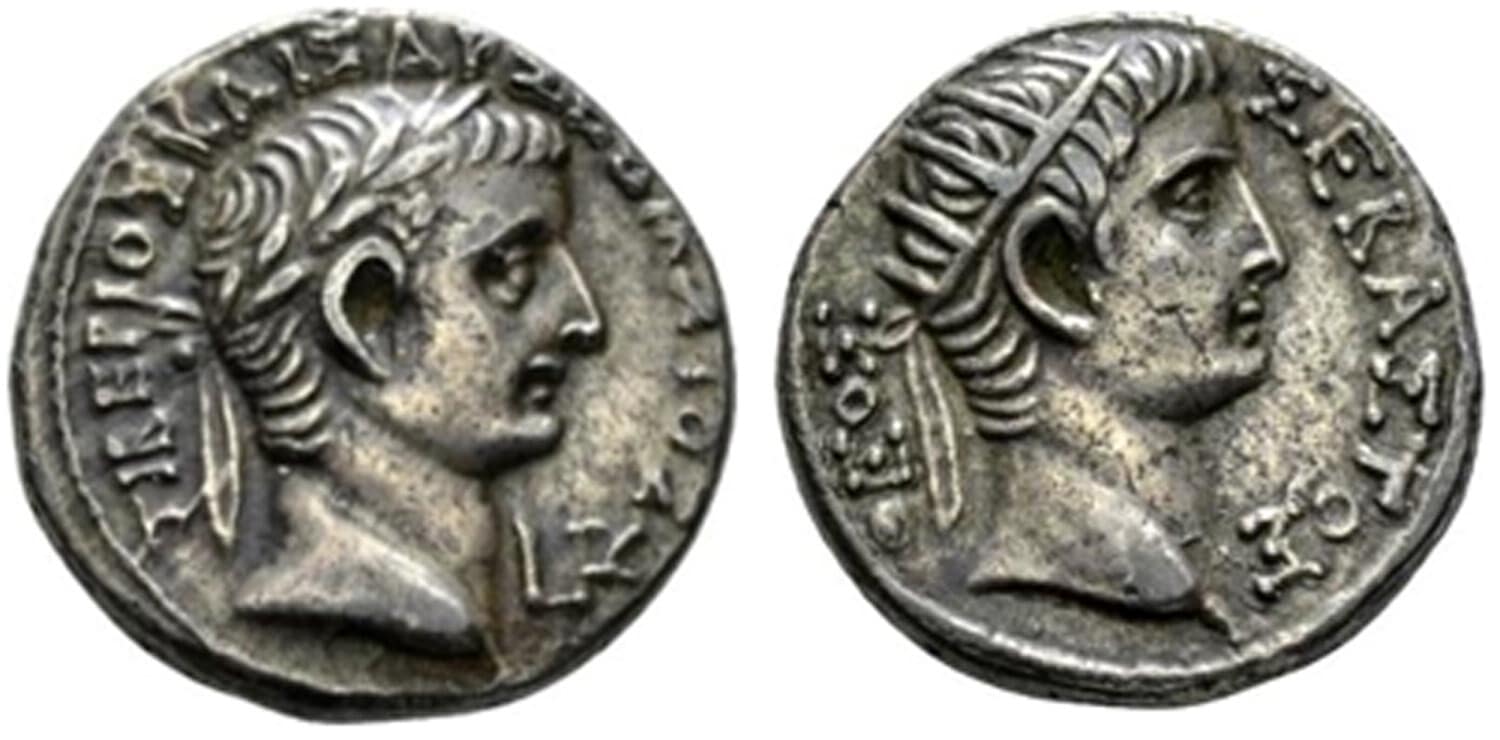
Economic factors may also have played a role. Several silver currencies circulated in Jerusalem, including the Tyrian shekel, Antiochene tetradrachm, and Egyptian billon tetradrachm, which differed sharply in silver content. A traveler unfamiliar with those differences could easily feel cheated during an exchange.
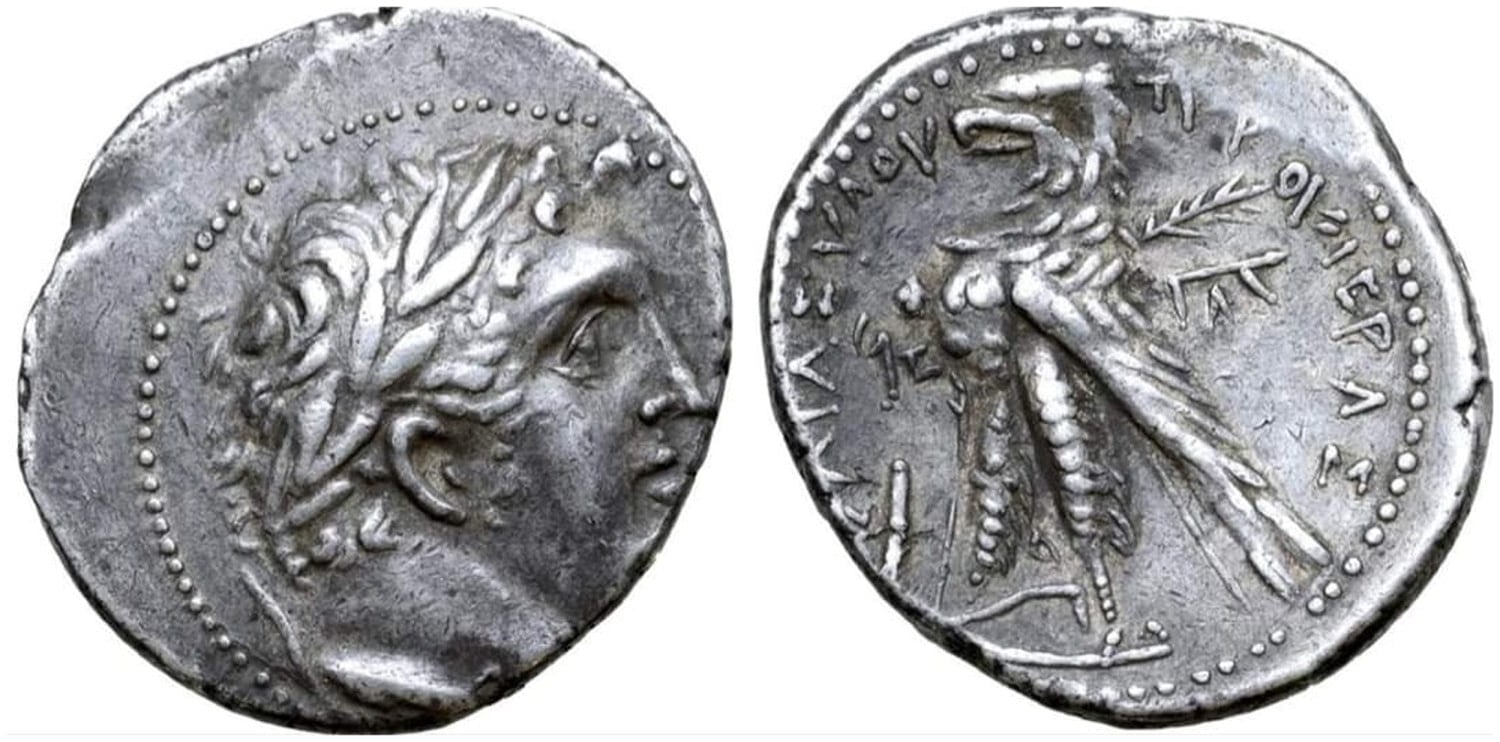
If Jesus received a coin with far less silver than expected, he would have felt wronged, Olshanetsky explained. That scenario, the study suggests, could explain references to “robbers” in the Gospel accounts without implying widespread corruption.
Ancient Jewish texts support this view. The Mishnah, compiled around 200 C.E. from earlier traditions, frequently discusses problems of coin authenticity and valuation, indicating that disputes over money were common. By contrast, those sources say little about inflated prices for sacrificial animals.
Why did the authorities not intervene
The researchers also point to what followed the Temple incident. Despite vivid descriptions in the Gospels, authorities did not intervene immediately. According to the texts, Jesus continued teaching publicly for several days before his arrest.
Olshanetsky argues that this delay suggests the disturbance was limited rather than a serious threat to public order. A major disruption at the Temple during Passover, he said, would likely have prompted swift intervention.
A reading without anti-Jewish framing
For centuries, the Temple episode has been used in Christian tradition as a critique of Jewish leadership, sometimes fueling harmful stereotypes. The study cautions against that reading, emphasizing that Jesus was a Jewish pilgrim practicing Judaism at its central institution. “Jesus was Jewish,” Olshanetsky said. “He never claimed he was starting another religion.”
A human moment in a sacred story
The authors stress that their interpretation does not strip the episode of religious meaning. Instead, it situates the scene within its historical and human context, portraying a moment shaped by belief, environment, and physical limitations. “This is just part of Jesus’s story and life as a normal person in Judea,” Olshanetsky said. “A normal person but also a religious figure.”