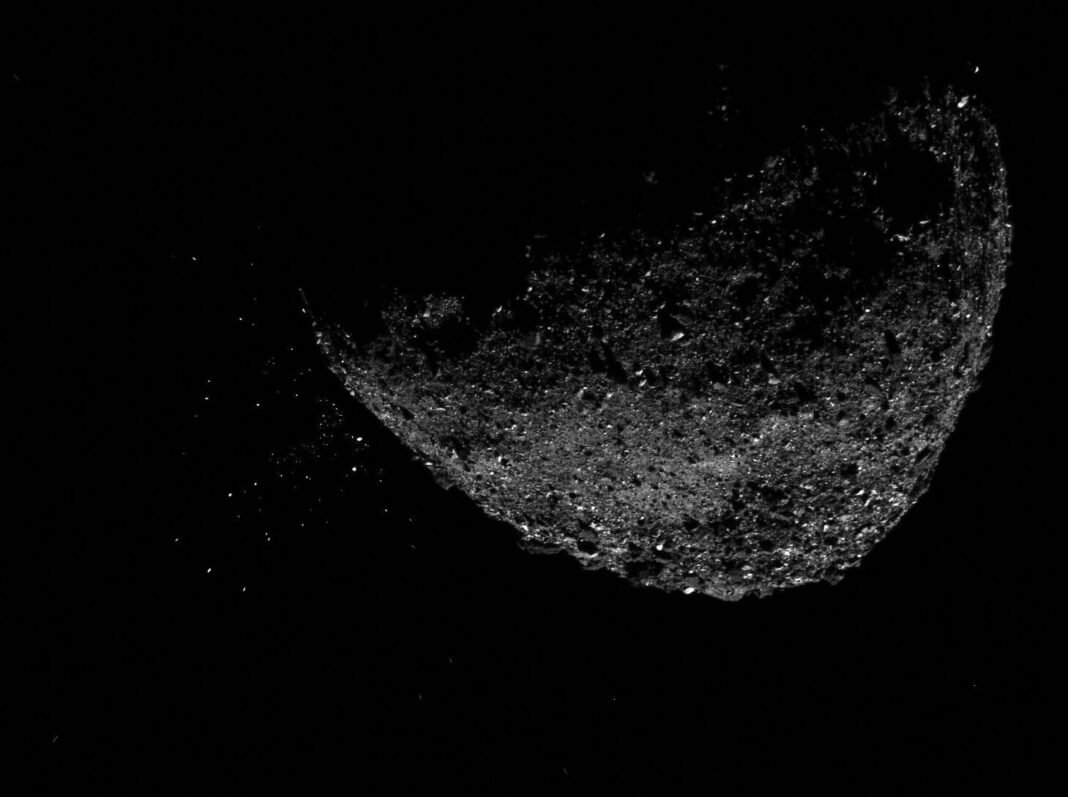
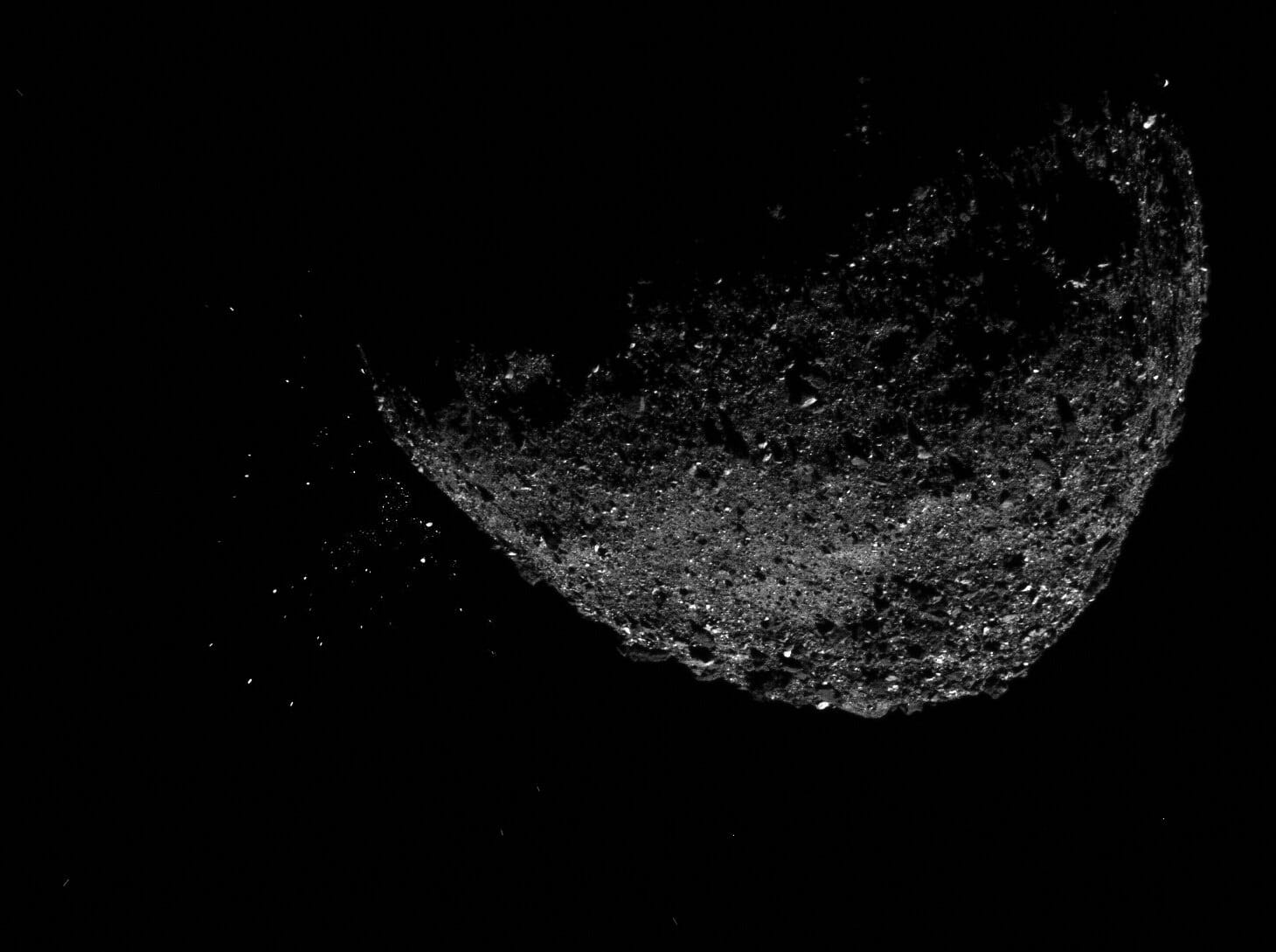
A hidden population of asteroids capable of destroying an entire city remains one of the biggest unresolved threats to Earth, according to NASA, planetary defense experts who say thousands of these objects have yet to be detected.
Kelly Fast, a planetary defense officer at NASA, warned that the most dangerous asteroids are not the massive ones that could end life on Earth. Scientists already know where those objects are and track them closely. Smaller rocks also pose little risk, as most burn up harmlessly in the atmosphere.
The greater concern, Fast said, lies in a middle category that often escapes attention.
The danger of so-called “city killers”
Speaking at a meeting of the American Association for the Advancement of Science in Phoenix, Arizona, Fast said researchers estimate that up to 15,000 near-Earth asteroids remain undiscovered. These objects are large enough to cause catastrophic damage on the ground but small enough to evade current detection systems.
Often referred to as “city killers,” these asteroids typically measure a few hundred feet across. An impact of that size would not trigger a global extinction, but it could flatten a major city, ignite fires, and disrupt infrastructure across a wide region.
“What keeps me up at night is the asteroids we don’t know about,” Fast said, according to reports from the meeting.
Why are many asteroids hard to spot
Fast said these mid-sized asteroids are difficult to detect because of both their size and their position in space. Many travel along paths close to Earth’s orbit around the Sun, where they reflect little sunlight toward Earth-based telescopes.
Even advanced observatories struggle to detect objects approaching from the Sun’s direction, leaving scientists with limited warning if one were headed toward the planet.
A new telescope aims to close the gap
To address that blind spot, scientists are preparing a space-based solution. NASA plans to launch the Near-Earth Object Surveyor next year.
Unlike traditional telescopes that rely on visible light, the mission will search for heat. Asteroids and comets emit thermal energy as they warm in space, making them visible in infrared wavelengths even if they appear dark through optical instruments.
Researchers say the telescope could uncover thousands of previously hidden objects and give authorities years of warning instead of days.
A successful test, but no ready defense
Detection alone, however, does not mean an asteroid can be stopped. In 2022, NASA conducted a landmark planetary defense experiment called DART. The mission deliberately crashed a spacecraft into Dimorphos, a small moon orbiting a larger asteroid, at roughly 14,000 miles per hour.
The impact altered Dimorphos’ orbit, marking the first time humans had intentionally changed the path of a natural object in space. Scientists described the test as a critical proof of concept.
Experts warn preparedness remains limited
Despite the success, experts say the experiment does not mean Earth is ready to deflect a real threat. Nancy Chabot, who led the DART mission and is a planetary scientist at Johns Hopkins University, said a similar response would be difficult to mount against a city-killer asteroid. “We would not have any way to go and actively deflect one right now,” Chabot said.
She said the main obstacle is funding. Space agencies do not keep deflection spacecraft built and ready to launch, leaving little ability to respond quickly if a threat emerges.
A potential warning sign on the horizon
Some scientists believe preparation may be needed sooner than expected. Researchers are monitoring asteroid YR4, which has been tracked since 2024 and currently carries an estimated 4% chance of striking the Moon in 2032.
While the risk to Earth remains low, a lunar impact could create debris and disrupt future missions. Extreme ideas, including nuclear deflection, have been discussed but remain theoretical and untested.
Early detection remains the first line of defense
For now, experts agree on one point: finding dangerous asteroids early is the most realistic defense available. Until detection improves, scientists say, the greatest danger may still come from the objects no one has seen yet.